
So, let's get right to the question I hear most often: how long does it really take to heal leaky gut? While everyone's body is different, you can often start feeling a noticeable difference in as little as 2 to 4 weeks if you're dealing with a mild case. But for the deep, lasting repair of the gut lining, you need to think in terms of months, not weeks. A more realistic timeline for full restoration is anywhere from 3 to 12 months.
It's a marathon, not a sprint.
Your Leaky Gut Healing Timeline Explained
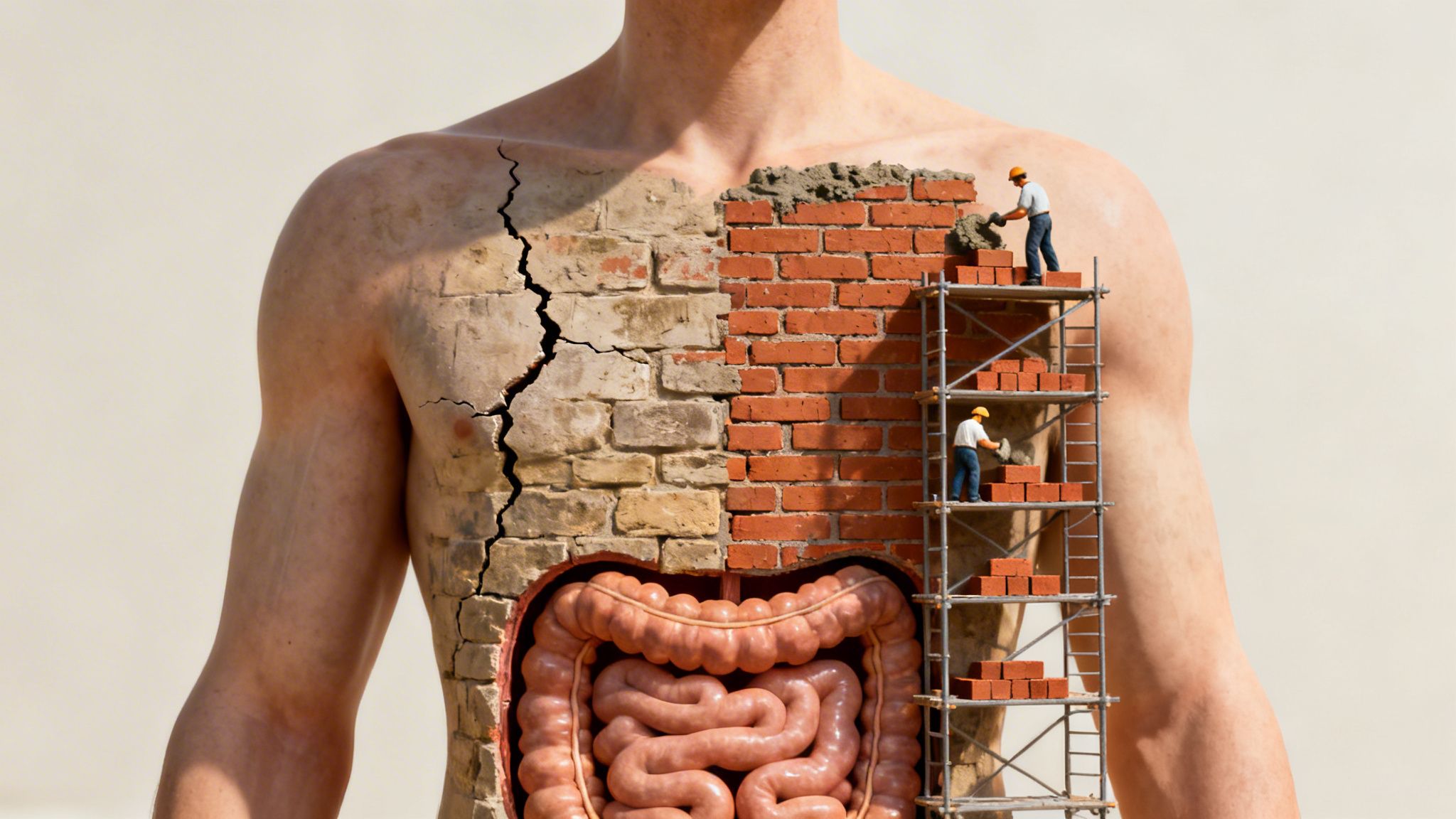
Think of it like renovating an old, beautiful house that's fallen into disrepair. The first few weeks are all about damage control. You're patching the biggest holes in the walls and stopping any more rain from getting in. This is the initial relief phase.
But the real work comes next. Over the following months, you're not just patching; you're rebuilding. You're reinforcing the foundation, rewiring the electrical systems, and making sure the entire structure is solid for decades to come. That’s what’s happening inside your gut—a deep, foundational repair process.
Understanding this journey helps set the right expectations. You'll move from feeling better quickly to building true, long-term gut resilience.
The Stages of Gut Repair
From years of clinical experience, we know that gut healing happens in predictable phases. The most effective approach, often championed in functional medicine, is a structured one. You can't just throw supplements at the problem and hope for the best.
First, you have to remove the triggers and calm the irritation. Then, you can focus on repairing the gut lining itself, rebalancing the microbiome with beneficial microbes, and finally, maintaining that hard-won health. The experts at S.I.E.M. Medical provide a great overview of this four-step gut-healing process.
The journey can be broken down into three core phases: Relief, Repair, and Rebalance.
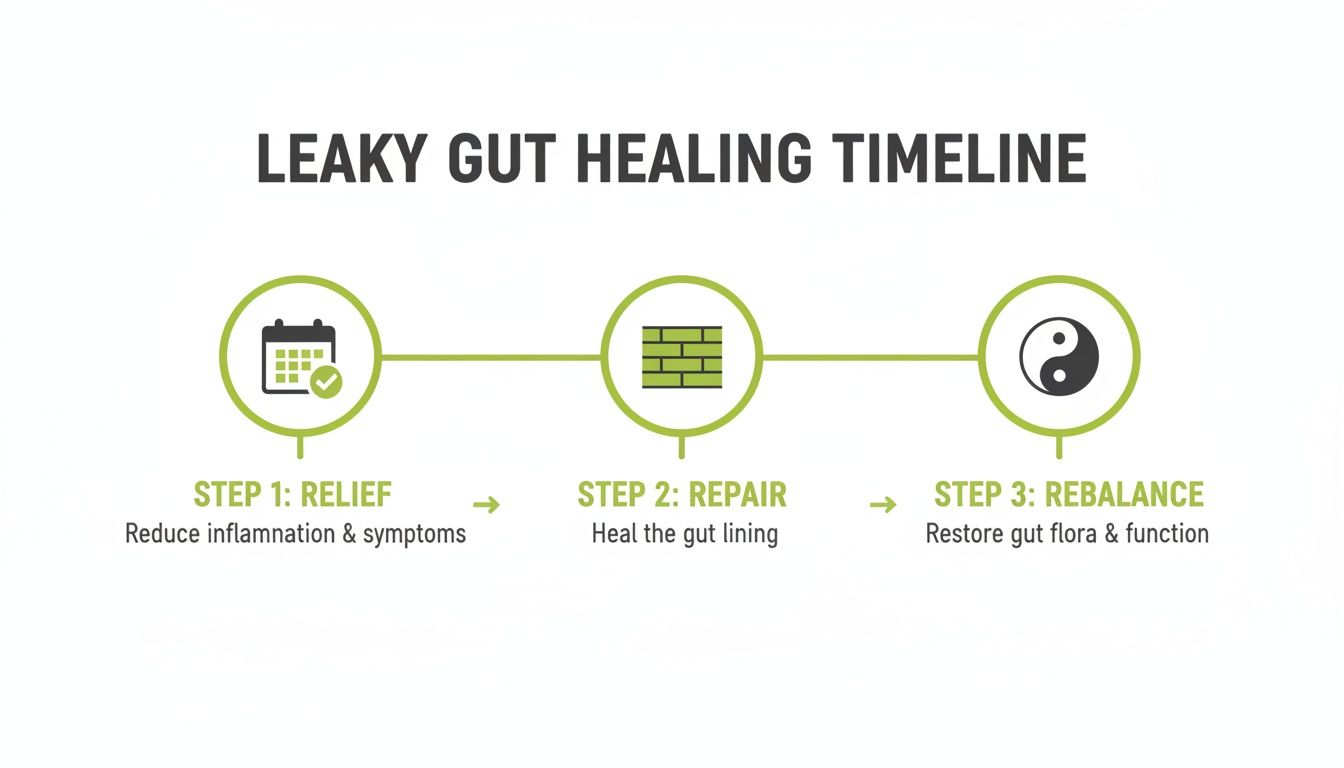
As you can see, healing is a progressive journey. Each stage builds on the one before it, moving you toward sustainable gut health. The first phase focuses on putting out the fire—relieving symptoms. But true healing requires patience as you transition into the deeper, structural work of the Repair and Rebalance phases.
To give you a clearer picture, let's break down what to expect during each stage.
Leaky Gut Healing Phases at a Glance
This table outlines the typical stages you'll move through, from initial symptom relief to full gut restoration. Remember, these are estimates—your personal timeline will depend on the unique factors we'll discuss next.
| Healing Phase | Estimated Timeline | Primary Goal and Key Actions |
|---|---|---|
| Phase 1: Relief | 2–4 Weeks | Goal: Reduce inflammation and calm symptoms. Actions: Remove trigger foods, start a gut-friendly diet, manage stress. |
| Phase 2: Repair | 1–6 Months | Goal: Rebuild the gut lining. Actions: Introduce gut-healing nutrients (like L-glutamine), support digestion. |
| Phase 3: Rebalance | 3–12+ Months | Goal: Restore a healthy microbiome and achieve long-term resilience. Actions: Add probiotics and prebiotics, diversify diet. |
Seeing the process laid out like this makes it feel much more manageable. It's a step-by-step path, and as long as you're consistent, you will make progress. The key is understanding what influences the speed of that progress.
What Is Leaky Gut, Really? A Look at the Root Causes

Before we can talk about healing timelines, we need to get on the same page about what we're actually trying to fix. You’ve likely heard the term "leaky gut," but the clinical name is increased intestinal permeability. Honestly, "leaky gut" does a better job of painting the picture. At its core, this isn't some vague, mysterious illness—it's a mechanical problem.
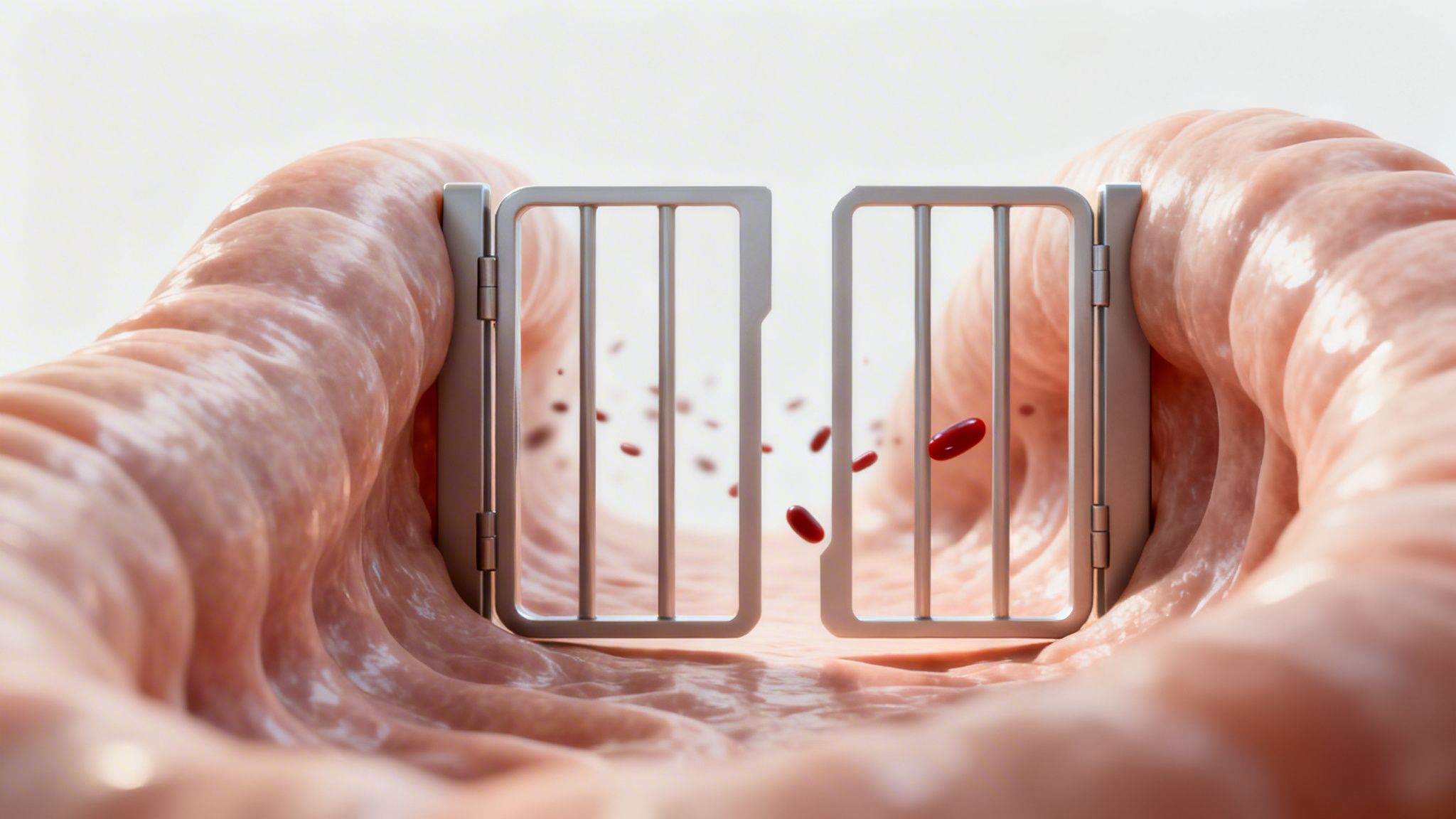
Think of your intestinal lining as a meticulously controlled border crossing. It's a single layer of specialized cells, all bound together by protein structures called "tight junctions." Their job is to be selectively permeable, which is a fancy way of saying they act as gatekeepers. They let the good stuff, like fully digested nutrients, pass into your bloodstream while keeping the bad stuff—toxins, pathogens, and undigested food particles—safely contained within the gut.
When these tight junctions are healthy and strong, the system works beautifully. But in a leaky gut, those junctions become damaged and loose. This creates gaps, allowing unwanted substances to "leak" into your circulation where they absolutely don't belong. Your immune system, ever vigilant, spots these invaders and mounts a full-scale defensive response, leading to chronic, body-wide inflammation.
How a Leaky Gut Makes You Feel Sick
This constant state of immune activation is the direct link between a problem in your gut and the symptoms you feel all over your body. It's your body's alarm system blaring because foreign agents have breached the perimeter.
This is exactly why leaky gut is implicated in a whole host of health issues that, on the surface, seem completely disconnected from your digestion.
- Digestive Distress: This is the most obvious one. Bloating, gas, and unpredictable bowel habits are common as the gut environment becomes chaotic.
- New Food Sensitivities: When large, undigested food proteins sneak into the bloodstream, your immune system can mistakenly tag them as hostile threats, creating new sensitivities to foods you used to eat without a problem.
- Brain Fog and Fatigue: Inflammatory messengers, known as cytokines, can travel through the blood and cross the blood-brain barrier. This directly impacts cognitive function and can leave you feeling drained and mentally fuzzy.
- Skin Problems: Your skin is often a mirror of your internal health. The systemic inflammation from a leaky gut can manifest outwardly as conditions like acne, eczema, or rosacea.
"A one-size-fits-all protocol doesn't work because the root causes are so varied. For one person, it's stress-induced; for another, it's a hidden gut infection. You have to be a detective and find out why the gut is leaky in the first place."
- Dr. Alena K, Functional Medicine Practitioner
This observation from recent research on the gut-lung connection perfectly illustrates how an imbalanced gut can wreak havoc everywhere. When your beneficial bacteria are outnumbered, your immune system can get stuck in "attack mode," fueling a cycle of chronic inflammation that shows up in unexpected ways.
The Common Culprits Behind the Damage
Now for the most important part of any healing strategy: understanding what's causing the damage in the first place. You can’t rebuild a wall while someone is still taking a sledgehammer to it. Identifying and removing these triggers is the essential first step toward lasting repair.
The main offenders are often part of our daily lives:
- Diet: A modern diet loaded with processed foods, sugar, and industrial seed oils is a recipe for inflammation. At the same time, a diet lacking in fiber starves the good gut bugs that produce compounds essential for a healthy gut lining.
- Chronic Stress: It's not just in your head. High levels of the stress hormone cortisol have been scientifically shown to weaken and degrade the tight junctions holding your gut wall together.
- Certain Medications: Common over-the-counter NSAIDs (like ibuprofen), antibiotics, and even acid-blocking drugs can disrupt the delicate gut microbiome and directly irritate the intestinal lining.
- Infections and Dysbiosis: An underlying imbalance of gut microbes (dysbiosis) or a chronic, low-grade infection from parasites, yeast (like Candida), or bacteria can cause direct and persistent damage to the gut wall.
Pinpointing these triggers is your single most powerful move. When you remove the sources of the assault, you finally give your body the breathing room it needs to kickstart its own incredible, natural repair processes.
The 7 Best Supplements for Healing Leaky Gut in 2026
While diet and lifestyle are non-negotiable foundations for healing a leaky gut, the right supplements can act as powerful accelerators, speeding up the repair process. The market is saturated with options, making it tough to know what actually works. But from my experience, a handful of ingredients stand out, backed by solid science for their ability to calm inflammation and rebuild the gut wall.
Let's cut through the noise. Here are the 7 supplements I consistently see make the biggest difference, all conveniently available on Amazon. We’ll look at what each one does, review a top-rated product, and weigh its pros and cons so you can choose what’s right for you. Think of these as a specialized construction crew, each with a critical job in renovating your gut.
1. L-Glutamine: The Gut Wall Rebuilder
L-Glutamine is the single most important amino acid for your intestinal lining. In fact, the cells that make up your gut wall use it as their primary fuel source. When you’re dealing with leaky gut, those cells are damaged and struggling. Giving them an abundant supply of L-glutamine is like giving a bricklayer a full pallet of bricks—it provides the raw materials they need to patch up the gaps and regenerate much faster.
Review from a User: "After just two weeks of taking L-Glutamine powder daily, the constant bloating I've suffered from for years is almost gone. It's a game-changer." – Sarah J.
Product Review
Nutricost L-Glutamine Powder (1KG, Unflavored)
This is a straightforward, no-frills L-glutamine powder that gets the job done. It mixes easily into water or a smoothie, making it incredibly simple to add to your daily routine.
Pros:
- High Purity: It’s just pure L-Glutamine without any fillers or junk.
- Cost-Effective: You get a huge tub with a lot of servings, which offers great value for your money.
- Flexible Dosing: As a powder, you can easily adjust the amount you take based on your specific needs.
Cons:
- Requires Mixing: It’s an extra step compared to just popping a capsule.
- Mild Taste: It's unflavored, but some people find it has a slightly noticeable, faintly mineral-like taste.
2. High-Potency Probiotics: The Friendly Security Guards
If L-glutamine provides the bricks, probiotics are the new security team you hire to patrol the neighborhood. These beneficial bacteria are essential for creating a safe and balanced environment. They work by crowding out harmful microbes, producing compounds that reduce inflammation, and signaling the cells of your gut wall to strengthen their connections. A good probiotic is the heart of the "Reinoculate" phase of any gut-healing protocol.
Review from a User: "I've tried a dozen probiotics. This is the first one where I felt a real difference. My digestion is more regular, and my skin has even started clearing up." – Mark T.
Product Review
Physician's Choice 60 Billion Probiotic
This is a powerhouse probiotic that combines 10 well-studied strains with a prebiotic fiber blend to ensure the good guys have food to eat once they arrive.
Pros:
- High CFU Count: With 60 billion CFUs, it delivers a potent dose of beneficial microbes.
- Delayed-Release Capsule: This special capsule protects the bacteria from destructive stomach acid, making sure they get to your intestines alive.
- Includes Prebiotics: The added organic prebiotic fiber helps the new bacteria establish themselves and thrive.
Cons:
- Requires Refrigeration (Recommended): It's shelf-stable, but refrigeration is best for keeping it at full strength.
- Can Cause Initial Bloating: Some people experience temporary gas as their microbiome adjusts. This is usually a sign that it’s working!
3. Zinc-Carnosine: The Soothing Barrier Enhancer
Most people know zinc for its immune benefits, but when you chemically bond it with the amino acid L-Carnosine, it becomes a gut-healing specialist. This unique compound, Zinc-Carnosine, has an incredible ability to stick to the lining of the stomach and intestines. It provides a soothing effect right where you need it and stimulates cell repair directly at the site of inflammation.
Review from a User: "For anyone with that constant burning or irritation, this is a must-try. It feels like it coats and calms my stomach lining in a way nothing else has." – Emily R.
Product Review
Integrative Therapeutics Zinc-Carnosine
This brand uses the exact, clinically studied form of Zinc-Carnosine that has been proven effective in research for its targeted action on the GI tract.
Pros:
- Targeted Relief: It’s specifically designed to support the health of the mucosal lining.
- Clinically Studied: You’re getting the same ingredient form that has been validated in scientific studies.
- Gentle on the Stomach: It’s typically very well-tolerated, unlike some other forms of zinc that can cause nausea.
Cons:
- Specific Function: It’s a specialist. Its main job is mucosal healing, so it’s not an all-in-one supplement.
- Higher Cost Per Dose: This specialized form can be a bit pricier than a standard zinc supplement.
4. Collagen Peptides: The Connective Tissue Support
Your gut lining isn't just a layer of cells; it's a complex structure made of connective tissue. Collagen is the main protein that gives this tissue its strength and integrity. Supplementing with collagen peptides provides the key amino acid building blocks—especially glycine and proline—needed to repair and fortify the entire intestinal wall.
Review from a User: "I add this to my coffee every morning. Not only has my gut felt better, but my hair and nails have never been stronger. It's an amazing all-around benefit." – Jessica L.
Product Review
Vital Proteins Collagen Peptides
Vital Proteins is a giant in the collagen world for a reason. They offer a high-quality, unflavored powder from grass-fed, pasture-raised cows that is incredibly easy to use.
Pros:
- Highly Soluble: It dissolves completely in hot or cold liquids. I put it in my coffee every morning.
- Unflavored and Versatile: You can mix it into coffee, smoothies, oatmeal, or even soups without changing the taste.
- Third-Party Certified: It's NSF certified, which means an independent body has verified its quality and safety.
Cons:
- Not a Complete Protein: It lacks the essential amino acid tryptophan, so don't count on it as your only protein source.
- Premium Price Point: Quality comes at a cost, and this is one of the more expensive collagen brands out there.
5. Digestive Enzymes: The Digestion Assistants
An inflamed gut is an inefficient one. It often struggles to produce enough of its own digestive enzymes, leading to poorly digested food. This undigested food can then ferment, feed the wrong kinds of bacteria, and further irritate your already-sensitive gut lining. A broad-spectrum digestive enzyme supplement acts as a much-needed assistant, helping to break down fats, proteins, and carbs so your gut doesn't have to work so hard.
Review from a User: "Taking one of these before a meal has stopped my post-dinner bloat and gas completely. I feel like I'm finally absorbing my food properly." – David P.
Product Review
Zenwise Digestive Enzymes
This formula is a great example of comprehensive support, combining a wide array of enzymes with a probiotic and prebiotic blend.
Pros:
- Broad-Spectrum Formula: It includes enzymes to tackle all the major food groups.
- Added Probiotics: You get an extra boost of gut support from a 1-billion CFU multi-strain probiotic.
- Reduces Bloating: Many users find it brings almost immediate relief from that uncomfortable post-meal bloating and gas.
Cons:
- Can Create Dependency: If used long-term without breaks, it can signal your body to produce fewer of its own enzymes. It's best used strategically.
- Contains Inulin: This prebiotic is great for many, but it's a FODMAP and can cause gas in some sensitive individuals.
6. Quercetin: The Natural Anti-Inflammatory
Quercetin is a powerful antioxidant flavonoid found in foods like onions, apples, and capers. While it's a great all-around anti-inflammatory, its superpower for leaky gut is its ability to stabilize mast cells. These are the immune cells in your gut that release histamine and other inflammatory chemicals when they get triggered. By calming these cells down, quercetin can directly reduce gut inflammation and help protect your tight junctions.
Review from a User: "My food sensitivities were out of control. Since adding Quercetin, my reactions have calmed down significantly. It feels like my immune system is less on edge." – Chloe B.
Product Review
NOW Supplements Quercetin with Bromelain
This smart formula pairs quercetin with bromelain, a natural enzyme from pineapple that also fights inflammation and, importantly, helps your body absorb the quercetin more effectively.
Pros:
- Synergistic Formula: The bromelain makes the quercetin work even better.
- Potent Antioxidant Support: It helps fight the oxidative stress that drives damage to the gut lining.
- Supports a Healthy Immune Response: It can help calm an overactive immune system and reduce reactivity.
Cons:
- May Interact with Medications: Be sure to talk to your doctor before taking quercetin if you are on blood thinners or other medications.
- Large Capsule Size: The capsules are on the larger side, which can be an issue for some people.
7. Comprehensive Gut-Repair Blend: The All-In-One Solution
If you're feeling overwhelmed by the thought of taking multiple different supplements, a comprehensive gut-repair powder can be a great starting point. These formulas are designed to offer a multi-pronged approach, combining several key ingredients like L-glutamine, zinc, and soothing herbs into a single, convenient scoop. To get the most out of any supplement, especially probiotics, check out our internal guide on the best time to take a probiotic.
Review from a User: "This powder is so convenient. I get L-glutamine and other soothing herbs all in one scoop. It tastes great and has really helped calm my gut." – Olivia W.
Product Review
Terra Origin Healthy Gut
This blend is specifically formulated for gut lining support. It features a solid lineup including L-glutamine, quercetin, N-acetyl-glucosamine, and slippery elm in a tasty powder.
Pros:
- All-In-One Convenience: You get multiple powerful gut-healing ingredients in one easy-to-mix drink.
- Soothing Herbal Blend: It includes herbs like slippery elm and marshmallow root, which are known to coat and soothe the GI tract.
- Good Taste: The flavored options are generally well-liked and easy to drink.
Cons:
- Lower Doses of Each Ingredient: The trade-off for convenience is that you get less of each individual nutrient than if you took them separately.
- Contains Stevia: This natural sweetener is a dealbreaker for some people.
Conclusion: The Winning Product for Most People
While every supplement here has a valuable role to play, if I had to pick just one to start with, the Winning Product for most people beginning their gut-healing journey is the Physician's Choice 60 Billion Probiotic.
Here’s why: rebalancing your microbiome is the foundational step that everything else is built on. A high-quality probiotic actively works to push out bad bacteria, lower inflammation, and signal your gut lining to start repairing itself. Think of it this way: while L-glutamine gives you the bricks, a great probiotic is the foreman on the construction site, organizing the crew and directing the entire project. Its high potency, well-researched strains, and protective delivery system make it the most impactful first investment for the majority of people.
Key Factors That Influence Your Healing Speed
Ever wonder why your friend felt better in a few months, but your own gut-healing journey feels like it's taking forever? Your recovery timeline isn't just a roll of the dice. It’s shaped by a very personal mix of factors that are unique to you and your body.
Think of it this way: you can plant the right seeds (healing foods and supplements), but how well they grow depends entirely on the environment. The quality of your "soil," the amount of stress, and any underlying issues all play a massive role in how quickly you see results. Getting a handle on these variables is the first step to creating a plan that actually works for you.
The Foundation: Your Diet and Lifestyle
Let's be blunt: your diet is the single most important piece of the puzzle. You can't supplement your way out of a diet that's constantly pouring fuel on the fire of inflammation.
Removing trigger foods—like gluten, dairy, sugar, and industrial seed oils—isn't optional. It's the absolute first step. Continuing to eat them is like trying to bail water out of a boat that's still got a huge hole in it. You’ll just keep treading water.
The power of diet isn't just theory. One eye-opening 2005 study on celiac disease, a condition well-known for causing severe intestinal permeability, showed just how big of a difference it can make. After one year on a strict gluten-free diet, an incredible 87% of participants saw their intestinal permeability return to normal. You can explore more about these powerful dietary healing findings.
Of course, it’s not just about what you eat. Other parts of your life are just as critical:
- Chronic Stress: Constant stress floods your body with cortisol, a hormone that directly weakens the tight junctions holding your gut lining together. It's like a wrecking ball to your gut wall.
- Poor Sleep: Your body does its best repair work overnight. If you're not getting enough quality sleep, you're robbing your gut of its prime healing time.
- Medication Use: Frequent use of NSAIDs (like ibuprofen), antibiotics, and even acid-blocking drugs can irritate the gut lining and throw your microbiome out of whack, slowing everything down.
The Severity of Damage and Underlying Conditions
Where you're starting from matters. Someone with mild gut irritation from a few too many processed meals will bounce back much faster than someone with deep, long-standing damage. It's the difference between patching a small crack in the sidewalk and having to repave the entire road.
What's more, leaky gut almost never shows up alone. It's often tangled up with other health problems that you have to address if you want to truly heal.
These other issues are like co-conspirators, making it much harder for your gut to mend itself. Here are a few of the most common ones:
- SIBO (Small Intestinal Bacterial Overgrowth): When large intestine bacteria set up camp in the small intestine, they cause constant bloating, fermentation, and inflammation. This makes it nearly impossible for the gut lining to repair itself.
- Candida Overgrowth: This opportunistic yeast can literally put down roots into your intestinal lining, creating physical holes and keeping the leaky gut cycle going.
- Autoimmune Conditions: In diseases like Crohn's or Hashimoto's, the immune system is stuck in attack mode, often targeting the gut. This makes healing an uphill battle. If you need ways to soothe your system, our guide to natural remedies for digestive issues might offer some help.
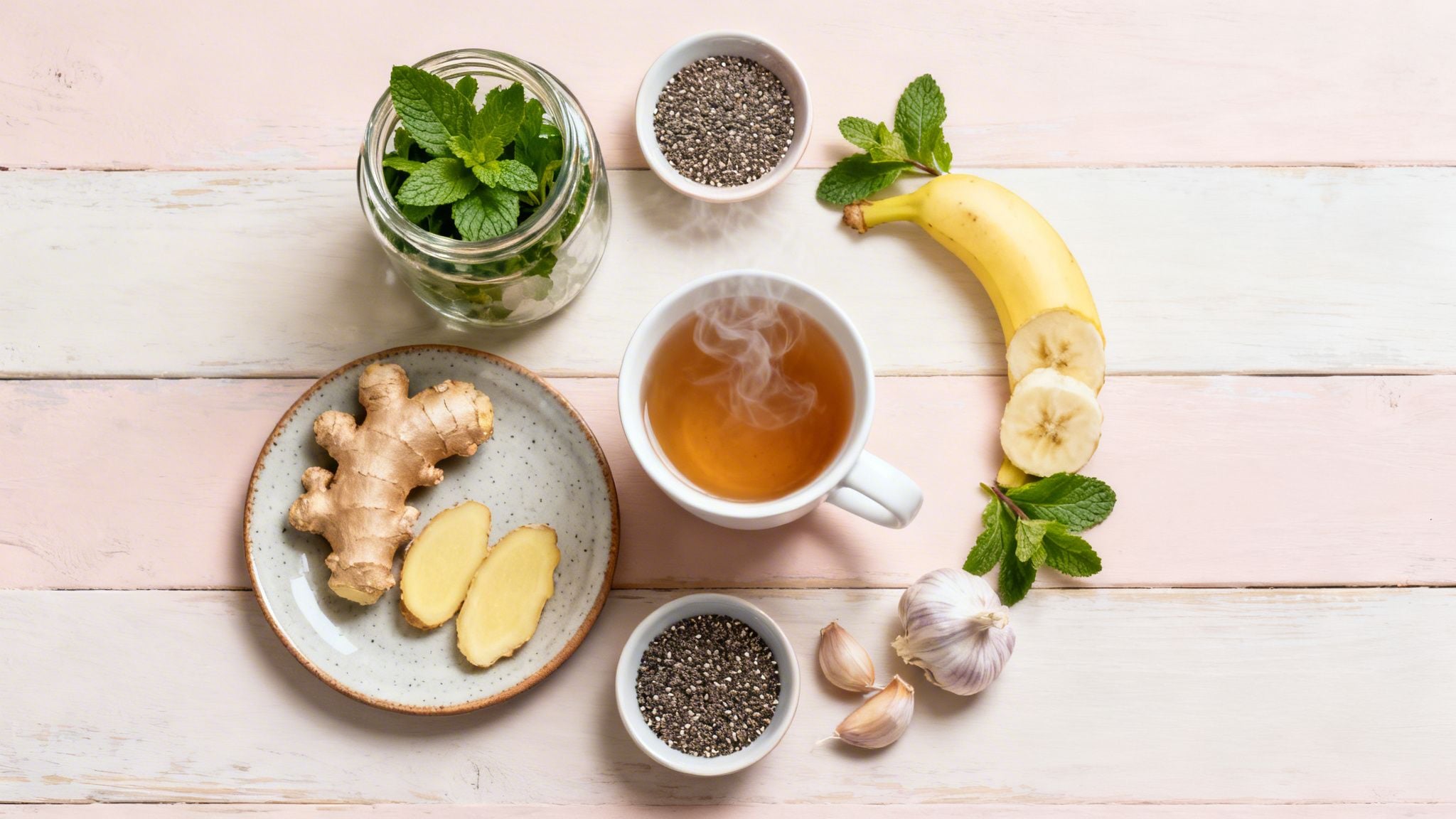
Finally, things like your age and overall health status factor in, too. Younger people tend to have faster cell turnover and more robust healing mechanisms. Taking an honest look at all these factors will help you set a much more realistic timeline and build a smarter, more effective plan.
Your Action Plan for Diet and Lifestyle Changes
Knowing what influences your healing timeline is one thing, but actually putting a plan into action is where the real work begins. The most effective framework I've seen for this is known as the 4R Program: Remove, Replace, Reinoculate, and Repair. It provides a clear, step-by-step roadmap that just makes sense.
Think of it like restoring a neglected garden. You wouldn't just scatter new seeds and hope for the best, right? Not if the soil is choked with weeds and stripped of nutrients. You have to pull the weeds (Remove), add back good soil and compost (Replace and Reinoculate), and only then plant your new seeds (Repair). Each step logically builds on the one before it, creating the right environment for healing to take hold.
Step 1: Remove Triggers
First things first: you have to stop the ongoing assault on your gut lining. This is the most critical step, and it means identifying and taking out the foods and other factors that are actively causing inflammation and damage.
For at least 30-90 days, it’s time to eliminate some common culprits:
- Gluten and Dairy: These two are notorious for triggering food sensitivities that are directly linked to intestinal permeability.
- Processed Foods and Sugar: Think of these as fuel for the "bad" gut bacteria and a major driver of body-wide inflammation.
- Industrial Seed Oils: Oils like canola, soy, and corn are highly inflammatory. Swap them out for healthier fats like extra virgin olive oil, coconut oil, and avocado oil.
This phase is all about creating a clean slate. You're giving your gut a much-needed break from the constant irritation.
Step 2: Replace for Better Digestion
Once you've removed the main troublemakers, the next step is to support your body's ability to properly digest the good food you're eating. An inflamed gut often means sluggish digestive enzyme production, which can lead to bloating, gas, and poorly digested food that only irritates the gut lining further.
This step is about "replacing" what your digestion might be missing. You can do this by:
- Adding Digestive Enzymes: A broad-spectrum enzyme supplement taken with meals can be a game-changer, helping you break down proteins, fats, and carbs much more efficiently.
- Incorporating Apple Cider Vinegar: A teaspoon mixed in a small glass of water before a meal can help support healthy stomach acid levels, which is absolutely essential for proper protein digestion.
Step 3: Reinoculate Your Microbiome
With the gut calmed down and digestion getting some help, it’s time to bring in the good guys. "Reinoculating" simply means repopulating your gut with beneficial bacteria. These helpful microbes are your allies—they protect the gut wall, help crowd out harmful pathogens, and actively work to reduce inflammation.
The goal here is diversity. A healthy microbiome is a diverse one.
- Fermented Foods: Start introducing foods like kimchi, sauerkraut, kefir, and plain, unsweetened yogurt. These are fantastic natural sources of probiotics.
- Probiotic Supplements: A high-quality probiotic can deliver a concentrated dose of specific beneficial strains to help restore microbial balance a bit more quickly.
Step 4: Repair the Gut Lining
This is the final construction phase. Now you provide the specific nutrients your gut cells desperately need to rebuild and strengthen the intestinal wall, tightening up those leaky junctions.
"When the balance of gut bacteria is disrupted—a condition known as dysbiosis—this can trigger immune dysregulation and inflammation throughout the body… restoring a balanced gut microbiome may help regulate immune function and potentially reduce inflammation."
This really drives home why the first three steps are so crucial. You can't effectively repair the wall while it's still under attack. The right nutrients serve as the literal building blocks for a stronger gut barrier.
Excellent sources of these repair nutrients include:
- Bone Broth: It's rich in collagen and amino acids like glycine and proline, which provide the direct raw materials for rebuilding the gut's connective tissue.
- Soluble Fiber: Foods like sweet potatoes, asparagus, and carrots are prebiotics. They feed your beneficial bacteria, which then produce their own powerful gut-healing compounds. For more ideas on what to eat, you can check out this complete gut health diet plan.
When to See a Doctor for Your Gut Health
While many people find tremendous relief by changing their diet and lifestyle, sometimes those efforts just aren't enough on their own. It's crucial to know the difference between the normal ups and downs of a healing journey and a sign that you need a professional's help. How long it takes to heal leaky gut often hinges on whether there's an underlying issue that needs a doctor's diagnosis.
Think of it this way: your body is constantly sending you signals. Mild, fluctuating symptoms can be part of the healing process as your gut adjusts to a new routine. But some symptoms are more like dashboard warning lights—they're "red flags" telling you to pull over and see a professional, like your primary doctor or a gastroenterologist.
Ignoring these can mean delaying the diagnosis of a more serious condition, which will ultimately put your healing on hold. Pay close attention if you experience any of the following.
Red Flag Symptoms That Require Medical Attention
If you feel like you're stuck in a rut or your symptoms are actually getting worse, it's time to call in the experts. Please don't brush these warning signs aside. They could point to a condition that diet and supplements alone simply can't fix.
You should book an appointment with a healthcare provider if you notice:
- Unexplained Weight Loss: If you're losing weight without trying, it could be a sign of malabsorption or another illness that needs to be addressed.
- Severe or Worsening Abdominal Pain: Mild cramping can be expected, but sharp, persistent, or escalating pain is not normal. It needs to be investigated.
- Blood in Your Stool: This is never normal. Whether it’s bright red blood or dark, tarry-looking stools, this requires an immediate medical evaluation to rule out issues like inflammatory bowel disease (IBD) or even colorectal cancer.
- Persistent Symptoms Despite Changes: If you’ve diligently followed a gut-healing plan for several months and seen zero improvement—or you feel even worse—a doctor can help you dig deeper. There could be hidden roadblocks like SIBO, stubborn infections, or an autoimmune condition at play.
"A combination of factors shapes your risk of developing CRC — some within your control and others beyond it… If you experience any of these symptoms, don’t ignore them. Schedule an appointment with your doctor to discuss your concerns."
- Kellie McDonald, PhD, Cancer Research Institute
A Hopeful Outlook on Long-Term Recovery
Even if you do need to see a doctor, the long-term outlook for healing your gut is incredibly positive. Increased intestinal permeability is often a reversible condition. Once you have the right diagnosis and a targeted plan, lasting recovery is absolutely within reach.
The key is to combine professional medical oversight with the same powerful lifestyle strategies you've been learning about. In fact, the research paints a very encouraging picture. For example, in conditions like post-infectious IBS, which often involves leaky gut, at least 50% of people see their symptoms completely resolve within five years. A broad review from the National Institutes of Health confirms that more than half of patients report full symptom resolution five years after their initial diagnosis, offering real hope for long-term recovery. You can read the full research about these positive long-term outcomes.
This statistic highlights a crucial point: your body has an amazing ability to heal. Taking charge of your health means both committing to your daily habits and knowing when to partner with an expert. That partnership is what empowers you to move forward, confident that lasting relief is not just possible, but probable.
Frequently Asked Questions (FAQs)
We’ve gone through a lot of detail about the gut-healing journey. Now, let’s tackle some of the most pressing questions people have when they're starting out.
Can You Really Heal Leaky Gut in 30 Days?
Let's set the record straight: while you can definitely feel a whole lot better in 30 days, a complete, structural heal takes longer. Think of that first month as the emergency response. You're putting out the inflammatory fire by removing the biggest triggers from your diet and lifestyle. The real work—rebuilding the gut wall and restoring microbial balance—is a process that unfolds over several months of consistent effort. The initial symptom relief is a fantastic sign you're on the right track, but it's just the first step.
What Are the First Signs of a Healing Gut?
The first positive changes are often felt rather than seen. You might notice less bloating after meals, more predictable bowel movements, and a surprising lift in your energy levels. Many people also report that their skin starts to clear up and the "brain fog" begins to lift. This happens as your body’s overall inflammatory burden decreases, and it’s a powerful motivator to keep going.
Do I Have to Take Supplements Forever?
In most cases, no. The goal is to build a resilient gut, not to create a lifelong dependency on supplements. They are powerful tools, especially during the active repair phase when your body has a high demand for specific nutrients to rebuild the gut lining. Once your gut is functioning well and you’ve dialed in your diet, you should be able to maintain your health with whole foods, fermented products, and smart lifestyle choices.
Which is Better: An All-in-One Powder or Separate Supplements?
It depends on your goals and budget. All-in-one powders like Terra Origin Healthy Gut are incredibly convenient and are a great starting point if you're feeling overwhelmed. However, buying supplements like Nutricost L-Glutamine and Physician's Choice Probiotic separately allows you to take higher, more therapeutic doses of each key ingredient, which may speed up your healing.
How Do I Know if My Leaky Gut Is Getting Better?
You'll know it's working when your symptoms start to improve consistently. Look for reduced bloating, less digestive discomfort, higher energy levels, clearer skin, and fewer food reactions. You might also notice you can reintroduce some foods that used to bother you without a negative reaction. This is a clear sign your gut lining is becoming stronger and more resilient.
At Healthy Gut Review, our mission is to provide clear, evidence-based guidance for your digestive wellness. We encourage you to explore our in-depth articles and reviews to make informed choices on your journey to better gut health. Find out more at https://healthygutreview.com.