

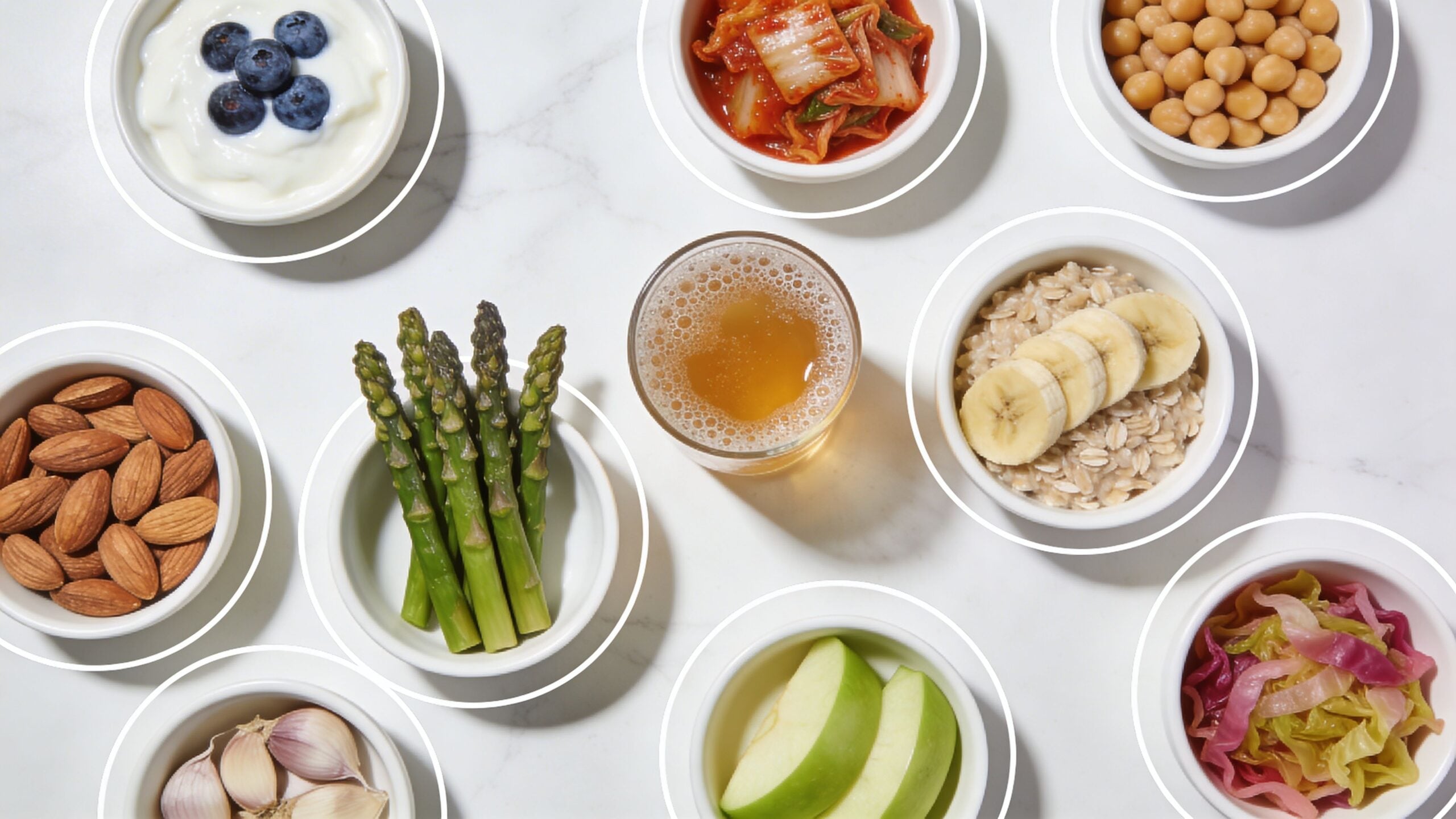
Your gut does far more than digest lunch. It helps regulate immune activity, shapes how comfortably you tolerate food, and affects how steady or chaotic your digestion feels day to day. The gut also houses over 100 trillion microbes that influence digestion, immunity, and even mental health, according to Healthline’s overview of gut-friendly foods. When that ecosystem is well-fed, people usually notice the basics first: less bloating, more regular bowel movements, and fewer “why does every meal upset my stomach?” days.
That’s why the top 10 foods for gut health matter so much. Not because any single food is magic, but because certain foods consistently do two jobs well. They either add beneficial microbes, or they feed the microbes you already have.
This guide stays practical. You’ll get the foods that tend to work best, the trade-offs nobody mentions, easy ways to use them, and Amazon-friendly product ideas you can search for if you want a convenient starting point. I’m not treating these like miracle products. Some are strong for probiotics. Some are better for fiber. Some are easy on sensitive stomachs, while others can trigger gas if you overdo them.
If you’re bloated, dealing with inconsistent digestion, or trying to rebuild your routine after too many processed meals, start with food first. That’s usually where the best long-term wins happen.
1. Fermented Vegetables
Fermented vegetables deserve a spot near the top because they give you both live microbes and fiber from the vegetables themselves. Sauerkraut is the simplest example, and it’s one of the strongest gut-food staples available. Healthline notes that sauerkraut is rich in probiotics and fiber, and that fresh versions retain more vitamin C than pasteurized ones, which is why refrigerated, unprocessed options are the better pick when you want gut benefits from this food.
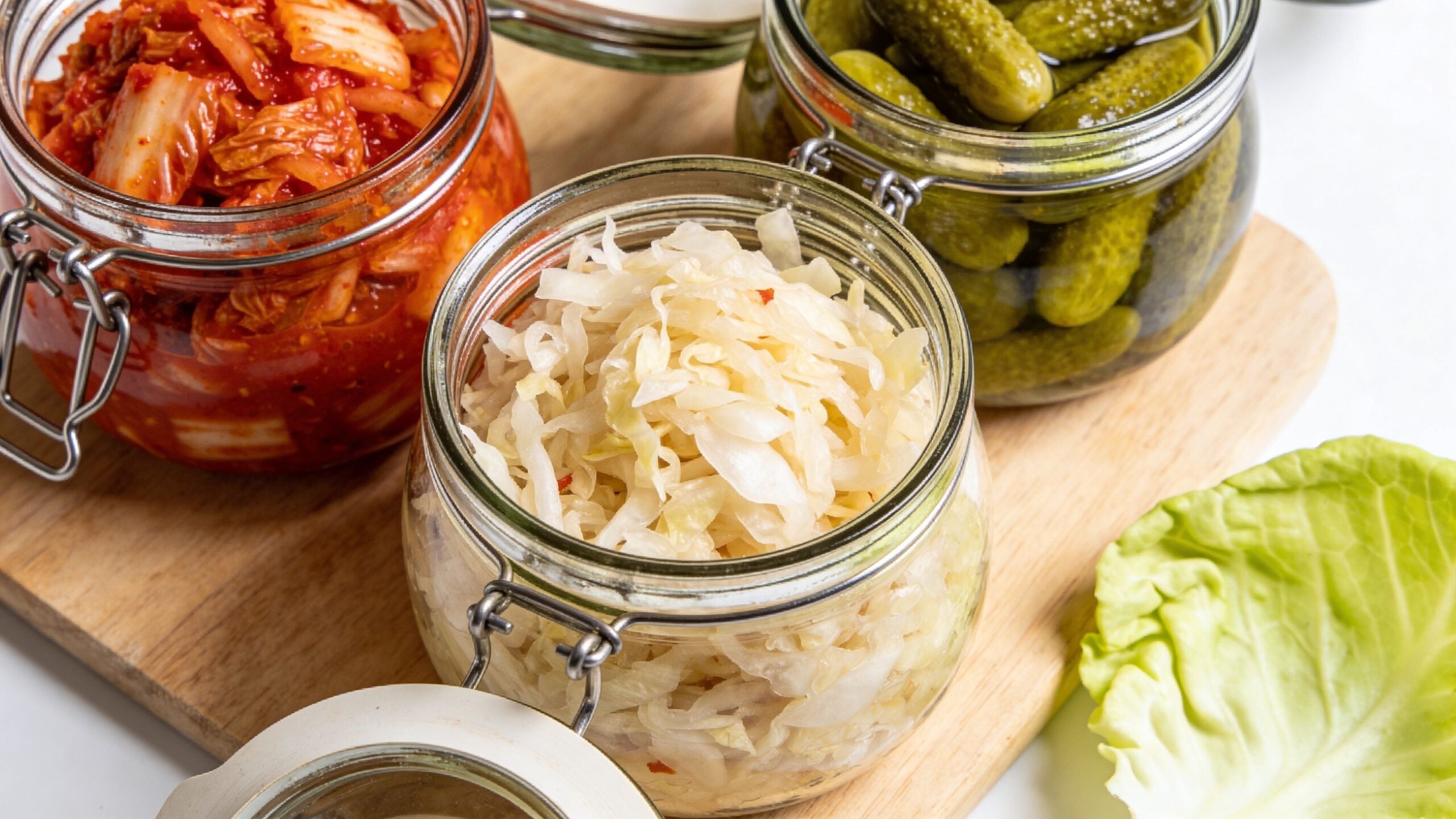
A practical Amazon search example would be refrigerated, unpasteurized sauerkraut or kimchi from brands that clearly state “live cultures” on the jar. Shelf-stable jars can still taste good, but they often won’t deliver the same probiotic value.
What works and what doesn’t
What works is small, consistent servings. Sauerkraut is commonly recommended in modest daily amounts, around 1 to 2 tablespoons, and that’s plenty for most beginners. More isn’t always better. A large serving on day one can leave you feeling more bloated than helped.
What doesn’t work is assuming all pickled vegetables are fermented. Vinegar pickles are not the same thing.
Practical rule: Buy fermented vegetables from the refrigerated section when possible, and look for “raw,” “unpasteurized,” or “live cultures.”
A useful pairing is fermented vegetables plus a prebiotic food. That gives the bacteria something to feed on. If you want a basic support strategy, combine sauerkraut with eggs and potatoes, or kimchi with rice and cooked greens.
For readers also comparing food and supplements, this guide on best time to take a probiotic helps frame when fermented foods fit best into a daily routine.
Pros and cons
- Pros: Whole-food source of probiotics, easy to add to meals, low sugar, useful for sluggish digestion.
- Cons: High salt can be a problem for some people, flavor can be intense, too much too fast often causes gas.
A simple use case is adding a forkful to grain bowls, sandwiches, or alongside roasted meat. It’s not glamorous, but it works.
A short visual guide can help if you’re new to using these foods at home.
2. Ground Flaxseeds
Ground flaxseeds are one of the easiest prebiotic upgrades you can make. They don’t bring the “live culture” appeal of kefir or sauerkraut, but they’re steady, useful, and much easier for many people to tolerate.
The key word is ground. Whole flaxseeds often pass through the digestive tract with limited benefit. Ground flax mixes into food and gives your gut bacteria fermentable material to work with.
Best real-world uses
Flax is at its best when you hide it in foods you already eat:
- Smoothies: Blend it into a berry smoothie.
- Breakfast bowls: Stir it into oatmeal or plain yogurt.
- Baking: Mix it into pancakes, muffins, or overnight oats.
If you’re buying through Amazon, look for plain organic ground flaxseed meal, or buy whole seeds and grind them yourself. Freshly ground usually tastes better and keeps its texture longer.
The main mistake is taking too much too early. Start with a small spoonful and increase gradually. Also drink water with it. Fiber without enough fluid often backfires.
Ground flax is one of the few gut-friendly foods that’s cheap, flexible, and easy to use every day without getting tired of it.
Pros and cons
- Pros: Gentle way to add fiber, easy to mix into meals, budget-friendly, helpful for regularity.
- Cons: Can cause bloating if introduced too quickly, turns rancid if stored poorly, whole seeds aren’t as useful as ground.
Storage matters more than people think. Once ground, flax should stay cool. That’s why I prefer smaller bags over oversized ones that sit in the pantry too long.
If you want to compare forms before buying, this image guide on whole flaxseeds and flaxseeds is a useful visual reference.
For beginners, the easiest formula is simple: one spoonful in breakfast, daily, without trying to turn it into a wellness ritual.
3. Bone Broth
Bone broth is popular for gut health because it’s easy to digest, soothing when appetite is low, and simple to use during periods when heavier foods feel like too much. A warm mug of broth can be helpful when someone is recovering from a stomach bug, a stressful stretch, or a run of meals that left them feeling inflamed and overfull.
That said, this is also where hype gets ahead of evidence. Bone broth can be a practical food. It isn’t a cure-all.
Where bone broth fits
It works best as a supportive food, not the centerpiece of your gut strategy. If someone is eating no fiber, very few plants, and lots of ultra-processed food, broth won’t fix that. But it can be useful in these situations:
- Low-appetite days: Warm, savory, and easy to sip.
- Simple meal building: Use it as a base for soups with vegetables and rice.
- Gentle digestion: Helpful when raw foods feel harsh.
Amazon examples include shelf-stable chicken bone broth, beef bone broth, and powdered broth mixes. If you buy packaged broth, ingredient quality matters. A shorter ingredient list is usually the better sign.
Pros and cons
- Pros: Easy to digest, convenient, comforting, useful when the gut feels irritated.
- Cons: Often overpriced, not a substitute for fiber-rich foods, many commercial versions are heavy on sodium and light on substance.
The “best” version is often the one you will use. If homemade broth isn’t realistic, a reliable boxed option is fine. The stronger strategy is to use it as a base for a real meal. Add cooked carrots, shredded chicken, rice, and greens. That turns broth from a wellness accessory into actual nourishment.
A lot of people expect dramatic changes from broth alone and end up disappointed. That’s because gut health usually improves through diversity. Broth can support the plan, but it shouldn’t be the plan.
4. Prebiotic-Rich Vegetables
If fermented foods add microbes, prebiotic vegetables feed them. This group includes asparagus, garlic, onions, and leeks. They’re not trendy, but they’re foundational.
For many people, these vegetables do more for long-term gut resilience than expensive specialty products. The catch is tolerance. If you have IBS-type symptoms or you’re sensitive to FODMAPs, garlic and onion can trigger bloating fast.
How to make them work
The best starting point is cooked, not raw. Roasted onions are easier for many people than raw onion in a salad. Soft cooked leeks often go down better than a huge portion of garlic-heavy food.
A few easy meal ideas:
- Roasted asparagus with olive oil
- Soup bases with onion and leek
- Cooked garlic mixed into rice, beans, or vegetables
These foods are common enough that you don’t need a special Amazon product to get benefits, though pantry items like dried garlic granules or shelf-stable asparagus jars can help with convenience.
If prebiotic vegetables make you gassy, don’t assume they’re bad for you. More often, you started with too much.
Pros and cons
- Pros: Feed beneficial bacteria, widely available, easy to include in normal meals, support microbial diversity.
- Cons: Can trigger bloating in sensitive people, raw forms are tougher for many guts, benefits build slowly rather than dramatically.
This is one place where patience matters. People often quit after one uncomfortable meal. A better approach is to cut the portion, cook the vegetables well, and retry later. Most guts do better with gradual exposure than with an all-or-nothing jump.
If your digestion is sensitive, pair these vegetables with softer foods such as rice, soup, or eggs instead of a giant raw salad. That simple change often makes the difference between “gut healthy” in theory and tolerable in real life.
5. Kefir
If I had to choose one food for pure probiotic impact, kefir would be close to the top. It’s one of the most practical fermented foods because it’s easy to consume consistently. No prep, no cooking, no effort beyond pouring a glass.
It also stands out for microbial diversity. That’s the biggest advantage it has over many other gut foods.
Why kefir often works so well
Kefir is especially useful for people who won’t eat sauerkraut or kimchi every day. A plain, unsweetened kefir can slide into breakfast, smoothies, or a quick snack without much friction.
When you shop Amazon Fresh or search for shelf-stable starter cultures, prioritize plain versions. Flavored kefirs often come with enough added sweetness to make them less attractive as an everyday gut food.
One practical comparison matters here. GoodRx highlights spirulina as an underserved gut-health option and raises a useful point for non-dairy users: its gut-health discussion contrasts spirulina with yogurt for people who don’t tolerate dairy well. That doesn’t make kefir wrong. It just means dairy tolerance matters. If milk-based kefir bloats you, a non-dairy fermented option may fit better.
Pros and cons
- Pros: Easy probiotic habit, simple to drink daily, versatile in smoothies, stronger practical compliance than many fermented foods.
- Cons: Dairy can be an issue, sweetened versions aren’t ideal, too much at once can upset a sensitive stomach.
Start with a small glass, not a large bottle. Your gut cares more about consistency than enthusiasm.
A useful companion read for supplement comparisons is this guide to best probiotics for women, especially if you’re trying to decide whether food alone is enough.
For a real-world routine, kefir plus berries is hard to beat. It’s quick, filling, and much more sustainable than complicated gut-health recipes that are often abandoned after a week.
6. Wild-Caught Fatty Fish
Gut health isn’t only about probiotics and fiber. Inflammation matters too. That’s where wild-caught fatty fish earns its place.
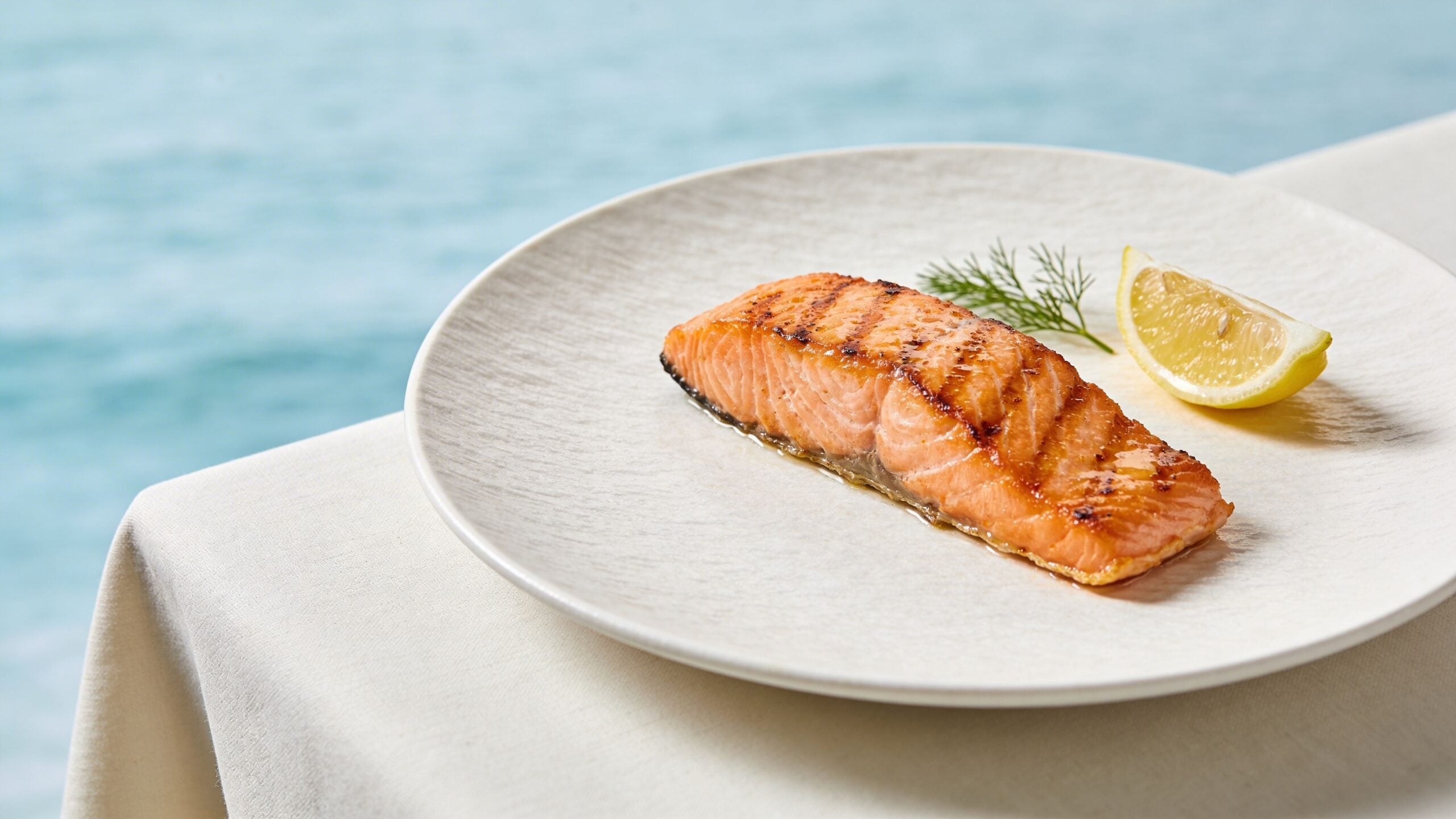
Salmon, sardines, and mackerel support gut health indirectly by helping calm inflammatory stress and supporting the intestinal barrier. For some people, that route matters more than chasing another fermented food.
Best forms to buy
Fresh fish is great when you’ll cook it. Real life often favors canned options. Amazon is especially useful for canned wild salmon, sardines in olive oil, and tinned mackerel.
Here’s what usually works best:
- Salmon: Easy entry point if you dislike stronger fish.
- Sardines: Budget-friendly and nutrient-dense, but more polarizing.
- Mackerel: Rich and flavorful, though not everyone likes the taste.
The worst approach is buying fish because it’s “healthy” and then avoiding it because you hate it. Compliance beats theory.
Pros and cons
- Pros: Strong anti-inflammatory support, satisfying protein source, easy to buy canned, useful for people who don’t tolerate dairy ferments.
- Cons: Taste can be a barrier, quality varies, some products are heavily salted or packed with unnecessary sauces.
A practical meal is canned salmon mixed with olive oil, lemon, and herbs over rice or potatoes. Another is sardines on toast with cooked greens. Simple meals like that are far more realistic than elaborate wellness recipes.
For readers who don’t respond well to a lot of raw fiber, fish can be a smart anchor food. It gives structure to the diet while you add gentler gut-supportive foods around it.
7. Polyphenol-Rich Berries
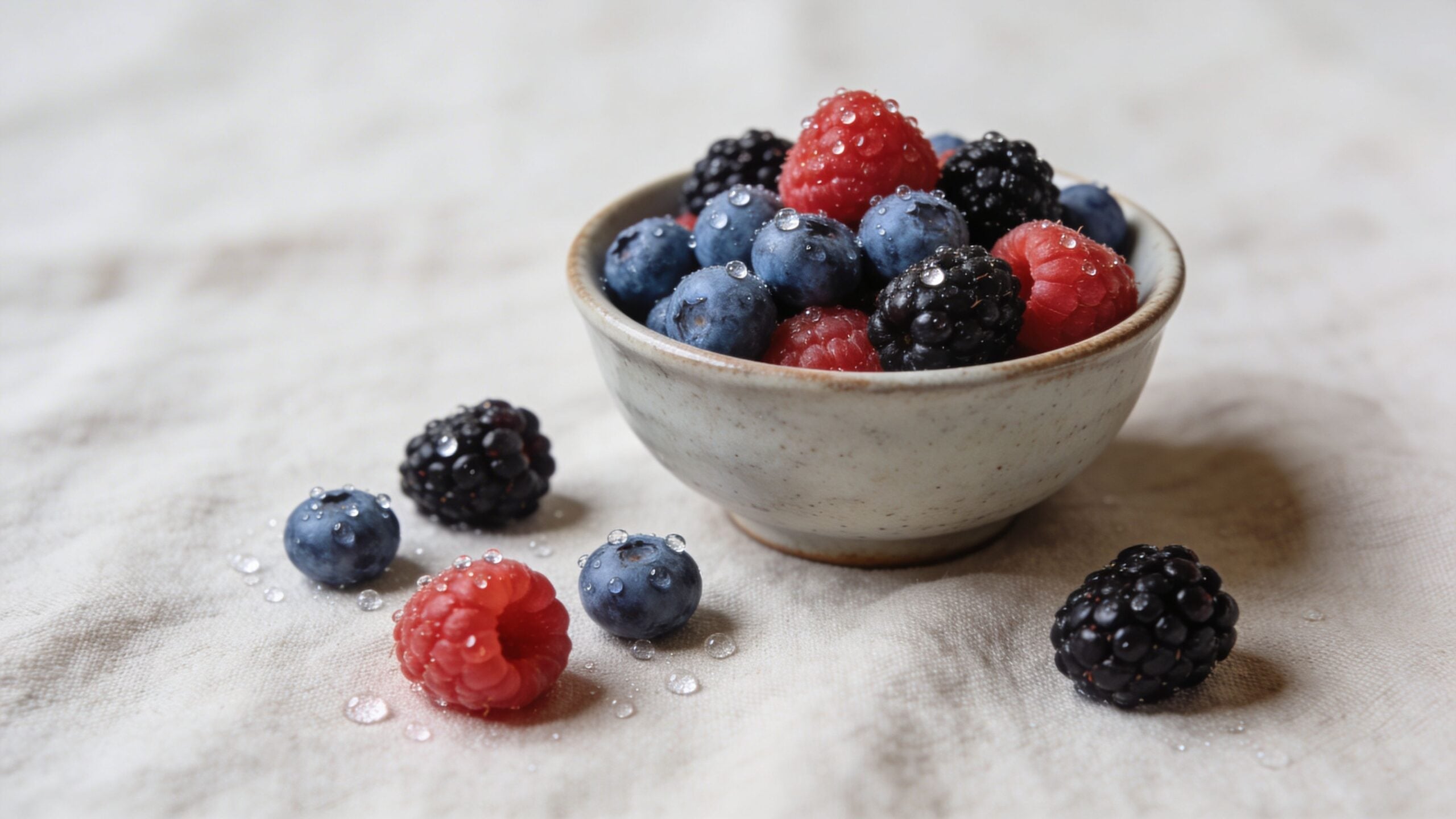
Berries help the gut in a different way. They bring plant compounds that gut bacteria can use, along with fiber that supports regularity and digestive comfort.
The nice thing about berries is that they feel like normal food, not medicine. That makes them easier to keep eating.
Fresh vs frozen
For gut health, frozen berries are often the better buy. They’re practical, available year-round, and easy to portion. On Amazon, that usually means grocery delivery or freeze-dried berry powders and snacks. Fresh berries are great, but they spoil quickly and cost more.
Good pairings include:
- Kefir and berries
- Oatmeal with raspberries
- Berry smoothie with ground flaxseed
- Plain yogurt with blueberries and chopped nuts
Pros and cons
- Pros: Easy daily use, naturally sweet, support fiber intake, pair well with other gut-friendly foods.
- Cons: Can be expensive fresh, some people overdo smoothies and drink too much fruit at once, berry powders aren’t always as satisfying as fresh berries.
A common mistake is turning berries into a sugar bomb by adding sweetened yogurt, juice, and honey all at once. Keep the base simple and they work much better.
A bowl of berries with kefir or plain yogurt is often more helpful than a “gut health smoothie” loaded with sweeteners, powders, and extras you don’t need.
If someone wants one of the easiest daily habits from this list, berries are near the top. Wash them, eat them, repeat. That simplicity matters.
8. Apple Cider Vinegar With The Mother
Apple cider vinegar gets overmarketed, but there’s still a useful place for it. Some people find that a diluted amount before meals helps them feel less heavy and more comfortable after eating. Others notice no benefit at all.
That’s the honest trade-off. ACV can be a helpful tool. It isn’t mandatory for gut health.
How to use it without creating problems
Always dilute it. Straight vinegar is rough on the throat and tough on tooth enamel. If you buy it on Amazon, choose raw, unfiltered versions with visible “the mother.”
The best uses are simple:
- Diluted in water before a meal
- In homemade salad dressing
- Mixed with olive oil, herbs, and mustard
Pros and cons
- Pros: Easy to use, widely available, can help some people feel better with meals, versatile in dressings and marinades.
- Cons: Acidic, can irritate reflux in some people, can damage enamel if used carelessly, often oversold online.
This is not the first food I’d add for someone with serious bloating or IBS. I’d start with fermented foods, flax, berries, or resistant starch first. ACV is more of a supporting player.
If you have reflux, be careful. Some people assume acidity will help all digestion, then find their symptoms flare. The right test is a cautious one: dilute, try a small amount, and stop if it makes things worse.
Used correctly, ACV is fine. Used aggressively, it’s one of the fastest ways to make a sensitive digestive system more irritated.
9. Resistant Starch
Resistant starch is one of the most underrated tools in gut nutrition. It doesn’t sound exciting, but it can be remarkably practical. This includes foods like green bananas and cooked-then-cooled potatoes or rice.
The reason it matters is simple. Some starch escapes digestion in the small intestine and reaches the colon, where gut bacteria can ferment it.
Easy ways to use it
This category works best when you think in leftovers:
- Cooled potatoes in potato salad
- Rice cooked ahead and eaten later
- Green banana blended into a smoothie
You don’t need a fancy product here, though green banana flour and resistant starch powders are common on Amazon if you want convenience.
The main issue is dose. Too much resistant starch too quickly can cause real gas and cramping. That doesn’t mean it’s bad. It means your gut needs a slower build.
Pros and cons
- Pros: Inexpensive, easy to build from everyday foods, useful for feeding beneficial bacteria, ideal for meal prep.
- Cons: Can cause bloating at first, texture of cooled starches isn’t for everyone, powders are easy to overuse.
One overlooked advantage is budget. If you’re trying to improve gut health without spending much, resistant starch from rice and potatoes is one of the smartest plays.
This is especially true for people who don’t want fermented foods every day. A meal-prep container of cooled rice, roasted vegetables, and salmon is a perfectly legitimate gut-health meal. It doesn’t need to look like wellness content to work.
10. Ginger and Turmeric
Ginger and turmeric don’t behave like kefir or flax. They’re more about calming the digestive environment than feeding the microbiome directly in the same obvious way.
Ginger is especially useful when the stomach feels unsettled. Turmeric is more often used for steady anti-inflammatory support in cooking.
The practical value
Both work best in regular culinary amounts. You don’t need to force giant doses.
Useful ways to include them:
- Fresh ginger tea
- Turmeric in soups, curries, and rice dishes
- Ginger grated into stir-fries
- Golden milk with black pepper
There’s also an important reality check here. GoodRx’s gut-health coverage points to spirulina as an emerging option and notes that many gut-food lists ignore algae despite its potential role in gut-brain support. That’s interesting, but it doesn’t make turmeric or ginger obsolete. It just reminds us that anti-inflammatory foods aren’t interchangeable.
Pros and cons
- Pros: Easy to cook with, helpful for digestive comfort, versatile across meals and drinks, useful if you dislike fermented flavors.
- Cons: Benefits are subtle, turmeric alone can taste earthy or bitter, high-dose supplement use needs more caution than normal food use.
A little culinary discipline matters. Turmeric is absorbed better in a meal with fat and black pepper. Ginger tends to be most useful when fresh.
If you’re choosing between the two, start with ginger if your main issue is meal-related discomfort or nausea. Start with turmeric if your diet needs more anti-inflammatory cooking staples overall. Many kitchens do well with both.
Top 10 Gut-Healthy Foods Comparison
| Item | Implementation Complexity 🔄 | Resource Requirements ⚡ | Expected Outcomes ⭐ | Ideal Use Cases 📊 | Key Advantages 💡 |
|---|---|---|---|---|---|
| Fermented Vegetables (Kimchi, Sauerkraut) | Moderate, basic fermentation skills, monitoring | Low, vegetables, salt, jars, refrigeration, time | ⭐⭐⭐⭐, improves probiotic intake, digestion, nutrient bioavailability | Daily condiment for gut diversity and digestion support | Natural probiotic food; prebiotic fiber; cost-effective |
| Ground Flaxseeds | Low, grind whole seeds as needed | Low, whole flaxseeds, grinder, refrigeration for ground seeds | ⭐⭐⭐, boosts fiber, ALA omega‑3s, prebiotic effects | Regular addition to smoothies, cereals to improve regularity | High ALA and lignans; supports bowel health and gut barrier |
| Bone Broth | High, long simmering (12–48 hrs) and sourcing quality bones | Moderate, bones, long cook time or ready-made purchases | ⭐⭐⭐⭐, supports gut lining repair, collagen and amino acids | Healing phase, inflammation, connective tissue support | Rich in collagen, glutamine, minerals for mucosal repair |
| Prebiotic-Rich Vegetables (Asparagus, Garlic, Onions) | Low, standard cooking; gradual introduction advised | Low, common vegetables, little prep | ⭐⭐⭐⭐, feeds beneficial microbes and increases diversity | Daily diet base to promote Bifidobacteria and Lactobacillus | Inulin/FOS content; improves insulin sensitivity and microbiome diversity |
| Kefir | Moderate, fermenting with grains or buy ready-made | Low–Moderate, milk or plant base, starter/grains or store-bought | ⭐⭐⭐⭐⭐, very high probiotic diversity and gut impact | Probiotic-rich beverage for daily microbiome support | 30–60+ strains; tolerated by many lactose-intolerant people |
| Wild-Caught Fatty Fish | Low, cooking or buying canned/simple prep | Moderate, quality sourcing (cost), storage | ⭐⭐⭐⭐, strong anti-inflammatory and barrier-support effects | 2–3 servings/week for inflammation reduction and omega‑3s | High EPA/DHA and vitamin D; supports beneficial bacteria growth |
| Polyphenol-Rich Berries | Low, minimal prep; frozen alternative available | Moderate, fresh seasonal or frozen for cost-effectiveness | ⭐⭐⭐⭐, antioxidant and prebiotic effects; supports butyrate producers | Daily antioxidant and prebiotic boost (smoothies, yogurt) | Anthocyanins and fiber; reduces inflammation and supports microbiome |
| Apple Cider Vinegar (with "The Mother") | Low, simple dilution or culinary use | Very low, inexpensive bottle, water for dilution | ⭐⭐, modest digestive and glycemic benefits for some users | Use for low stomach acid, salad dressings, pre-meal tonic | Cheap, widely available; stimulates gastric acid and bile release |
| Resistant Starch (Green Bananas, Cooled Potatoes) | Low–Moderate, requires cooking then cooling protocol | Low, common starches, refrigeration | ⭐⭐⭐⭐, potent prebiotic; increases butyrate production | Metabolic health, blood sugar control, colonocyte fuel | Cost-effective prebiotic that feeds butyrate-producing bacteria |
| Ginger and Turmeric | Low, add fresh or powdered to meals; supplements optional | Low, fresh roots or spices; black pepper or fat to enhance absorption | ⭐⭐⭐⭐, strong anti-inflammatory and antimicrobial effects | Chronic inflammation, nausea, digestive discomfort management | Potent anti-inflammatory compounds (gingerols, curcumin); antioxidant benefits |
The Final Verdict And the Winning Gut Health Food Is
All 10 foods on this list can help, but they don’t help in the same way.
Some add live microbes. Some feed the microbes already living in your gut. Some work mainly by making the digestive environment less inflamed and easier to manage. That difference matters, because the “best” food depends on what is going wrong.
If your digestion feels sluggish and you’re low on fiber, ground flaxseeds, berries, prebiotic vegetables, and resistant starch are often the highest-value fixes. They’re practical, relatively affordable, and easier to use consistently than many specialty products.
If your meals are already decent but your gut still feels off, fermented foods and kefir usually give the most obvious next step. They add something different. That’s often what people are missing.
If your problem is that your stomach feels irritated, meals sit heavily, or you don’t tolerate lots of rough fiber well, bone broth, ginger, turmeric, and fatty fish can be more useful than forcing huge salads and raw vegetables.
That’s why I wouldn’t call one food “best” for every person. Still, if I have to choose an overall winner, fermented vegetables take it.
They do more than one job at once. Good sauerkraut or kimchi gives you live beneficial bacteria plus the benefits of a whole vegetable food. Sauerkraut stands out in particular because it offers probiotics like Lactobacillus strains and fiber, and Healthline’s summary also notes that regular fermented food intake has been linked to a 20 to 30 percent increase in gut microbial diversity in the gut in the research it discusses, while digestive conditions such as IBS and inflammatory bowel disease affect about 10 to 15 percent of the global population in that same overview. Fermented foods are not a cure, but that combination of practical and biological value is hard to beat.
Fermented vegetables also win on flexibility. You can eat a small forkful with eggs, rice bowls, sandwiches, roasted meat, or potatoes. You don’t need a blender, a recipe, or a supplement routine. You just need the habit.
They’re also affordable compared with many packaged gut-health products. A jar can last a while when you’re using tablespoon-sized servings. That makes them realistic, and realistic usually beats perfect.
Kefir is the runner-up for sheer convenience. If someone asks me for the easiest probiotic habit, kefir is often the answer. Wild-caught fatty fish wins for anti-inflammatory support. Resistant starch wins for budget and simplicity. Ground flaxseed wins for everyday fiber support.
The long-term strategy isn’t picking one hero food and eating it forever. It’s building variety. A gut microbiome responds well when you stop eating the same few processed foods and start rotating different fibers, ferments, and whole-food staples through the week.
Start small. Pick two foods from this list that you will eat. Maybe that’s kefir and berries. Maybe it’s sauerkraut and cooled potatoes. Maybe it’s salmon and cooked garlic with rice. Keep that habit steady first.
That’s what works in practice. Not chasing every trend. Not buying a cart full of “gut health” products. Just feeding your system consistently, with foods that do the job.
Healthy Gut Review helps readers turn gut-health advice into practical action with evidence-based guides, food roundups, and supplement comparisons that are easier to use in daily life. If you want more help choosing probiotics, building a gut-friendly routine, or comparing digestive support products before you buy, visit Healthy Gut Review.