
So, you've started taking a new probiotic. The most straightforward way to know it's working is to feel it. You're looking for positive changes in your digestive health, like less bloating, reduced gas, and bowel movements that are more regular and comfortable. These initial clues usually show up in the first few weeks, but the exact timeline really depends on the specific probiotic strain and your own unique gut.
Your Quick Guide to Probiotic Progress
It can feel a bit like a leap of faith when you start a new probiotic. You're taking this thing every day, but how can you be sure it's actually doing anything? Let’s move past the guesswork and talk about the tangible signs that your new gut health plan is on the right track.
First, you need to understand the timeline. The first few days, and sometimes up to a week, are what I call the "adjustment period." It's completely normal to experience some temporary gas or shifts in your bathroom habits. This is just your gut microbiome getting acquainted with the new, beneficial bacteria you've introduced.
The Initial Adjustment Phase
When you suddenly introduce billions of new microorganisms into your gut, it can stir things up. This isn't a bad sign; in fact, it often means the new bacteria are actively competing with less desirable microbes for space and resources.
During this initial phase, you might notice:
- A temporary increase in gas or bloating: This is one of the most common early reactions and a sign that things are happening. It usually settles down within a week as your system finds its new balance.
- Changes in bowel movements: Things might feel a little different for a few days before they start to normalize and, hopefully, improve.
A brief adjustment period is often a good sign, showing that the probiotic is actively engaging with your microbiome. Think of it like a renovation project in your gut—there might be a little dust and noise before you see the beautiful final result.
This infographic breaks down what that journey typically looks like when you're starting and tracking a new probiotic.

As the graphic shows, success starts with knowing your baseline, moves through a normal adjustment phase, and should lead to noticeable improvements you can feel.
Early Signs Your Probiotics Are Taking Effect
The table below outlines some of the most common positive signs you might notice in the early weeks. These are the first clues that your probiotic is starting to work its magic.
| Positive Sign | Typical Timeline | What It Means for Your Gut |
|---|---|---|
| Reduced Gas & Bloating | 1-2 weeks | Your gut is becoming more efficient at digestion, and there’s less fermentation from undesirable bacteria. |
| More Regular Bowel Movements | 1-4 weeks | The new bacteria are helping to regulate gut motility and improve your overall digestive rhythm. |
| Improved Stool Consistency | 1-4 weeks | A well-formed, easy-to-pass stool (like a Type 4 on the Bristol Stool Chart) is a classic sign of a happy gut. |
| Less Digestive Discomfort | 2-4 weeks | General feelings of cramping or gurgling may fade as inflammation subsides and gut function stabilizes. |
Keep in mind that these timelines are just averages. The key is to watch for a positive trend, even if it's a slow and steady one.
After that first week or two of adjustment, you should start looking for these positive indicators. They're the real-world feedback telling you that your probiotics are working.
A few more concrete improvements to watch for:
- A calmer stomach after meals: You might find that your stomach feels less distended and reactive, even after eating foods that used to cause trouble.
- Predictable bathroom habits: Your schedule becomes more regular, often settling into a comfortable rhythm of one or two bowel movements per day.
- A general sense of ease: That nagging feeling of unease, gurgling, or minor cramping in your gut may start to become a thing of the past.
To track this effectively, you absolutely have to establish a personal baseline. Before you even pop that first capsule, take a few days to jot down your typical symptoms. How often do you feel bloated? What's your normal bathroom routine? Having this starting point makes it much easier to recognize real, measurable change versus just feeling vaguely "better." This simple act of self-awareness is the key to truly understanding if your probiotic is working for you.
Decoding the Signals From Your Digestive System
While a boost in energy or a better mood are great side effects, the most honest and immediate feedback you’ll get from a new probiotic comes straight from your gut. It’s time to get practical and look at what your bathroom habits are telling you.
The first and most obvious clues will be changes in your stool’s regularity and consistency. Let’s be real—most people turn to probiotics to get relief from unpredictable bowel movements, whether that’s constipation or frantic trips to the restroom. A huge sign of success is simply settling into a more predictable, comfortable routine.

"Regularity" doesn't mean you're suddenly going at 8:00 AM on the dot every day. It's about your body finding its own rhythm—one that feels normal and easy for you, without the stress of being backed up or the anxiety of sudden urgency.
Understanding Your Stool Consistency
One of the most powerful tools you have for this is the Bristol Stool Scale. It’s not just for doctors; it’s a simple visual chart that helps you objectively score your stool from Type 1 (hard, separate lumps) to Type 7 (entirely liquid). It’s an incredibly useful way to track your progress at home without any guesswork.
When your probiotics are doing their job, you'll start to see a clear trend toward the middle of the scale.
- Type 1-2: This signals constipation. The stool is hard, lumpy, and can be difficult to pass.
- Type 3-4: This is the sweet spot. Stool is sausage-shaped and easy to pass, either with a few cracks (Type 3) or smooth and soft (Type 4).
- Type 5-7: This range points to diarrhea, from soft blobs (Type 5) to completely watery (Type 7).
Your goal is to consistently land in the Type 3 or Type 4 zone. Seeing your body move into this range is one of the most concrete signs that your probiotic is helping balance your gut and improve digestion.
This shift won't happen instantly. It could take a few weeks, but noticing that gradual trend is a fantastic indicator that you’re on the right track.
How to Journal Your Digestive Progress
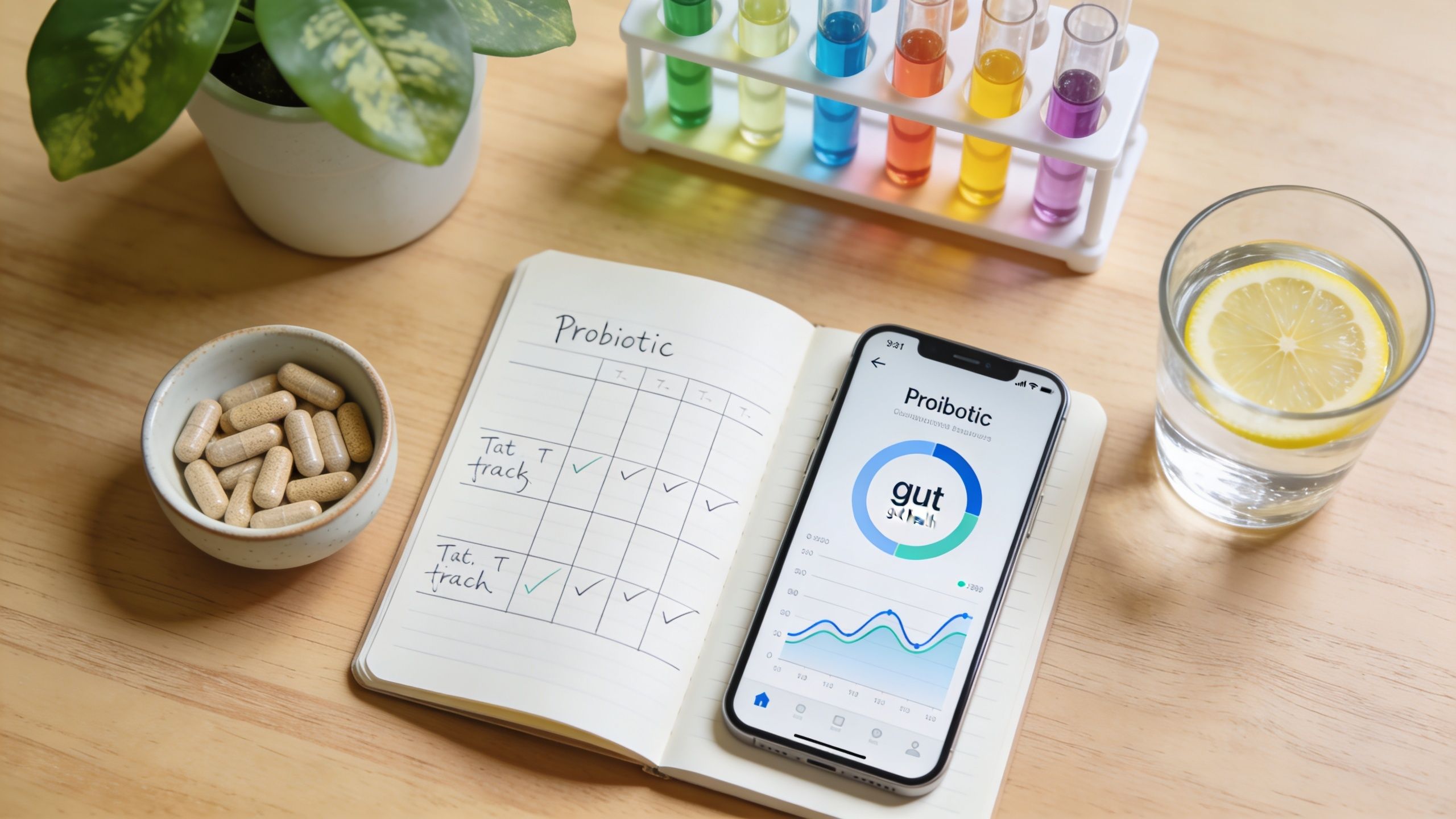
To really know if things are changing, you have to track them. Forget fancy apps or complicated spreadsheets; a simple notebook or a note on your phone is all you need.
Try logging these details for a week or two before you start your probiotic, and then continue as you take it:
- Frequency: How many times did you have a bowel movement today?
- Consistency: What was your number on the Bristol Stool Scale?
- Ease: Was it comfortable and easy, or did you have to strain?
- Symptoms: Jot down any bloating, significant gas, or cramping you experienced.
Keeping a simple log gives you a personal, objective health record. Instead of trying to remember how you felt last week, you’ll have a clear before-and-after picture. This is especially useful if you're tracking progress for a child, as it gives you solid data to discuss with their pediatrician.
Seeing your bowel habits become more predictable—typically 1-3 times daily—along with softer, easier-to-pass stools is a reliable sign that the probiotics are taking hold. For instance, studies have detected specific strains like Lactobacillus rhamnosus GG in 60-70% of users after they start taking it, which directly correlates with 30-45% improvements in bowel patterns. For more on the science, this guide to the signs of probiotic success from Seed.com is a great resource.
Ultimately, this digestive feedback is your best early-warning system and your clearest sign of progress. Pay attention to it, and you’ll know for sure whether your probiotics are actually working for you.
Finding Relief From Bloating, Gas, and Discomfort
Let's be honest. For most people, the decision to try a probiotic isn't an academic one. It’s born from the frustrating, often exhausting, cycle of bloating, gas, and that all-too-familiar digestive discomfort. If you've ever felt like your gut's whims dictate your social calendar, you're in the right place. This is exactly where probiotics can make a real difference.
Think of your gut as a bustling community. When it's balanced with a diverse population of good bacteria, digestion works like a well-oiled machine. But when less-desirable microbes gain a foothold, they can ferment food in a way that produces a ton of excess gas, leading to that tight, painful pressure we call bloating.
A good probiotic acts like reinforcements, helping to restore order. These beneficial strains work to crowd out the troublemakers, calm the digestive process, and bring your gut back to a state of peace.

What Real Improvement Looks Like
So, how can you tell if this gut rebalancing is actually working? It’s rarely a dramatic, overnight fix. Instead, what I tell my clients to look for are the small, steady wins that signal a bigger shift is happening.
Here are a few real-world signs you’re on the right track:
- The Post-Meal Feeling: You finish eating and realize, maybe an hour later, that you don't need to unbutton your pants. That tight, ballooning feeling that used to be a given is noticeably less intense, or gone altogether.
- A Quieter Gut: The embarrassing rumbles and unexpected moments of gas start to become less frequent. Your abdomen just feels calmer, especially in the evenings when things often get noisy.
- Forgetting the Antacids: If you’re used to popping antacids to manage heartburn or reflux, you might find yourself reaching for them less and less. That’s a fantastic clue that the underlying pressure in your digestive system is easing.
One of the most reliable indicators is simply a reduction in these daily annoyances. It’s not just a feeling—it’s direct feedback from your body that its internal ecosystem is getting healthier.
These subtle shifts are your proof that the probiotic is doing more than just passing through; it's actively making a positive change.
Understanding the Timeline for Relief
Patience is probably the hardest part of improving gut health. While a lucky few feel better within a week, a more realistic timeline for significant relief from bloating and gas is 4 to 6 weeks of consistent, daily use. This is the time it takes for the new bacteria to establish themselves, multiply, and start making a measurable impact on your digestion.
As noted by clinicians like Dr. Ruscio, some people see improvements in as little as a week, but it can take a full month or more for the full benefits to materialize. Studies looking at conditions like IBS, for example, show that daily use can lessen symptom frequency and intensity over time—we're talking fewer bouts of abdominal pain, less bloating, and more regular bowel movements. You can read more about what to expect on DrRuscio.com.
The Science of a Calmer Gut
What’s happening on a microscopic level is pretty cool. Specific probiotic strains, particularly those from the Lactobacillus and Bifidobacterium families, are champs at modulating inflammation along the gut lining.
Chronic, low-grade inflammation is a major culprit behind gut issues, including the "leaky gut" phenomenon where the intestinal barrier becomes too permeable. By taming that inflammation, probiotics help strengthen the gut wall. This allows your body to digest food and absorb nutrients efficiently, without triggering a five-alarm reaction.
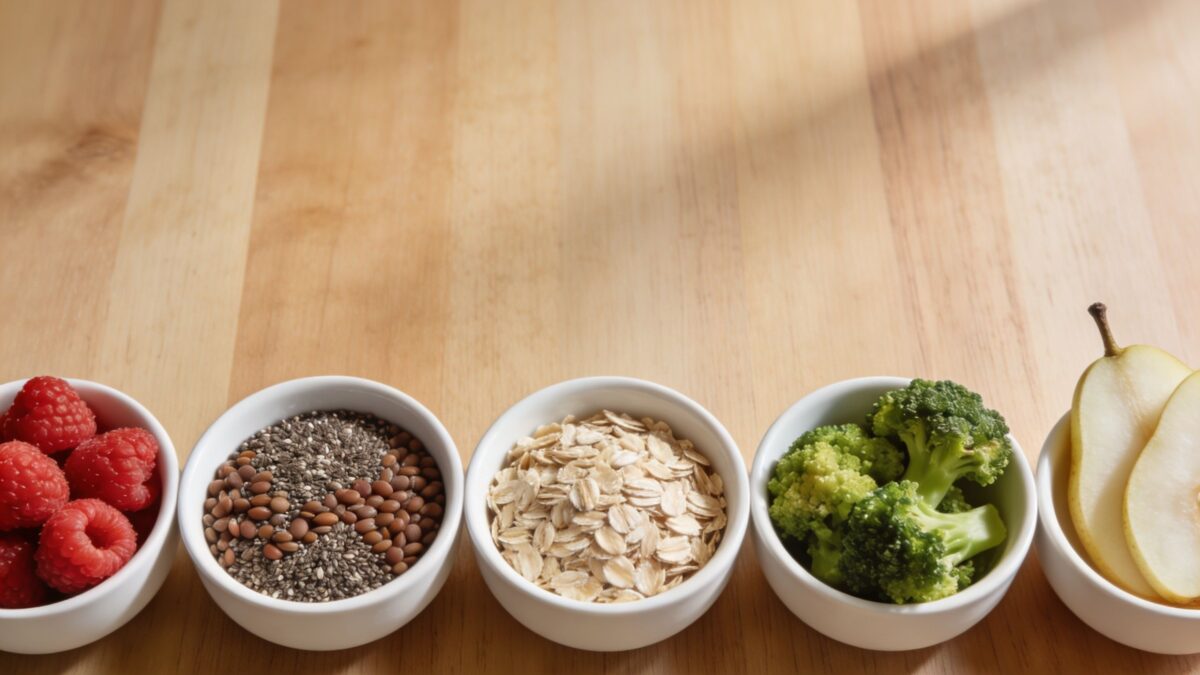
Giving these good microbes the right fuel is also crucial. Supporting your diet with a variety of plant fibers helps them thrive. Our guide on high-fiber foods for better digestion is a great place to start.
This dual action—calming inflammation and reinforcing the gut barrier—is why you gradually start feeling less reactive to foods that once sent you running for cover. Your digestive system can finally take a breath, freeing you from the discomfort that was holding you back.
Whole-Body Benefits Beyond Better Digestion
While the first signs of a good probiotic usually show up in your gut, the benefits don't stop there. A healthy digestive system can create a positive ripple effect felt throughout your entire body. If you're wondering whether your probiotic is truly working, start paying attention to things like your mood, mental clarity, and even your skin.
The link between the gut and the brain is incredibly strong. This two-way communication superhighway, often called the gut-brain axis, means a calmer gut can lead to a calmer mind. Many people I've worked with are pleasantly surprised when, after a few weeks, they feel a subtle lift in their mood or notice that frustrating "brain fog" has started to clear.
It’s rarely a dramatic, overnight transformation. Instead, you might just find you're more resilient to daily stress or that your focus at work is a bit sharper. These are the clues that your probiotic is having a positive, body-wide effect.
A Brighter Mood and Sharper Mind
This isn't just wishful thinking; we have solid science to back it up. A 2022 clinical study showed that participants taking a probiotic with Lactobacillus helveticus and Bifidobacterium longum reported a 32% reduction in perceived stress and a 20% improvement in sleep quality over just eight weeks. This happens because the gut plays a key role in producing neurotransmitters like serotonin and GABA. If you find yourself waking up more refreshed after a month or two, it’s a great sign. You can dive deeper into these fascinating findings on the gut-brain axis on NCBI.
Look for subtle improvements in your mental state, such as:
- Better Sleep Quality: You fall asleep more easily, or you wake up feeling more rested, even without logging more hours.
- Enhanced Focus: That afternoon slump where you can't seem to concentrate might become less of a battle.
- More Stable Moods: You may feel less emotionally reactive and better equipped to handle the day's ups and downs.
Clearer Skin and a Stronger Immune System
Your skin often acts as a window to your internal health, and the gut-skin connection is a perfect example. An imbalanced gut can fuel inflammation throughout the body, which can manifest as acne, eczema, or rosacea. By helping to soothe this internal fire, probiotics can lead to a clearer, calmer complexion.
At the same time, a huge part of your immune system is housed right in your gut. A strong, healthy gut lining is your body's best gatekeeper, preventing unwanted germs and toxins from entering your bloodstream.
Think of your gut lining like a tightly woven net. When it's healthy, it selectively lets nutrients in while keeping harmful things out. Probiotics help patch up and maintain this net, reinforcing your body's first line of defense.
If you notice you're catching fewer colds or that you bounce back from illness a little faster, that’s your immune system showing you things are on the right track. It’s not about becoming invincible, but about giving your body a better fighting chance.
Finally, don't forget about your energy levels. When your digestion is working well, your body can pull more nutrients from the food you eat. Better nutrient absorption, combined with less systemic inflammation, often translates into a noticeable boost in vitality. Feeling more energized throughout the day is one of the best real-world signs that your probiotic is a good match for you.
When to Troubleshoot Your Probiotic Strategy
You've been consistent with your new probiotic for a few weeks. You were hopeful, but all you’ve gotten is… well, nothing. Or, even worse, you’re feeling more bloated and uncomfortable than when you started. If this sounds familiar, don't get discouraged. This is a common bump in the road, and it doesn't mean probiotics are a dead end for you. It just means your current approach needs a little fine-tuning.
First, you need to figure out what's an adjustment period and what's a genuine red flag. A bit of mild, temporary gas or bloating during the first week is pretty normal as your gut microbiome gets reacquainted with its new residents. But if those symptoms are severe, or if they just won't go away, that’s your body telling you something isn’t quite right.
This is valuable feedback. Listening to it is the key to knowing whether you should stay the course or change direction.
Feeling No Different? That's a Clue
What if a few weeks have passed and you feel exactly the same as you did on day one? This lack of change is a sign in itself. It's your gut's way of quietly telling you that the probiotic you're taking isn't the right fit.

From my experience, this usually boils down to two main reasons:
- Wrong Strain for the Job: The specific strains in your supplement might be great, but not for your particular needs. A probiotic that works wonders for your friend's bloating might do absolutely nothing for your constipation because they target completely different imbalances.
- The Dose Isn't Right: The Colony Forming Unit (CFU) count could be too low to make a dent. Or, on the flip side, it might be too high for your system to handle right out of the gate, causing a stalemate.
If you’ve seen zero improvement after consistently taking it for 4 to 6 weeks, it’s time to call it. Your best bet is to look for a different formula with different strains or a different CFU count.
What if You Feel Worse?
It's much more concerning when your symptoms actively get worse. If you’re dealing with a major uptick in digestive distress—we're talking serious bloating, cramping, or diarrhea that hangs around for more than a few days—it’s time to press pause. This is especially true if you’re also feeling foggy-headed or mentally sluggish.
This could point to an intolerance to a specific strain or even an underlying condition like Small Intestinal Bacterial Overgrowth (SIBO). In fact, one study found that for some people experiencing brain fogginess and gas, probiotics were actually contributing to SIBO. When they stopped taking them, their symptoms cleared up. You can read more on this in the research published in Clinical and Translational Gastroenterology.
Do not try to "push through" persistent negative symptoms. A little temporary gas is one thing. Severe, lasting discomfort is your body waving a big red flag. It’s not a sign of a "die-off" effect; it's a signal to stop.
Your Game Plan for Making a Change
So, when do you stick it out, and when do you switch? Here’s the thought process I walk my clients through.
First, give it a real shot—at least one full month of daily, consistent use. Real change in the gut doesn't happen overnight.
Then, check in with your body. Is it mild, fleeting gas that disappears after the first week? You're probably okay to continue. Is it persistent, severe distress that makes you miserable? It's time to stop and talk to a professional.
If you’re just not feeling any different after 4-6 weeks, it’s time for a new game plan.
- Try a New Strain: Research a different probiotic strain known to help with your main complaint. If bloating is your nemesis, for example, look for formulas that feature Lactobacillus plantarum.
- Adjust the Dose: You don't always need a high CFU count. Sometimes, starting low with 5-10 billion CFUs and slowly working your way up is much more effective. Even the time of day can matter. Our guide on the best time to take a probiotic has some great tips on this.
Finding what works for your gut is a personal journey, and a little troubleshooting is a normal part of it. The most important thing is to be an active participant. Track your symptoms, listen to what your body is telling you, and don't hesitate to make a change when your current strategy just isn't cutting it.
Of course, here is the rewritten section with a more natural, human-written tone and style.
Advanced Tracking for Data-Driven Results
While noticing less bloating or more energy is fantastic, some of us are just wired to want more proof. If you're a data person like me, you want to see the cold, hard numbers that confirm your investment is actually working. Moving beyond daily symptom logs, these advanced methods give you a look under the hood at what’s really changing.
At-home microbiome tests can be a great way to get a "before and after" picture of your gut. You simply send in a stool sample, and the lab maps out the diversity of your gut bacteria. After a few months on a probiotic, you can test again and see tangible evidence of how your microbial community has shifted.
Interpreting Your Microbiome Report
When you get that report back, don't just scan for the names of the strains you're taking. Two key metrics tell a much bigger story:
- Alpha Diversity: Think of this as the richness of your gut ecosystem. A higher score here is almost always a good thing, signaling a more robust and resilient microbiome.
- Bacterial Ratios: The report will also show you the balance of major bacterial families, like the Firmicutes to Bacteroidetes ratio. Watching these numbers shift toward a healthier balance is a powerful sign of real progress.
I find that for many people, seeing a concrete increase in beneficial bacteria like Bifidobacterium or a higher alpha diversity score is the ultimate confirmation. It’s objective feedback that proves what you're feeling is backed by real biological change.
Monitoring Metabolic Health and Inflammation
Your gut's influence reaches far beyond just digestion; it’s deeply connected to your metabolic health and inflammation levels. If you're already keeping an eye on your blood sugar, a continuous glucose monitor (CGM) can be a game-changer for seeing a probiotic's impact.
Better blood sugar control is one of the more advanced signs of success. For instance, a 2023 study found that a specific probiotic blend helped patients with type 2 diabetes lower their HbA1c by a significant 0.6-1.0% after 12 weeks. This translated to smoother post-meal glucose curves—think gentle rolling hills instead of sharp, spiky peaks on your CGM—and led to 20-30% fewer sugar crashes. You can get more details on these findings about probiotic impact from Pendulum.
Finally, don’t hesitate to bring your doctor into the loop. Ask them about tracking specific lab markers over time. A simple blood test can measure inflammatory markers like C-reactive protein (CRP). Seeing that number go down is a strong indicator that your probiotic is helping to cool off systemic inflammation, which we know is a driver of so many chronic health problems. This adds another layer of objective proof to your journey, confirming the changes you’re making are having a measurable, body-wide effect.
Common Questions About Probiotic Effectiveness
When you’re trying a new probiotic, it’s easy to wonder if it's actually doing anything. Let's walk through some of the most common questions I hear so you can set realistic expectations and understand what's happening in your body.
How Long Does It Take to See Results?
This is always the first question people ask, and for good reason—you want to know your investment is paying off.
While some people feel subtle shifts in bloating or gas within the first week, the timeline for more significant, lasting improvements is usually between 4 to 8 weeks of daily use. Think of it like planting a garden; it takes time for the seeds to sprout and grow. You're giving beneficial bacteria a chance to find a home, multiply, and start influencing your gut environment for the better.
Can Probiotics Make You Feel Worse at First?
It's possible, yes. I often see people experience a brief adjustment period. You might notice a temporary uptick in gas or a bit of bloating during the first few days.
This is often a sign that the new bacteria are getting to work and competing with the less-desirable microbes in your gut. As long as these symptoms are mild and fade within a week, it's usually just part of the process.
If you're dealing with severe cramps, persistent discomfort, or symptoms that just feel wrong, don't try to "push through" it. This isn't a typical die-off reaction. It's your body's signal to stop and re-evaluate, as it could point to a strain intolerance or a different underlying issue.
Do I Have to Take Probiotics Forever?
Not necessarily. The goal isn't always lifelong supplementation.
If you're using a probiotic for a specific, short-term reason—like recovering from a round of antibiotics—you might only need to take it for a few weeks. For those seeking ongoing digestive support, continuing them can be beneficial. However, once you've established a healthy gut balance, many people can successfully maintain it by focusing on a diet rich in fiber and fermented foods.
As you explore what works best for your family, our guide on the best probiotic for kids might offer some useful insights.