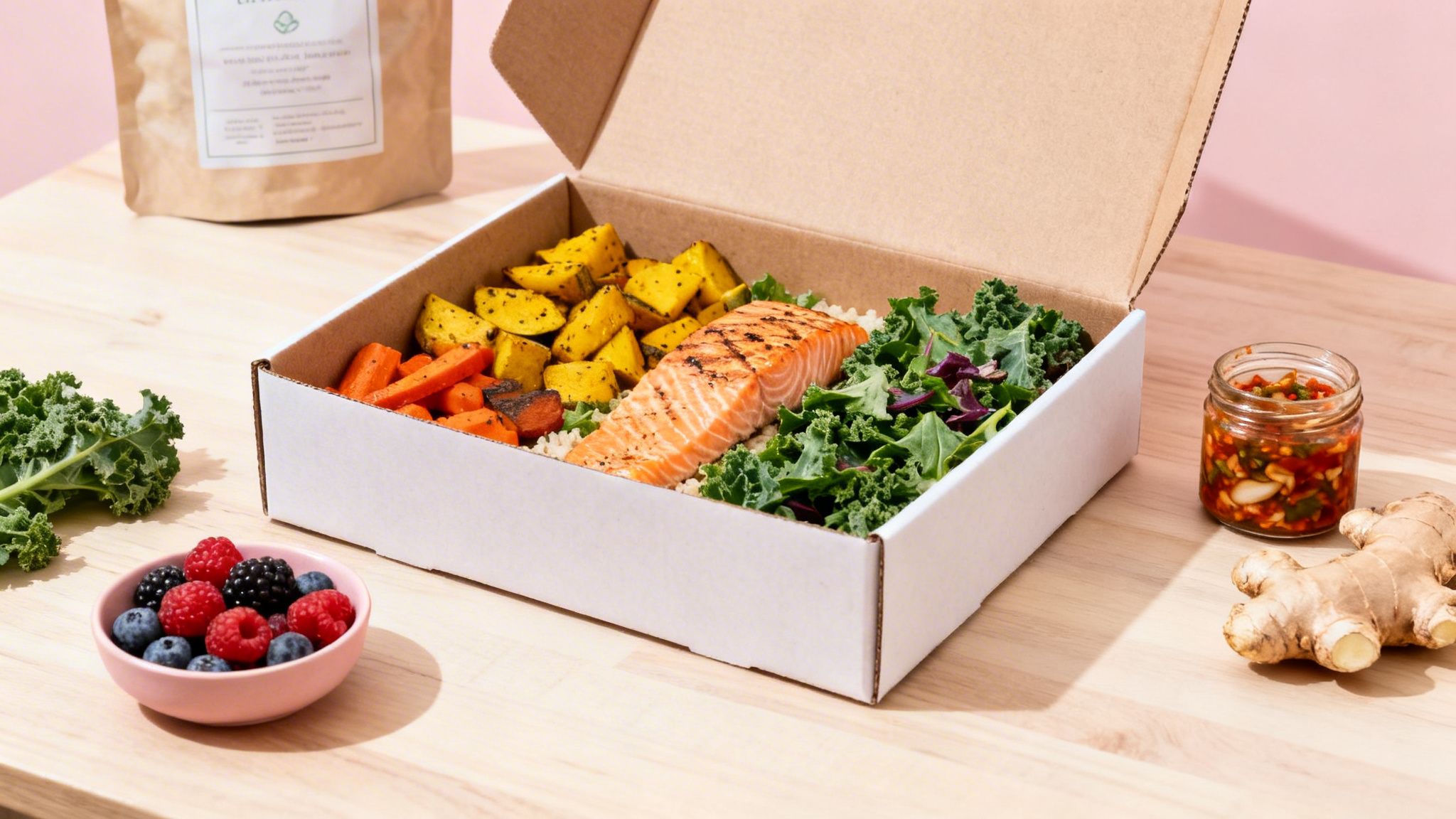


Tired of the bland GERD diet? Reclaim your flavor.
Does the fear of a flare leave you staring at another plain plate of chicken and rice? That cycle wears people down fast. GERD is common, and about 20% of the population suffers from gastroesophageal reflux disease, so if you feel frustrated, you are far from alone.
The problem is not only what gets removed from the plate. It is the constant decision fatigue. You know fatty and fried foods can trigger symptoms. You may already be limiting spicy meals, chocolate, peppermint, tomato sauces, citrus, alcohol, and carbonated drinks. But a list of “don’ts” does not tell you what to cook on Tuesday night, what to pack for lunch, or how to keep meals enjoyable enough to stick with.
That is where the right cookbook helps. A good one turns general guidance into practical acid reflux gerd diet recipes you can make without overthinking every ingredient. It also helps with the practical habits that matter just as much as the food itself, like smaller meals, calmer seasoning, and not eating too close to bed.
I reviewed this list through a practitioner lens. Not just “does it sound healthy,” but “would a real person with reflux use it for more than a week?” The best books make meal planning easier. The weaker ones get too rigid, too complicated, or too repetitive.
Below are 7 Amazon cookbooks worth considering if you want long-term help, not just a handful of random recipes. Each has a different strength, and one stands out as the best overall choice.
1. The Complete GERD Diet Cookbook for Beginners 100+ Healing Recipes to Manage Acid Reflux
A new GERD diagnosis often turns ordinary meals into a string of second guesses. Breakfast feels safest, lunch becomes repetitive, and dinner can turn into plain starch plus one “safe” protein. This book earns its spot near the top because it reduces that friction fast.
Among the Amazon options in this roundup, this is the easiest starting point for someone who needs clear rules, familiar ingredients, and recipes that do not demand much confidence in the kitchen. It is less about culinary range and more about helping you build a repeatable baseline. That trade-off works in its favor early on.
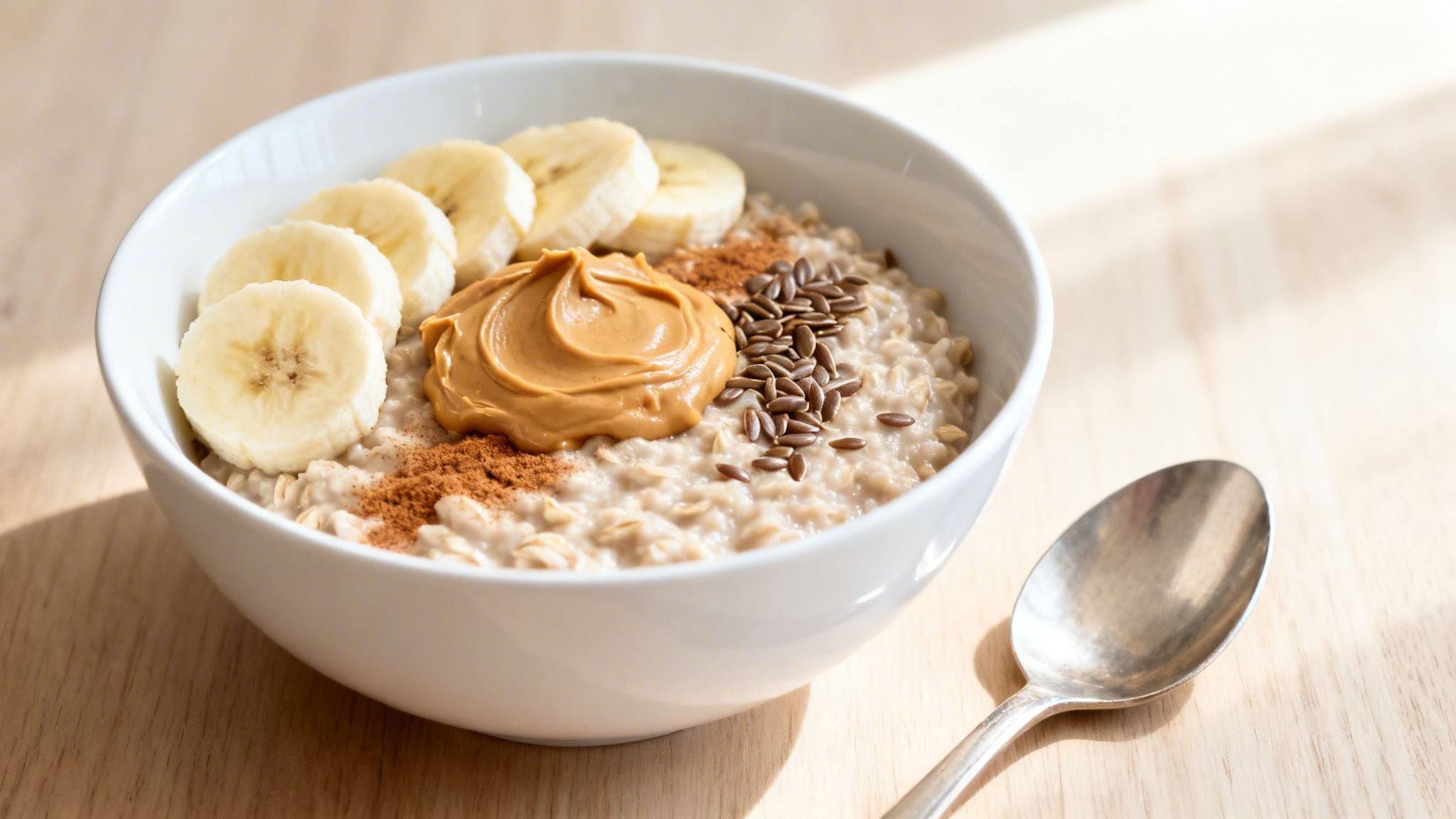
The food style is what many practitioners recommend first: gentler breakfasts, lower-acid produce, simple grains, lean proteins, and fewer rich sauces that can push portion sizes and symptoms in the wrong direction. As noted earlier, foods like oatmeal, rice, bananas, melons, broth-based soups, and mild vegetables often show up in reflux-friendly meal plans for a reason. They are easy to tolerate for many people and easy to build into everyday cooking.
A visual reference can help if you are trying to spot the kind of gentle, everyday meals that fit this approach:
GERD-friendly cookbook inspiration
What works well
Its biggest strength is usability.
Some reflux cookbooks lose beginners with specialty ingredients, complicated prep, or recipes that sound healthy but are hard to repeat on a workweek. This one stays practical. Expect oatmeal-based breakfasts, mild soups, rice bowls, baked chicken, cooked vegetables, potatoes, and simple smoothie ideas rather than restaurant-style reinventions.
That simplicity is not exciting, but it is useful. In early symptom control, a boring meal you can make consistently often helps more than an ambitious recipe you try once.
Pros
- Beginner-friendly structure: It helps readers learn common trigger patterns and safer substitutions without sounding overly technical.
- Normal grocery list: The ingredient list is realistic for a regular supermarket.
- Good habit builder: Recipes are simple enough to support more home cooking, which makes reflux patterns easier to track.
Cons
- Limited upside for confident cooks: Readers who already know their personal triggers may outgrow it quickly.
- Variety can flatten out: The safest flavor profile is often a mild one, and that can feel repetitive after a few weeks.
Best fit
I would rank this as the best entry-level pick, not the best all-around cookbook in the full list.
That distinction matters. If your main problem is confusion, this book solves it well. If your main problem is boredom, long-term variety, or a need for a more structured healing framework, stronger options appear later in the rankings.
“As someone totally overwhelmed by my diagnosis, this book was a lifesaver. It explained everything clearly and the recipes were easy and tasty. The oatmeal pancakes are a staple now!”
My practical caution is straightforward. A beginner cookbook can help you stabilize meals, but it will not cover every trigger pattern. People who also deal with bloating, stress eating, late-night meals, or highly individual food reactions may need to adapt beyond the book. As a first purchase, though, it gives many readers a workable starting system instead of another vague list of foods to avoid.
2. The Acid Watcher Diet by Jonathan Aviv, MD A 28-Day Reflux Prevention and Healing Program
A reader who is tired of guessing usually responds well to this book.
Among the Amazon cookbooks in this roundup, this one offers the clearest program. Dr. Aviv organizes reflux eating into a defined healing phase followed by maintenance, which makes it easier to follow than books that only give recipes and a short list of foods to avoid. That structure is a real advantage if symptoms are frequent or if previous trial-and-error has gone nowhere.
The trade-off is obvious. Flexibility drops at the start.
This is a better fit for someone who wants a reset than for someone who wants maximum freedom on day one. The food choices tend to follow a tighter low-acid pattern, and that can feel restrictive during social meals, travel, or busy weeks. Still, a stricter short-term plan often helps readers spot whether common problem foods like coffee, tomato, citrus, onion, or heavier dinners are driving symptoms.
Why it ranks near the top
What separates this book from many GERD recipe collections is the level of structure. It approaches meal planning like a focused intervention, not just a symptom-friendly cooking guide. For readers comparing cookbooks for long-term use, that matters because a clear system is often easier to maintain than a loose pile of “safe” recipes.
I also give it credit for authority. Written by an ENT physician, it speaks to readers who want stronger clinical reasoning behind the food rules. That does not mean every reader needs a medicalized approach, but for someone who has cycled through antacids, internet advice, and inconsistent meal changes, a more disciplined framework can reduce decision fatigue.
Pros
- Strong program design: The phased format gives readers a clear starting point and a way to reintroduce foods more carefully.
- Useful for pattern spotting: A tighter plan can make personal triggers easier to identify.
- High trust factor: The book feels grounded in medical practice rather than food trend marketing.
Cons
- Demanding early phase: Some readers will struggle with the restrictions, especially if they cook for a household with different preferences.
- Less weeknight flexibility: It is not the easiest pick for frequent takeout, restaurant meals, or highly spontaneous eating.
Best fit
I would rank this as one of the strongest contenders for Best Overall, especially for readers who want more than recipe inspiration. It gives them a method.
That said, method is not the same as ease. If a reader already knows their trigger foods and mainly needs faster meals or more variety, another cookbook in this list may serve them better. If the underlying problem is inconsistent symptoms and too much guesswork, this one is much more useful.
“The science behind it just clicked for me. It’s strict, but it works. After completing the 28-day plan, my symptoms were gone. I finally understood the ‘why’ behind my food choices.”
My practical caution is simple. A structured reflux plan works best when the reader treats it as a defined healing period, not a punishment diet. Readers who can commit for a few weeks often get more value from this book than from a lighter cookbook with broader flexibility but less direction.
3. The 30-Minute Acid Reflux Cookbook Quick Low-Acid Recipes for Symptom Relief
If time is your biggest obstacle, this is the practical choice.
A lot of reflux-friendly eating fails for one boring reason. People get home hungry, tired, and impatient. Then they order something greasy, spicy, cheesy, oversized, or all four at once. A fast cookbook can interrupt that pattern better than an aspirational gourmet one.
The appeal here is simple. Everything is built for speed. You are looking at quick grain bowls, light stir-fries without aggressive sauces, easy fish or chicken dinners, and assembled lunches that do not require a weekend cooking project.
Best for weekdays that go off the rails
This kind of book serves the person who finishes work late and needs dinner on the table before hunger turns into bad decisions.
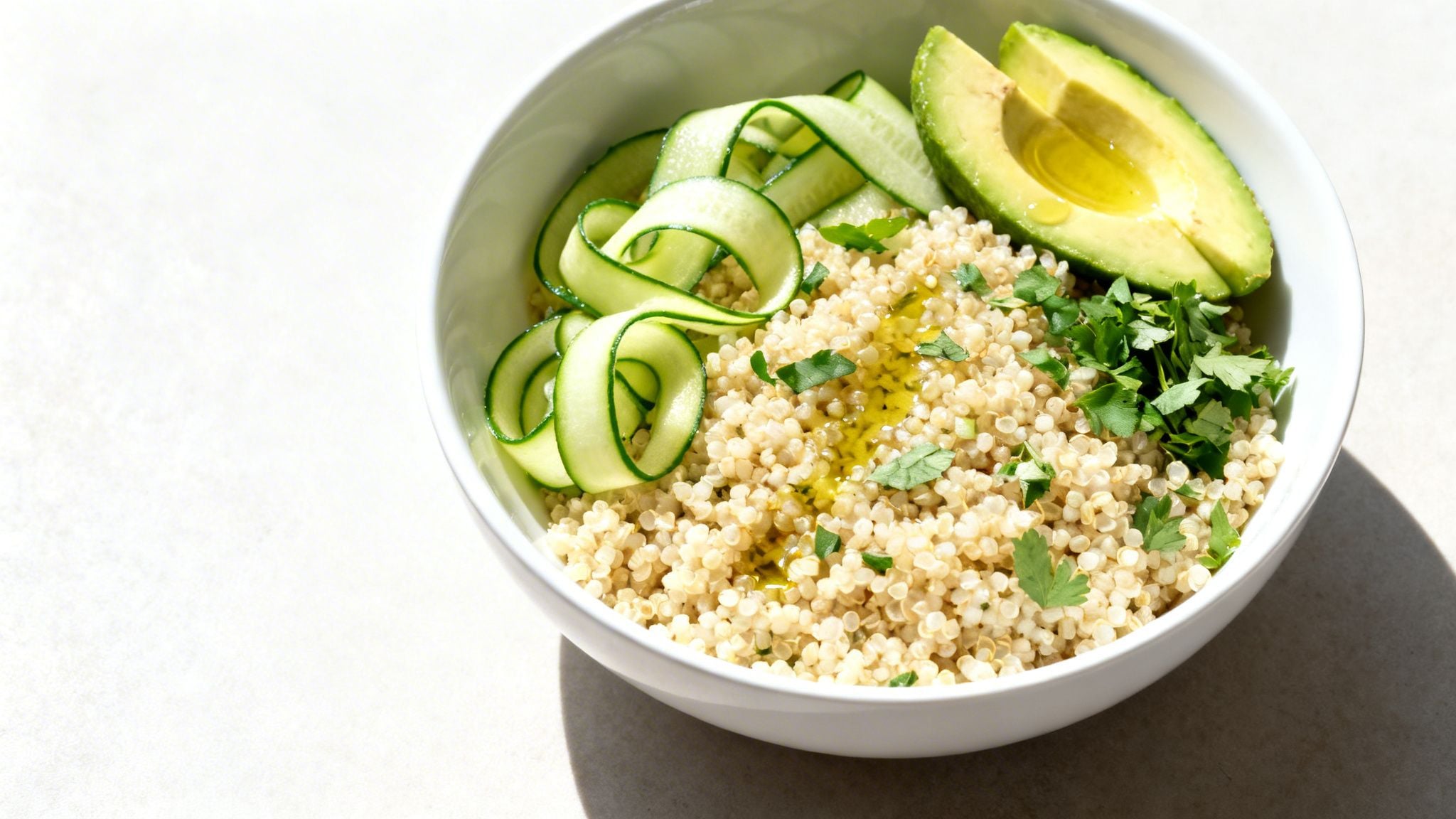
A realistic example is a quick bowl with brown rice, grilled chicken, steamed zucchini, chopped cucumber, and olive oil with herbs. It is not flashy, but it is often safer than restaurant food and fast enough to become a habit.
Practical tip: The best quick GERD meals use the same few components repeatedly. Cook a grain, prep a lean protein, keep mild vegetables ready, and rotate herbs so meals do not taste identical.
Pros
- Fast enough for real life: Useful for workweeks, commuting, and parents with limited time.
- Lower barrier to consistency: You are more likely to follow a plan when dinner takes less effort.
- Helps replace trigger-heavy takeout: That can make a noticeable difference in symptom control.
Cons
- Can feel utilitarian: Some meals prioritize speed over excitement.
- Not ideal for people who love elaborate cooking: You may outgrow it if cooking is your hobby.
Where it shines most
I especially like quick cookbooks for people who already know the basics but cannot execute them on busy days. Knowledge is not the issue. Friction is.
“I work long hours and was relying on takeout, which was killing my stomach. This book changed everything. I can make a healthy, safe meal faster than ordering a pizza.”
If your main challenge is time, not motivation, this Amazon pick is one of the strongest tools on the list. It keeps acid reflux gerd diet recipes realistic enough to survive a packed schedule.
4. Deliciously GERD-Friendly Gourmet Recipes to Reclaim the Joy of Eating
Some readers do not need another “safe foods” lecture. They need help making safe food taste good.
That is where this book earns its place. It leans into flavor-building techniques instead of relying on the usual bland-diet formulas. Roasting, herb layering, texture contrast, and gentle sauces do a lot of the heavy lifting here.
Standard reflux advice often strips meals down too aggressively. For consistency, people need food that still feels like food. A warm soup with depth, a herb-rubbed roast, or a creamy “nomato” sauce can make a restricted phase much easier to maintain.
Better flavor without common reflux triggers
Harvard and other clinical guidance commonly warn against fatty and fried foods, spicy items, citrus, tomato sauces, chocolate, onions, peppermint, carbonated drinks, and alcohol because these can increase reflux risk or relax the lower esophageal sphincter. So the smart move is not trying to recreate those flavors exactly. It is building a different flavor profile around herbs, careful roasting, mild sweetness from vegetables, and controlled fat.
This book tends to understand that.
Pros
- Best flavor development: Strong pick for food lovers who hate simplistic meal plans.
- Feels less restrictive: Better sensory satisfaction helps with long-term adherence.
- Good for hosting or date-night cooking: Meals feel more polished than typical diet food.
Cons
- More effort per dish: Some recipes ask for technique, not just assembly.
- Not the cheapest in time: Great on weekends, less ideal on chaotic weekdays.
Who should buy it
Buy this if you are at risk of quitting because boredom keeps pushing you back to trigger foods. If you miss tomato-based comfort foods, this style of cookbook can help bridge the gap with alternatives that still taste layered and satisfying.
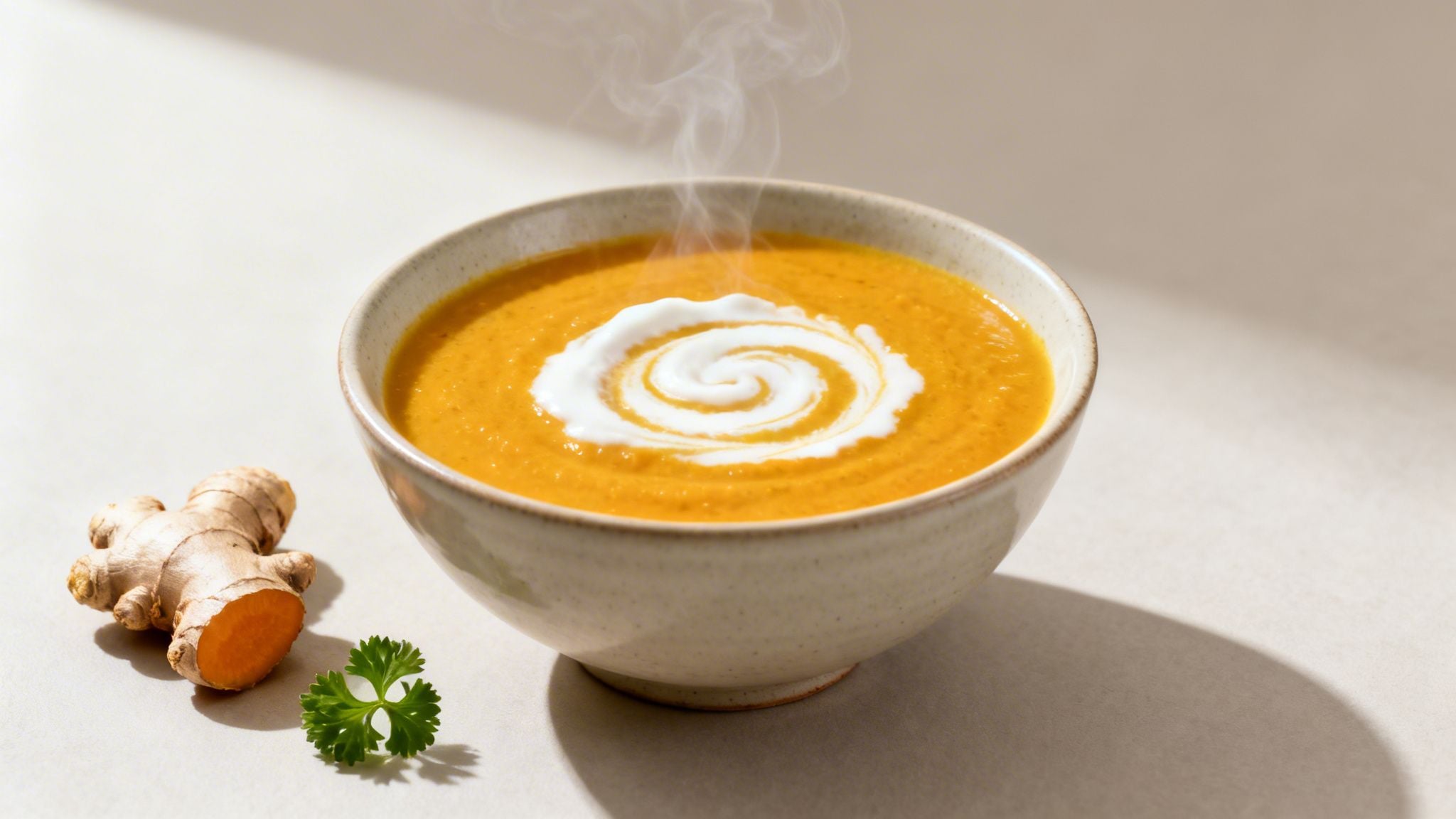
“I thought my days of enjoying food were over. This book taught me how to build flavor with herbs, roasting, and other techniques. The roasted carrot soup is better than any tomato soup I’ve ever had!”
I would not make this someone’s first GERD cookbook unless they already cook confidently. But for a reader who wants acid reflux gerd diet recipes that feel grown-up and thoughtful, it is one of the most enjoyable Amazon options.
5. The Plant-Based Acid Reflux Diet 100 Vegan Recipes for Healing Your Gut
Plant-based eating can work very well for reflux. It can also go badly if a cookbook leans too heavily on common trigger ingredients like tomato, garlic, onion, spicy sauces, or very high-fat vegan comfort food.
A good vegan GERD cookbook avoids that trap. It builds meals around grains, lentils, tofu, mild vegetables, and carefully chosen fats without making every dish feel like a compromise.
Cleveland Clinic and Baptist Health style guidance often supports lean proteins, low-fat dairy, non-citrus fruits, and vegetables excluding frequent triggers like tomatoes and onions, while also emphasizing fiber’s role in digestion and acid management. A plant-based book has to translate that logic into vegan practice by using ingredients that are filling without becoming too heavy or irritating.
A smart option with one important caveat
This category fills a real need. Many general reflux books treat vegetarian or vegan eating as an afterthought. If you do not eat meat or dairy, that gets old quickly.
Still, there is a trade-off. Some plant-based recipes can become bean-heavy, cruciferous-heavy, or too fibrous for people who also deal with bloating. That does not make the book bad. It means you need to know your tolerance.
For readers also thinking about broader digestive support, Healthy Gut Review’s coverage of probiotic gut health options and digestive support products can be a helpful complement to a food-first plan.
Pros
- Best vegan and vegetarian fit: It solves a gap many GERD cookbooks ignore.
- Can reduce reliance on high-fat animal foods: Helpful for readers whose symptoms worsen after richer meals.
- Usually packed with meal variety: Bowls, soups, bakes, and smoothies keep things interesting.
Cons
- Fiber load can be tricky: Some people need to scale back legumes or raw produce.
- Requires ingredient awareness: “Healthy vegan” does not automatically mean GERD-friendly.
Best reader for this book
This is ideal if you already eat plant-based or want to move in that direction without living on salad. The better recipes tend to be warm, cooked, and balanced. Think lentil bakes, soft grain bowls, mild soups, and gentle smoothies.
“As a vegan with GERD, I felt so lost. This book is my bible. The recipes are creative, filling, and I’ve never felt better. The lentil shepherd’s pie is a must-try.”
I recommend it selectively. Excellent for the right reader. Less ideal if your digestion reacts poorly to legumes or larger amounts of fiber.
6. The GERD-Free Family Cookbook 125 Recipes the Whole Family Will Love
Cooking one reflux-friendly dinner is manageable. Cooking one for yourself and a separate meal for everyone else is how people burn out.
That is why family-oriented cookbooks deserve more credit than they usually get. They reduce friction at the exact point where a lot of healthy eating plans fail: dinner time in a busy household.
This style usually works by keeping the base meal mild and flexible. You plate your portion first, then add stronger toppings or sauces for family members who want more punch. For example, baked chicken, potatoes, and green beans can be GERD-safe in its base form, while others at the table add a spicier sauce on the side.
Strong practical value for households
NIDDK guidance included in the verified material advises eating at least a few hours before bed and losing weight when appropriate, since excess weight can worsen symptoms. Family-style books help with both habits indirectly because they make regular home-cooked meals more realistic and reduce the late-night scramble for fast food or oversized restaurant portions.
A workable family dinner often looks boring on paper and successful in practice. Mild protein. Easy starch. Cooked vegetables. Optional add-ons for everyone else.
Pros
- Reduces double cooking: A major win for parents and caregivers.
- More family buy-in: Familiar meals create less resistance at the table.
- Good for sustainability: Easier to stick with when one dinner works for everyone.
Cons
- Less customized for severe triggers: Family appeal can make recipes more conservative.
- Can be too mild for some households: You may still need side sauces for others.
Practical tip: Plate the GERD-safe portion before adding extras. That one habit prevents “just a little tomato sauce” or “just some fried topping” from creeping onto your meal when you are distracted.
“This book saved my sanity! I was so tired of being a short-order cook. Now I make one meal, like the baked chicken and potatoes, and everyone is happy. My kids didn’t even notice the difference.”
If your biggest issue is not knowledge but household logistics, this Amazon cookbook punches above its weight. It makes acid reflux gerd diet recipes feel doable in a real family kitchen.
7. The Low-Acid Meal Prep Manual 6 Weekly Plans for a Calm Stomach
This is the planner’s book. If you like lists, prep sessions, and opening the fridge to find half the work already done, you will probably love it.
Meal prep matters in reflux care because symptoms often worsen when eating becomes erratic. The more random the week gets, the easier it is to skip meals, overeat later, and grab trigger foods under stress. A book that maps out batch cooking, shopping lists, and assembly steps can make symptom management far more consistent.
The broad lifestyle logic is strong. Verified guidance notes smaller, more frequent meals, avoiding large meals, and staying upright after eating can improve symptom control. A prospective pre-post intervention study of adults with self-reported GERD symptoms found statistically significant symptom reductions over four weeks when participants followed dietary protocols that avoided common triggers, used smaller frequent meals, and remained upright after eating, as summarized in Grand View Research’s GERD therapeutics market analysis.
Best system for consistency
This kind of cookbook is less about culinary inspiration and more about execution.
A strong prep plan might include grilled chicken, cooked quinoa, roasted zucchini and carrots, broth-based soup, and cut melon or banana for easy snacks. Then you assemble lunches and dinners without needing a fresh decision every time hunger hits.
For readers building a broader routine around convenient digestive wellness choices, Healthy Gut Review also covers meal delivery and anti-inflammatory meal support options that pair well with structured prep habits.
Pros
- Excellent for workweeks: Saves time and reduces impulsive eating.
- Helps with meal timing: Easier to eat earlier and more regularly.
- Reduces decision fatigue: One of the biggest hidden benefits for GERD management.
Cons
- Prep day takes commitment: Not everyone wants a weekly kitchen block.
- Some repetition is inevitable: Batch cooking trades novelty for convenience.
My honest take
This is the most behavior-friendly option on the list. If your symptoms flare mainly when life gets messy, a meal-prep manual often helps more than a prettier cookbook.
“The Sunday prep guide is genius. I spend 2 hours in the kitchen on the weekend and have healthy, GERD-safe lunches and dinners ready for the entire work week. No more last-minute stress eating.”
It is not the most exciting Amazon pick, but it may be the most useful for long-term follow-through.
7-Book GERD Diet Recipe Comparison
| Title | Implementation Complexity (🔄) | Resource Requirements (⚡) | Expected Outcomes (⭐📊) | Ideal Use Cases (💡) | Key Advantages (⭐) |
|---|---|---|---|---|---|
| 1. The Complete GERD Diet Cookbook for Beginners | Low 🔄: simple recipes, step‑by‑step guidance | Low ⚡: common ingredients, minimal tools | Foundational education + modest symptom control ⭐📊 | Newly diagnosed or cooking novices 💡 | Clear education, trigger labels, 2‑week meal plan ⭐ |
| 2. The Acid Watcher Diet (Jonathan Aviv, MD) | High 🔄: structured two‑phase medical program | High ⚡: strict adherence, time and some costly ingredients | Strong clinical healing potential with commitment ⭐📊 | Motivated users seeking evidence‑based protocol 💡 | Medical credibility; healing‑focused, structured plan ⭐ |
| 3. The 30‑Minute Acid Reflux Cookbook | Low–Medium 🔄: quick techniques, minimal steps | Medium ⚡: time‑efficient; occasional pre‑prep needed | Consistent daily relief via practical, fast meals ⭐📊 | Busy professionals and parents needing speed 💡 | Fast, one‑pan recipes; minimizes cleanup and time ⚡ |
| 4. Deliciously GERD‑Friendly (Gourmet) | Medium–High 🔄: advanced techniques, more steps | Medium–High ⚡: specialty ingredients/tools, more time | High culinary satisfaction while managing reflux ⭐📊 | Foodies who want complex flavor without triggers 💡 | Technique‑driven flavor building; entertaining dishes ⭐ |
| 5. The Plant‑Based Acid Reflux Diet | Medium 🔄: plant‑forward techniques and swaps | Medium ⚡: plant proteins/fibre‑forward ingredients | Good symptom improvement for low‑fat, high‑fiber diets ⭐📊 | Vegans/vegetarians needing GERD‑safe meals 💡 | Fully vegan options; creative plant proteins; low‑fat focus ⭐ |
| 6. The GERD‑Free Family Cookbook | Low–Medium 🔄: simple, family‑friendly recipes | Low ⚡: budget‑friendly, accessible ingredients | Moderate symptom control + reduced kitchen stress ⭐📊 | Families wanting one meal for everyone 💡 | One‑meal solutions; kid‑approved, budget conscious ⭐ |
| 7. The Low‑Acid Meal Prep Manual | Medium 🔄: requires planning and batch‑cooking | High ⚡: significant weekend prep time, storage needs | High sustained control and weekday convenience ⭐📊 | Meal‑preppers and planners aiming for consistency 💡 | Weekly plans, shopping lists, efficient batch cooking ⚡ |
The Winning Cookbook for Your Acid Reflux Diet
A good GERD cookbook should do more than offer a few safe recipes. It should help you eat with less fear, less confusion, and less relapse into the same trigger-heavy routine that caused problems in the first place. That is the standard I used when ranking these books.
Some readers need simplicity. Some need speed. Some need better flavor, family practicality, or a plant-based path that does not trigger symptoms. All seven books on this list can help the right person. But only one stands out as the best all-around investment.
The best overall choice is The Acid Watcher Diet by Jonathan Aviv, MD.
It wins because it offers the best blend of medical credibility, structure, and long-term usefulness. Most Amazon books on acid reflux gerd diet recipes either lean heavily practical or heavily educational. This one manages to do both. You get a defined plan, a rationale for the plan, and recipes that fit inside a bigger healing framework. That matters when someone is not just looking for dinner ideas. They are trying to get control of recurring symptoms.
I also like that it acknowledges how recovery often works. Many people need a clear healing phase before they can identify what they personally tolerate. A more structured reset usually works better than loose advice when symptoms are frequent and frustrating. The trade-off is obvious. It is stricter than the rest of this list. But for many readers, that discipline is exactly why it works.
If that level of structure feels like too much, my runner-up recommendation is The 30-Minute Acid Reflux Cookbook. It is the best choice for busy schedules, and that is not a small thing. A great plan that takes too long to cook will not survive real life. Fast, repeatable meals often beat ambitious plans that collapse by Wednesday.
The best beginner pick is The Complete GERD Diet Cookbook for Beginners. The best family pick is The GERD-Free Family Cookbook. The best specialty choice for vegan readers is The Plant-Based Acid Reflux Diet. Those categories matter because adherence always improves when the book matches the reader’s actual life.
One last point from practice. No cookbook, even the best one, can replace self-observation. General reflux guidance usually works in broad strokes: lower fat meals, fewer classic triggers, smaller portions, and calmer evening eating. But individual tolerance still matters. One person handles oats beautifully. Another does better with rice. One can tolerate avocado in small amounts. Another cannot. A cookbook should guide you, not lock you into foods your body clearly rejects.
Frequently Asked Questions
Q: Can I really never have tomatoes or coffee again?
A: Not necessarily. Many GERD diet plans use an elimination-style period first, then a more personalized maintenance approach. The practical goal is to identify your triggers and your threshold, not assume every restricted food is banned forever.
Q: Are all these recipes bland?
A: No. The better books on this list prove that reflux-friendly food can still be satisfying. Herbs, roasting, broth-based cooking, mild sauces, and texture contrast do a lot of work when aggressive ingredients are off the table.
Q: Do I need to buy all organic ingredients?
A: No. The bigger priority is choosing foods and meal patterns that reduce symptoms. A simple, non-organic home-cooked meal that fits your triggers is usually more helpful than an expensive grocery haul you cannot sustain.
Q: What works better than chasing random internet recipes?
A: A repeatable system. That usually means a cookbook that matches your lifestyle, a short list of meals you can make consistently, smaller portions, and paying attention to when symptoms show up.
Q: When should I look beyond a cookbook?
A: If your symptoms are severe, changing, persistent, or paired with swallowing problems, chest pain, or unintended weight loss, get medical guidance. A cookbook is a support tool, not a diagnosis or treatment substitute.
Healthy Gut Review helps readers cut through digestive-health confusion with practical, evidence-based guides on GERD, bloating, probiotics, and gut-friendly eating. If you want more product roundups, food strategies, and realistic nutrition advice that fits daily life, visit Healthy Gut Review.