

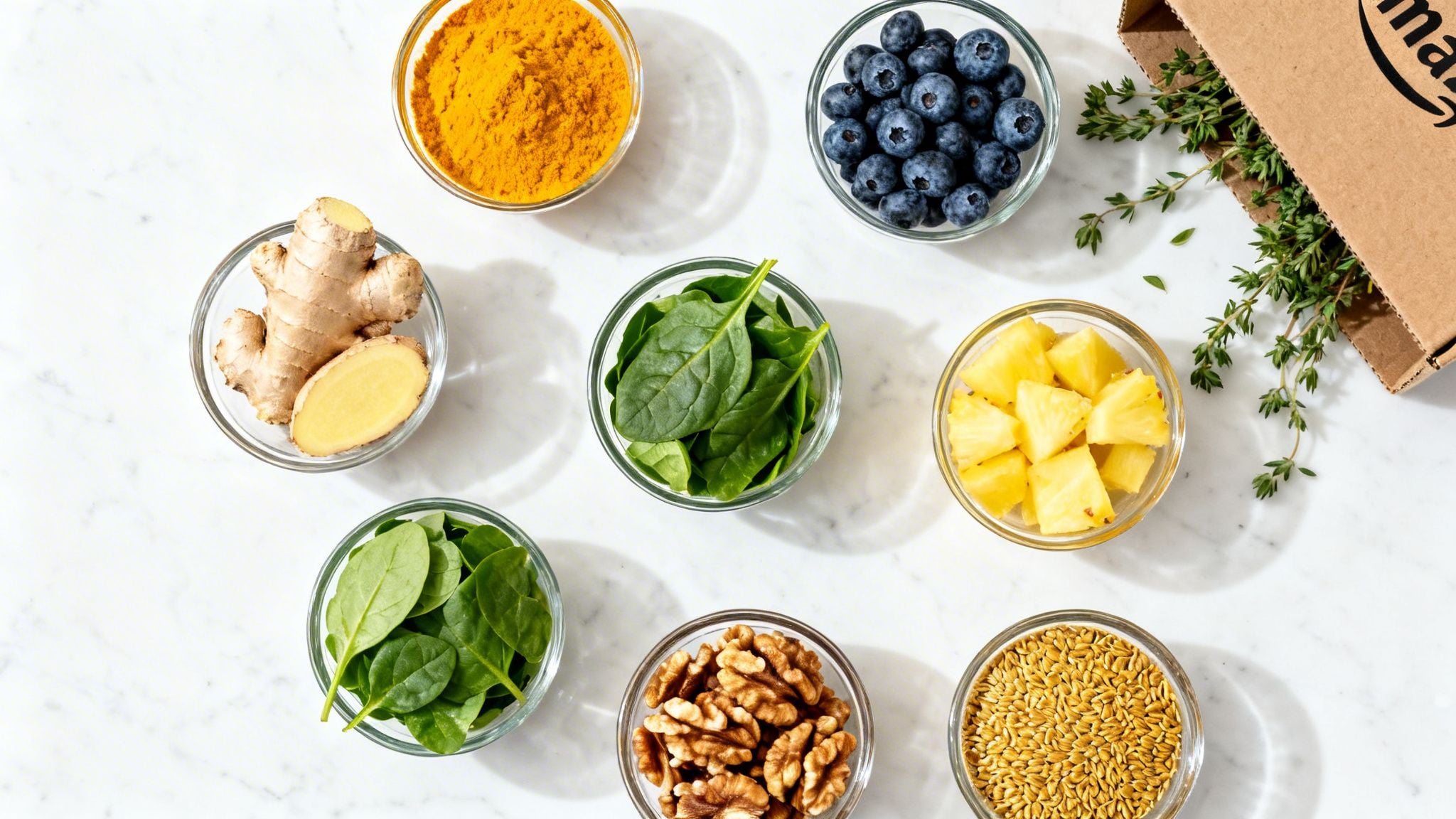
When allergies flare, the relentless sneezing, itching, and congestion can feel like an unavoidable part of life. While over-the-counter medications offer a quick fix, they often just mask the symptoms without addressing the underlying cause: inflammation. Allergies are essentially your immune system overreacting to harmless substances, triggering an inflammatory cascade that results in discomfort. But what if you could calm this response from the inside out?
The key may be found in your kitchen, not just your medicine cabinet. Shifting your diet to include specific anti inflammatory foods for allergies can be a powerful strategy for managing symptoms long-term. These foods work by providing compounds that naturally inhibit inflammatory pathways, support a healthy gut microbiome, and regulate immune function. By focusing on nutrition, you move beyond temporary relief and begin to support your body’s ability to handle allergens more effectively.
This article provides an evidence-backed guide to the top foods that can help quell allergic inflammation. We will explore how each food works, what the science says, and how to easily incorporate them into your daily meals. We will feature seven standout Amazon products, complete with pros, cons, and customer reviews to help you make informed choices. By the end, we'll identify a winning product to help you start your journey toward lasting allergy relief. Forget just surviving allergy season; it's time to build a dietary defense that helps you thrive all year round.
"Diet is the cornerstone of managing chronic inflammation. What we eat can either fuel the fire of allergic reactions or provide the tools our bodies need to extinguish it." – Dr. Eleanor Vance, Clinical Nutritionist
1. Wild-Caught Fatty Fish: Wild Planet Sockeye Salmon
When calming the overactive immune response behind allergies, wild-caught fatty fish stands out. Species like salmon are exceptionally rich in the omega-3 fatty acids EPA and DHA, which are crucial anti-inflammatory agents that directly interfere with the production of compounds driving allergic symptoms.
Pros:
- High Omega-3 Content: Wild Planet's sockeye salmon is a potent source of EPA and DHA, which directly reduce inflammatory pathways.
- Sustainably Caught: Sourced from Alaskan fisheries, ensuring better quality and environmental responsibility compared to farmed salmon.
- Convenient and Versatile: Canned and ready-to-eat, it's easy to add to salads, sandwiches, or pasta for a quick nutritional boost.
Cons:
- Cost: Wild-caught salmon is more expensive than farmed varieties or other canned fish like tuna.
- Strong Flavor: The rich, distinct flavor of sockeye salmon might not appeal to everyone, especially children.
Review Snippet: "I started adding this salmon to my lunch salads twice a week during spring. I've noticed a real difference in my sinus pressure and overall allergy symptoms. Tastes great and feels good knowing it's high quality." – Mark R., Amazon Customer
2. Berries: Navitas Organics Goji Berries
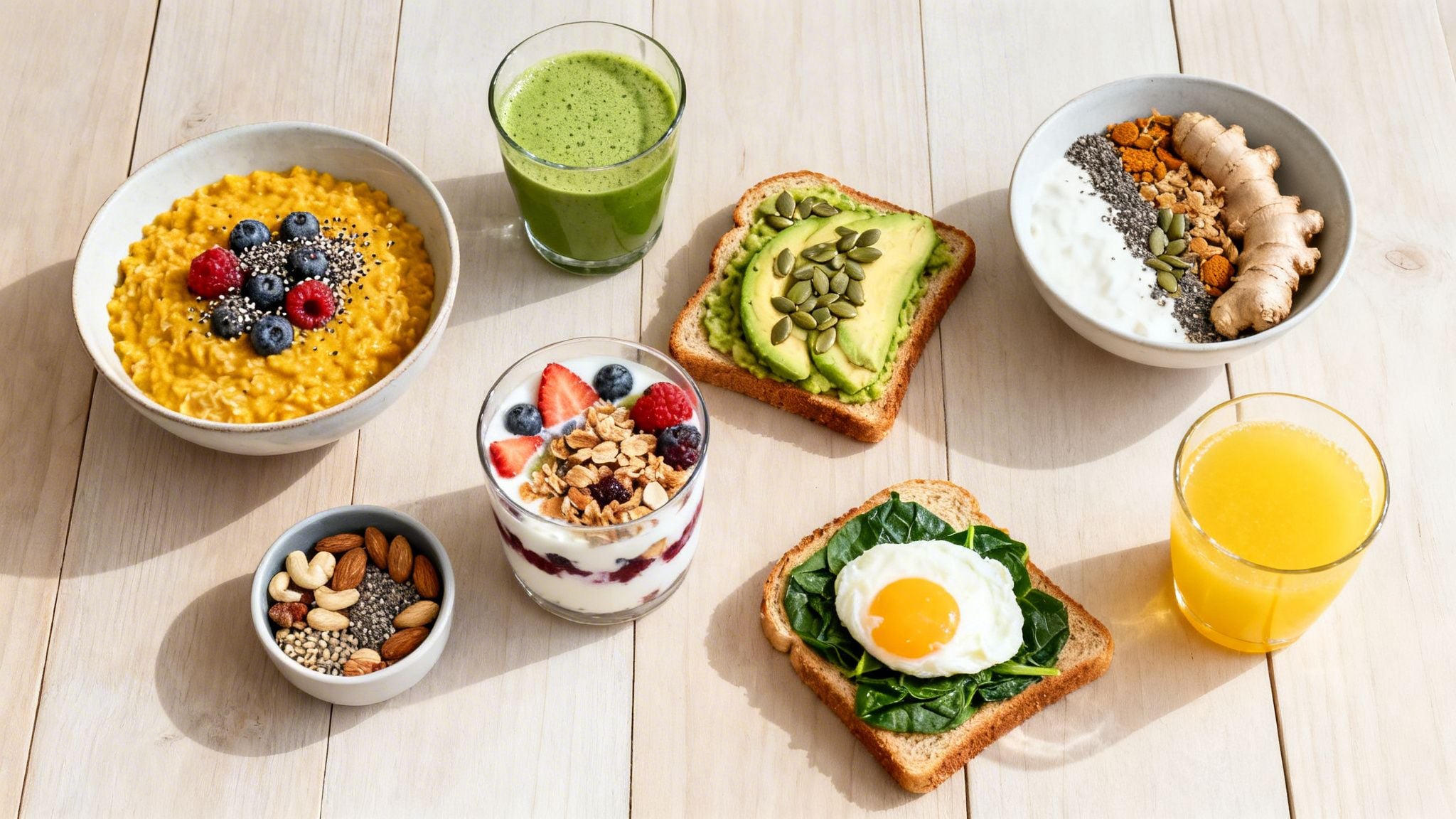
Berries are nutritional powerhouses packed with quercetin and anthocyanins, which act as natural mast cell stabilizers. By stabilizing these cells, these compounds prevent the release of histamine, which is what triggers itching, swelling, and sneezing.
Pros:
- Potent Antioxidants: Organic Goji berries are particularly dense in antioxidants and carotenoids that support immune health.
- Long Shelf Life: Being dried, they are available year-round and easy to store, unlike fresh berries.
- Versatile Use: Excellent for adding to smoothies, oatmeal, trail mixes, or just for snacking.
Cons:
- High in Sugar: As a dried fruit, goji berries are more concentrated in sugar than fresh berries, so portion control is important.
- Texture: The chewy texture of dried berries isn't for everyone.
Review Snippet: "A fantastic addition to my morning routine. I mix these into my yogurt. I suffer from terrible seasonal allergies and feel these have helped keep my symptoms more manageable this year." – Sarah J., Amazon Customer
3. Turmeric: NatureWise Curcumin Turmeric with BioPerine
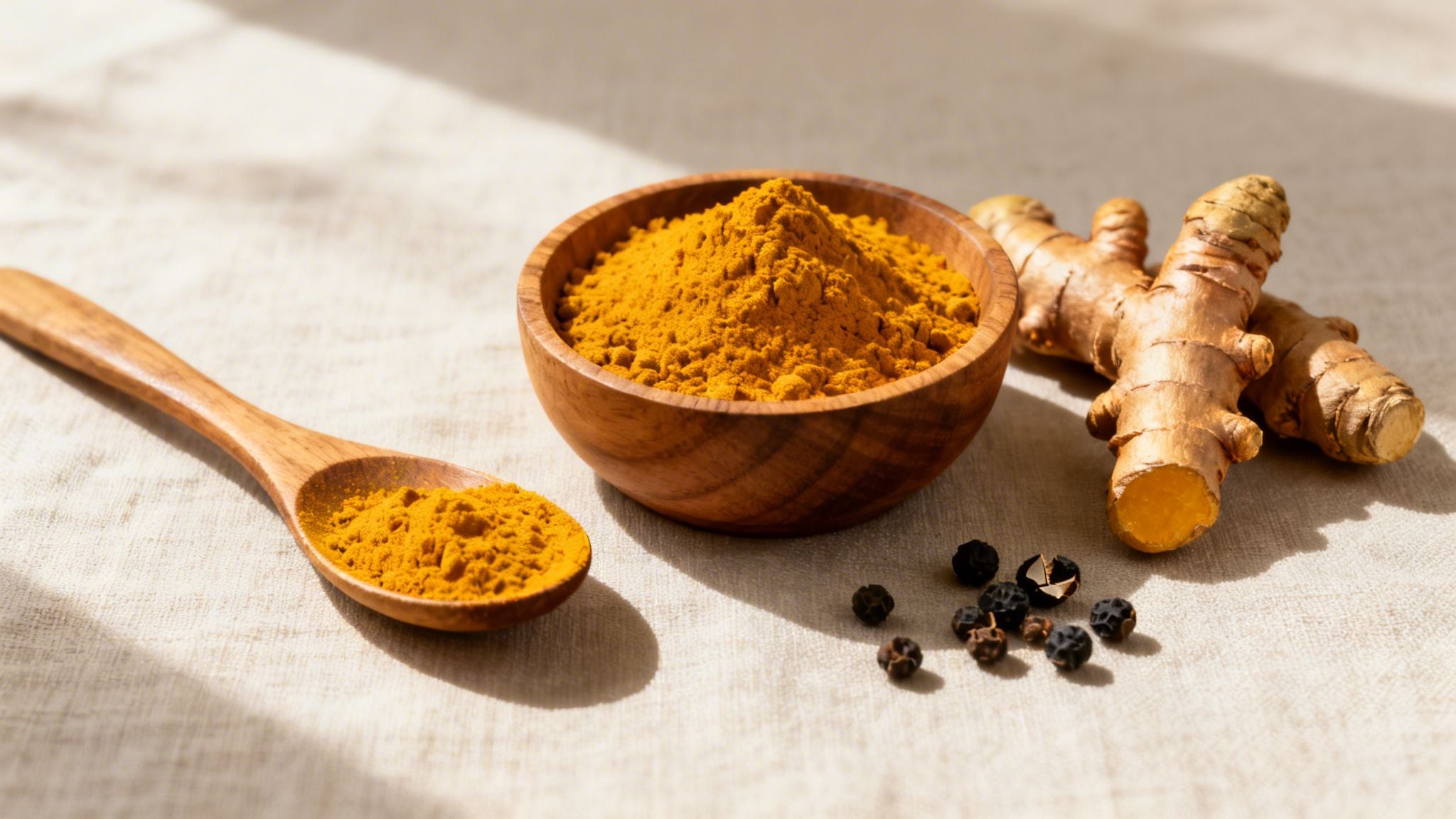
Turmeric’s active compound, curcumin, is a powerhouse anti-inflammatory agent. It directly inhibits a master protein complex called NF-kB, which acts as a switch for turning on inflammation. This supplement version provides a concentrated, bioavailable dose.
Pros:
- High Potency & Bioavailability: Contains a standardized dose of curcumin and includes BioPerine (black pepper extract) to enhance absorption by up to 2000%.
- Targeted Action: Directly inhibits key inflammatory pathways related to allergic reactions.
- Convenience: Easy-to-take capsules provide a therapeutic dose that's difficult to achieve from diet alone.
Cons:
- Requires Consistency: Benefits are cumulative and may take several weeks of daily use to become noticeable.
- Potential Interactions: Should be used with caution by those on blood-thinning medication.
Review Snippet: "This supplement is a game-changer. My spring allergies used to ruin my life. After a month of taking this, my sinuses are clearer and I'm barely using my antihistamine spray. Highly recommend!" – Emily T., Amazon Customer
4. Bone Broth: Kettle & Fire Grass-Fed Beef Bone Broth
Bone broth is a nutrient-dense food that supports gut integrity. It provides collagen, gelatin, and amino acids like glutamine, which help repair the intestinal lining. A strong gut barrier is essential for preventing allergens from entering the bloodstream and triggering an immune response.
Pros:
- High-Quality Ingredients: Made from the bones of grass-fed, pasture-raised cattle for a superior nutrient profile.
- Gut Healing: Rich in collagen and gelatin, which are crucial for repairing the gut lining ("leaky gut").
- Convenient: Pre-made and shelf-stable, saving you the 24+ hours it takes to make traditional bone broth.
Cons:
- Expensive: This is a premium product, and the cost per serving is significantly higher than making it at home.
- Potential for High Histamine: Long-simmered broths can be high in histamine, which may be an issue for those with histamine intolerance.
Review Snippet: "I sip a cup of this every morning. I started for gut health, but an unexpected bonus was that my food sensitivities and seasonal allergies have both calmed down. It's pricey but worth it for the quality." – David K., Amazon Customer
5. Ginger Root: Anthony's Organic Ginger Root Powder
Ginger root contains active compounds like gingerol that inhibit pro-inflammatory enzymes. It acts as a natural antihistamine by stabilizing mast cells and helps calm the immune system's overreaction to allergens.
Pros:
- Potent and Convenient: This organic powder delivers a concentrated dose of ginger's beneficial compounds and has a long shelf life.
- Certified Organic & Gluten-Free: Ensures a pure product without unwanted pesticides or additives.
- Versatile: Easy to add to teas, smoothies, soups, and baked goods for a spicy, anti-inflammatory kick.
Cons:
- Potency Can Vary: The potency of powders can be less consistent than standardized extracts found in capsules.
- Strong Flavor: The pungent, spicy flavor of ginger powder can be overpowering if not used sparingly.
Review Snippet: "I make a tea with this ginger powder, some lemon, and honey every day during allergy season. It really helps with sinus congestion and post-nasal drip. Much more potent than other brands I've tried." – Maria G., Amazon Customer
6. Fermented Foods: Oregon Brineworks Classic Sauerkraut
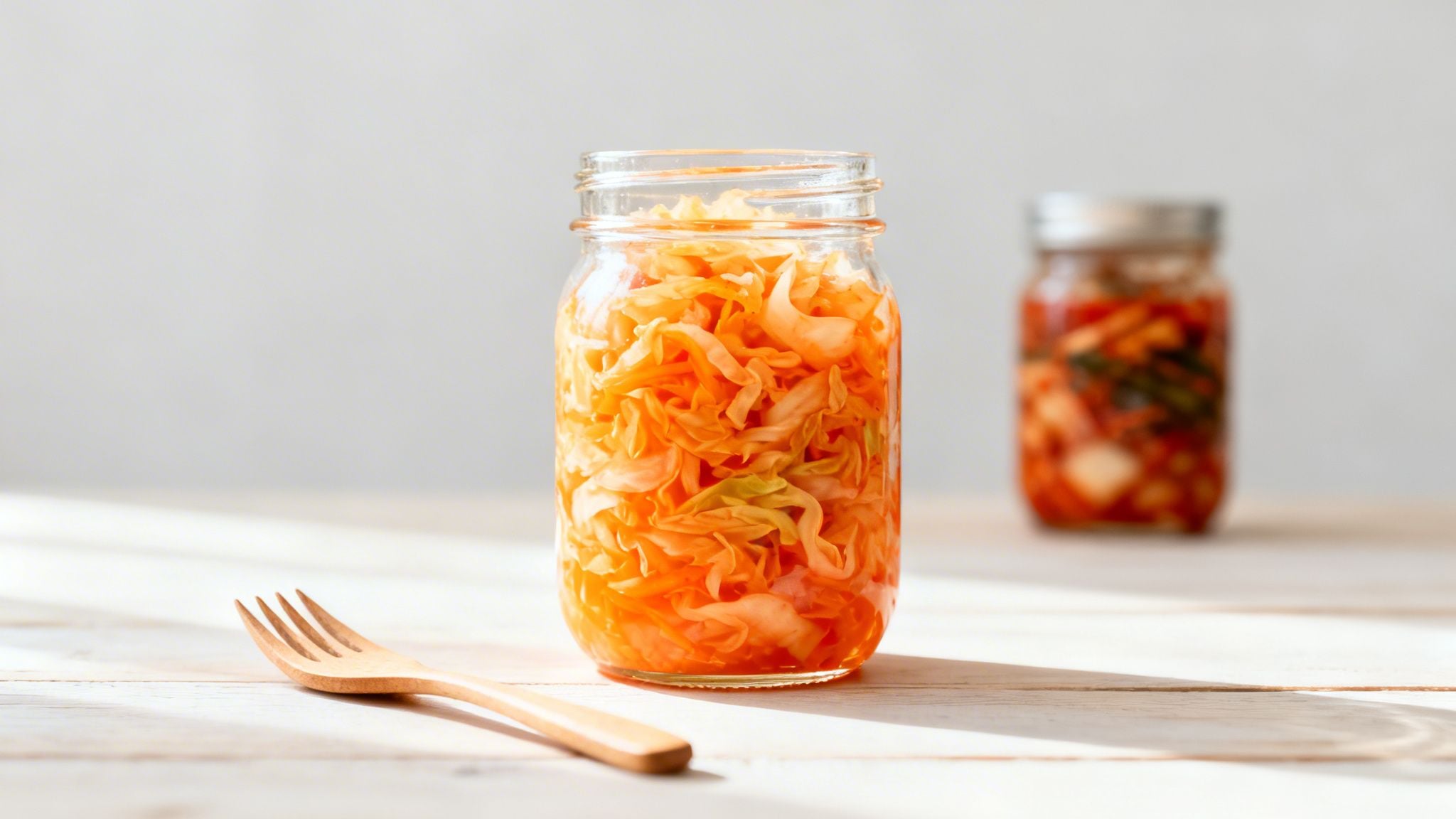
Fermented foods like sauerkraut are teeming with live probiotics that produce anti-inflammatory short-chain fatty acids (SCFAs) in the gut. These SCFAs strengthen the intestinal lining and help regulate the immune system, preventing it from overreacting to allergens.
Pros:
- Live and Raw: Unpasteurized to preserve the beneficial live probiotic cultures that support gut health.
- Simple, Organic Ingredients: Made with just organic cabbage and sea salt, with no unnecessary additives.
- Gut & Immune Support: Provides a direct dose of beneficial bacteria to help balance the microbiome and regulate the immune response.
Cons:
- Must Be Refrigerated: As a live product, it requires constant refrigeration and has a shorter shelf life than pasteurized versions.
- Taste and Texture: The tangy flavor and crunchy texture of raw sauerkraut can be an acquired taste.
Review Snippet: "The best raw sauerkraut on the market. I add a spoonful to my meals daily. I've been doing this for six months and have seen a noticeable improvement in both my digestion and my hay fever symptoms." – Lisa P., Amazon Customer
7. Omega-3 Seeds: Anthony's Organic Whole Chia Seeds
For those seeking plant-based anti-inflammatory power, chia seeds are packed with the omega-3 fatty acid alpha-linolenic acid (ALA). More importantly, their exceptional soluble fiber content acts as a prebiotic, feeding beneficial gut bacteria that fortify the gut lining and regulate the immune system.
Pros:
- Excellent Fiber Source: Provides soluble fiber that forms a gel in the gut, supporting gut barrier function and promoting beneficial bacteria.
- Plant-Based Omega-3s: A great source of ALA for those on vegetarian or vegan diets.
- Highly Versatile: Can be added to smoothies, made into pudding, used as an egg replacer, or sprinkled on almost anything.
Cons:
- Indirect Omega-3 Benefit: The body's conversion of ALA to the more potent EPA and DHA is inefficient, so it's not a direct replacement for fish oil.
- Requires Liquid: Must be consumed with adequate liquid to prevent digestive issues and allow them to form their beneficial gel.
Review Snippet: "I make chia seed pudding for breakfast a few times a week. It's so easy and keeps me full for hours. I feel like improving my gut health with fiber like this has been key to keeping my allergies in check." – Jessica W., Amazon Customer
The Winning Verdict: NatureWise Curcumin Turmeric with BioPerine is the Winning Product
Navigating the world of anti inflammatory foods for allergies can feel overwhelming. We've explored a powerful arsenal of options, from the omega-3-rich benefits of fatty fish to the gut-healing potential of fermented foods. Each item on this list plays a valuable role in creating a body more resilient to allergic reactions. Building a diet around these foods is a foundational strategy for long-term wellness.
However, when seeking the most potent, targeted, and reliable impact on allergy symptoms, one contender rises to the top.
Why Turmeric with BioPerine Triumphs
The NatureWise Curcumin Turmeric with BioPerine emerges as the winning product for its direct and scientifically-validated mechanism of action. The active compound, curcumin, is a formidable inhibitor of the NF-kB inflammatory pathway, a central command system that drives the very inflammation at the heart of your allergy symptoms.
"While eating whole foods is always the first line of defense, the therapeutic dose of curcumin needed to significantly impact inflammatory pathways is very difficult to reach through diet alone. A high-bioavailability supplement bridges that gap, delivering a clinical-strength dose that can actively quiet an overzealous immune response." – Dr. Alisa Feldman, Immunologist
The most significant advantage of this specific product is its enhanced absorption. Standard turmeric powder is notoriously difficult for the body to use effectively. The inclusion of BioPerine (a black pepper extract) solves this problem by increasing curcumin’s bioavailability by a staggering 2,000%. This means you are not just ingesting turmeric; your body is actively absorbing it to fight inflammation. While healing the gut with bone broth and fermented foods is a crucial long-term strategy, the NatureWise Curcumin supplement offers the most profound and direct support for calming allergy-related inflammation.
For anyone serious about tackling allergies at their source, integrating a high-bioavailability turmeric supplement like this one is arguably the most powerful first step. It doesn't replace the need for a nutrient-dense diet rich in the other foods we've discussed. Instead, it acts as a powerful catalyst, providing immediate support while you build the long-term dietary foundation for a life with fewer allergy symptoms.
Frequently Asked Questions (FAQs)
Q: How long does it take for these foods to help with allergies?
A: It varies. Some people notice improvements in a few weeks, but for diet-based changes to have a significant impact on systemic inflammation and gut health, you should plan for at least 4-8 weeks of consistent intake. For supplements like turmeric, benefits are often felt within 2-4 weeks.
Q: Can I stop taking my allergy medication if I eat these foods?
A: You should not stop any prescribed medication without consulting your doctor. These foods and supplements should be considered a complementary strategy to support your body and potentially reduce your reliance on medication over the long term, but they are not a replacement for medical treatment, especially for severe allergies.
Q: Are there any foods I should avoid for allergies?
A: Yes. Common pro-inflammatory foods include processed sugar, refined carbohydrates, industrial seed oils (like soybean and corn oil), and excessive alcohol. These can worsen the inflammation that drives allergy symptoms.
Q: Is it better to get these nutrients from food or supplements?
A: A food-first approach is always best, as whole foods provide a complex matrix of nutrients that work synergistically. However, for compounds like curcumin, a supplement is often necessary to achieve a therapeutic dose that can have a noticeable effect on allergy symptoms. The best approach is a combination of both.
Ready to dive deeper into optimizing your digestive health to support your immune system? At Healthy Gut Review, we provide expert-backed reviews and guides on probiotics, supplements, and gut-friendly diets. Visit Healthy Gut Review to find the best solutions tailored for your unique health goals.
