

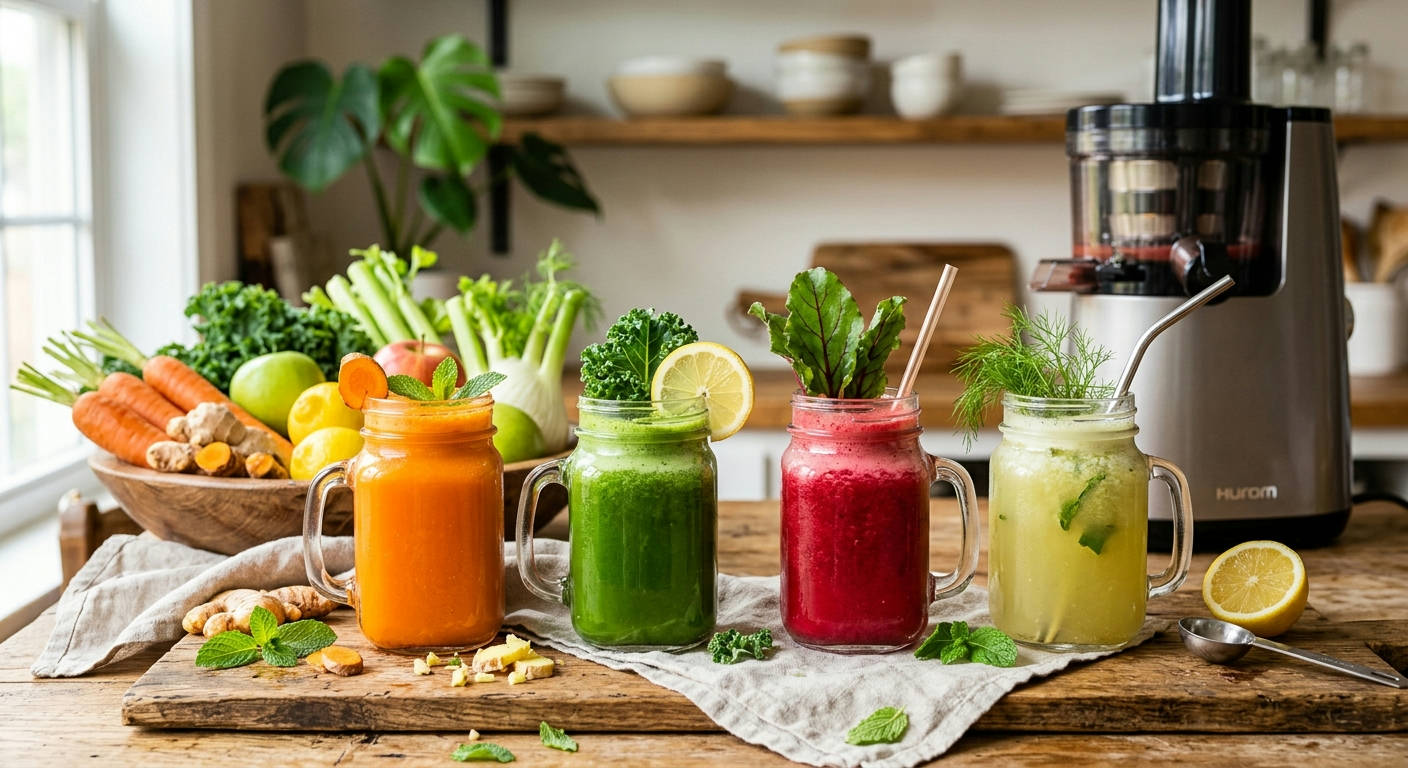
The quest for optimal digestive wellness has shifted significantly in 2026. Rather than relying solely on processed wellness shots, health-conscious individuals are turning toward nutrient-dense, gut-healthy juice recipes that prioritize bioavailability and inflammation reduction. At Healthy Gut Review, we have analyzed the latest nutritional data to curate a selection of juices that act as a foundation for your internal ecosystem.
Juicing is not merely about liquid extraction; it is about delivering a concentrated dose of phytochemicals directly to your microbiome. By removing insoluble fiber while retaining essential polyphenols and enzymes, these recipes allow your digestive system a momentary "rest" while flooding your bloodstream with therapeutic compounds.
The Science of Microbiome-Friendly Juicing in 2026
Modern science has confirmed that the gut-brain axis is heavily influenced by the diversity of our plant intake. As of 2026, the gold standard for digestive health is not just fiber, but the variety of prebiotic compounds consumed daily.
Why Bioavailability Matters
When you consume raw vegetables, the cellulose cell walls can be difficult for a sensitive gut to break down. Juicing bypasses this initial mechanical barrier.
By extracting the juice, you allow the body to absorb micronutrients like magnesium, potassium, and antioxidants almost instantaneously. This reduces the energy expenditure required by your gastrointestinal tract, allowing it to focus on tissue repair and microbiome maintenance.
The Role of Enzymes and Fermentation
While many juices rely on fresh produce, the integration of fermented elements is the 2026 trend defining digestive health. Combining fresh juice with trace amounts of kraut juice or apple cider vinegar transforms a simple beverage into a potent prebiotic tonic.
For those struggling with chronic digestive sluggishness, you may find that pairing these juices with best digestive enzyme supplements provides the missing link in your nutritional strategy. Enzymes ensure that even the complex sugars in fruits are processed efficiently, preventing fermentation in the lower gut.
Healing Protocols: The Anti-Inflammatory Green Juice
This signature recipe is designed to lower systemic inflammation. Inflammation is often the root cause of digestive distress, and the chlorophyll found in deep green vegetables is a known modulator of gut mucosal integrity.
Ingredients and Preparation
To prepare the "Gut Resilience Green Blend," you will need:
- 6 stalks of organic celery (high in apigenin)
- 1 large cucumber (hydrating and cooling)
- 1 small knob of fresh ginger (a potent prokinetic agent)
- 1/2 a green apple (for a minimal pectin boost)
- A handful of fresh cilantro (to aid in heavy metal detoxification)
Wash all produce thoroughly. Feed the ingredients through a slow, masticating juicer. The masticating process is critical here because it prevents heat buildup, which can denature the delicate enzymes present in the raw greens.
"The gut is the command center of the human body. By fueling it with cold-pressed, enzyme-rich botanical extracts, we are not just hydrating; we are conducting preventative medicine at a cellular level." — Healthy Gut Review Lead Researcher, 2026.
The Ginger-Turmeric Synergy for Gut Motility
Digestive motility—the speed at which food moves through your system—is essential for preventing the overgrowth of bacteria. If motility is slow, you risk imbalances that often require specific interventions. For more information on maintaining a balanced internal flora, explore our guide on the best probiotics for women.
The Golden Motility Tonic
Turmeric contains curcumin, which has been shown in clinical studies via the National Institutes of Health to improve gut barrier function. When paired with black pepper, its bioavailability increases by up to 2000%.
- 1 large knob of turmeric root
- 1 inch of fresh ginger root
- 2 medium carrots (rich in beta-carotene for mucosal support)
- A pinch of cracked black pepper
- 1 teaspoon of high-quality MCT oil (to aid in curcumin absorption)
The addition of healthy fats is non-negotiable in 2026. Because curcumin is fat-soluble, the MCT oil ensures that your body actually absorbs the anti-inflammatory benefits rather than simply excreting them.
Fiber Management and Gut Health
One of the most common questions we receive at Healthy Gut Review involves the loss of fiber during juicing. It is a misconception that juicing is "unhealthy" because it lacks fiber.

Understanding the "Fiber Break"
When dealing with acute digestive distress, high-fiber diets can actually aggravate symptoms like bloating and gas. Juicing acts as a therapeutic "fast" for the gut, providing nutrients without the mechanical irritation of harsh, insoluble roughage.
The Balance Strategy
We recommend that you do not replace your fiber intake entirely with juice. Instead, view these recipes as a supplement to a whole-food diet. If you suffer from issues like intestinal permeability, consider reading our featured article on the best supplements for leaky gut to ensure you are covering your foundational needs.
Seasonal Adaptations for 2026
Your gut microbiome changes with the seasons, and your juice choices should follow suit. A juice that feels healing in the summer may be too cooling for the winter months.
Summer Refreshers
In the hotter months of 2026, focus on high-water-content produce. Watermelon rind juice is remarkably high in citrulline, which supports blood flow and nutrient delivery to the gut lining.
Winter Warming Tonics
During the colder months, utilize root vegetables like beets and parsnips. Beets are excellent for liver support, and in Traditional Chinese Medicine, liver health is inextricably linked to digestion. A beetroot-ginger-lemon combination is a seasonal favorite for sustained energy.
The Importance of Sourcing and Preparation
In 2026, the quality of your produce is as important as the recipe itself. Pesticides and synthetic fertilizers can disrupt the delicate balance of your gut bacteria.
The Clean Fifteen and Dirty Dozen
Always prioritize organic produce, especially for ingredients like celery and strawberries, which are highly susceptible to pesticide absorption. Following the Environmental Working Group’s guidelines ensures that your juice is working to heal your gut, not introduce endocrine disruptors into your system.
Juicer Selection
The debate between centrifugal and masticating juicers was settled years ago. For gut health, the masticating juicer is the only choice. It operates at a low RPM, preventing the oxidation that destroys sensitive phytonutrients.
"A juice is only as potent as the integrity of its molecules. Cold-pressing is the bridge between raw produce and maximum therapeutic effect."
Troubleshooting Common Digestive Reactions
If you are new to juicing, you might experience mild digestive changes. This is normal as your microbiome adapts to an influx of concentrated phytochemicals.
- Bloating: Usually caused by drinking the juice too quickly or consuming it while eating other solid foods. Drink your juice on an empty stomach, at least 30 minutes before a meal.
- Sensitivity to Acid: If lemon or pineapple juice causes heartburn, dilute your juice with distilled water or swap the acidic fruit for alkaline options like cucumber or celery.
- Rapid Transit: This is a sign of an "osmotic effect" from too much fruit sugar. Always maintain a ratio of at least 4:1 (vegetables to fruit) to keep your blood sugar stable and your gut comfortable.
Frequently Asked Questions
Are gut healthy juice recipes safe for everyone?
Generally, yes. However, if you are currently managing a medical condition like diabetes or severe IBS, consult your nutritionist before making significant dietary changes.
Can I store these juices for later?
For maximum therapeutic benefit, consume immediately. If you must store them, use airtight glass containers and drink within 12 hours. Oxidation is the enemy of gut-healthy nutrients.
Should I peel my vegetables?
Only if they are not organic. The skin of cucumbers, carrots, and ginger contains high concentrations of beneficial phytonutrients. Just ensure you wash them thoroughly with a vegetable brush.
How often should I drink these juices?
A daily 8-ounce serving is sufficient for most people. The goal is consistency, not excessive volume.
Conclusion
The pursuit of a healthier gut in 2026 is an exercise in intentionality. By incorporating these gut healthy juice recipes into your daily routine, you are providing your digestive system with a concentrated, bioavailable, and anti-inflammatory boost that few other habits can offer.
Remember that at Healthy Gut Review, we believe that health is a journey of trial and error. Experiment with the ingredients mentioned, listen to how your body responds, and stay consistent. Your gut health is the cornerstone of your overall vitality, and these recipes are the tools you need to build a stronger foundation.
