

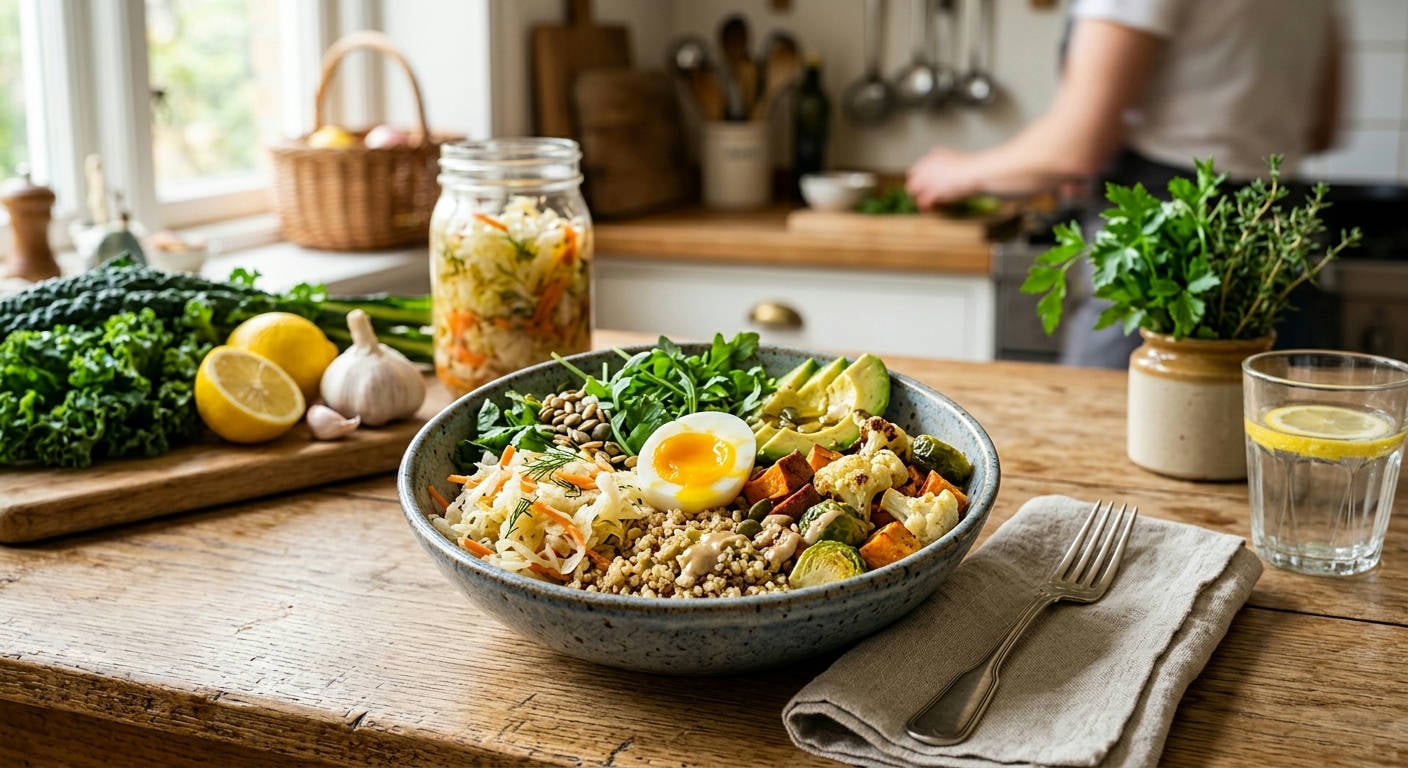
In 2026, the scientific understanding of the human microbiome has reached unprecedented levels of precision. We now know that gut health is the cornerstone of systemic wellness, influencing everything from metabolic speed to cognitive clarity. At Healthy Gut Review, we have spent years analyzing how specific nutritional interventions—specifically gut healthy recipes—can transform your internal ecosystem.
Achieving a thriving microbiome is not about restrictive dieting or deprivation. Instead, it is about flooding your system with the specific substrates, fibers, and fermented elements that beneficial bacteria crave. By integrating evidence-based, nutrient-dense recipes into your daily routine, you are not just eating; you are actively modulating your biological landscape to promote longevity and vitality.
The Foundation of a Microbiome-Friendly Kitchen
Understanding why certain ingredients qualify as "gut healthy" is the first step toward reclaiming your digestive comfort. In 2026, the research focus has shifted from mere calorie counting toward nutrient density and prebiotic diversity.
Prioritizing Prebiotic Fibers
Prebiotics are the non-digestible food ingredients that stimulate the growth of beneficial microorganisms in the colon. Think of them as the "fuel" for your probiotic army.
Without sufficient fiber, your gut bacteria may begin to consume the protective mucus lining of your intestinal tract. This can lead to inflammation and compromised barrier function. To combat this, your pantry should be stocked with diverse sources of inulin, pectin, and resistant starch.
The Role of Fermentation
Fermented foods have been a staple of human nutrition for millennia, but modern science has finally quantified their impact. Eating fermented foods is associated with increased microbiota diversity and reduced markers of systemic inflammation.
Whether it is house-made sauerkraut, authentic kimchi, or water kefir, these foods introduce transient beneficial microbes into your digestive tract. Integrating these into your meals is perhaps the most efficient way to improve your baseline gut health.
"The microbial landscape of the human gut acts as a secondary immune system, constantly communicating with the brain and endocrine organs to maintain homeostasis. Nutrition is the primary language of this communication." — Dr. Sarah Jenkins, Microbiome Research Specialist (2026)
Breakfast: Jumpstarting Your Metabolic Engine
The morning meal sets the tone for your digestive rhythm for the entire day. Avoiding processed sugars and heavy, inflammatory oils is critical in the early hours.
Overnight Probiotic Oats with Berry Compote
Start with gluten-free rolled oats, which contain beta-glucans. Combine these with kefir or a high-quality coconut yogurt.
To maximize the gut benefits, add a tablespoon of ground flaxseeds or chia seeds. These provide both soluble and insoluble fiber, which act as a broom for the digestive tract. Top with a wild blueberry compote; the anthocyanins found in blueberries are known to feed Akkermansia muciniphila, a crucial bacterium for metabolic health.
Savory Miso and Avocado Scramble
Miso is a powerhouse of fermented soy, rich in enzymes that aid digestion. Whisk a teaspoon of light miso into your eggs before scrambling.
Serve this over a base of wilted spinach or sautéed kale. The combination of fermented soy and high-fiber greens creates a perfect symbiotic environment for your gut flora.
Lunch: Maximizing Diversity and Anti-Inflammatory Potential
Lunch should be designed to keep your blood sugar stable while providing a wide array of phytonutrients. Research from the National Institutes of Health suggests that high-fiber diets are the most effective strategy for managing chronic digestive discomfort.
The Rainbow Bowl with Tempeh
Use a base of cooked quinoa or amaranth, which are pseudo-cereals that are easier on the gut than wheat. Add slices of organic, fermented tempeh, which provides a dense source of plant-based protein and probiotics.
Include at least four different colors of vegetables: shredded carrots, purple cabbage, diced cucumbers, and radish. Each color represents a different class of polyphenol, which helps diversify your internal microbial population.
Bone Broth-Based Miso Soup
For a lighter lunch, utilize a rich bone broth base. Bone broth is naturally rich in glutamine, an amino acid that helps repair the intestinal lining.
If you suspect you are dealing with permeability issues, you might find our guide on the best supplements for leaky gut to be an essential resource. Stir in fresh ginger and scallions to provide natural anti-inflammatory support while the broth warms the stomach.
Dinner: Calming the Gut for Overnight Repair
Dinner should focus on easy-to-digest proteins and cooked vegetables to ensure your body isn't working overtime during your sleep cycle.
Steamed Wild-Caught Salmon with Ginger Glaze
Salmon provides essential Omega-3 fatty acids, which have been shown to modulate gut-brain signaling pathways. Steam your fish alongside bok choy, which is highly digestible compared to raw cruciferous vegetables.

The glaze should be simple: fresh grated ginger, coconut aminos, and a squeeze of lime. Ginger acts as a prokinetic, meaning it helps move food through the digestive tract, preventing the stagnation that leads to bloating and discomfort.
Roasted Root Vegetable Medley with Turmeric
Root vegetables like parsnips, carrots, and sweet potatoes contain high levels of prebiotic starch. Roasting them makes the fiber easier to break down for individuals with sensitive digestion.
Sprinkle with turmeric and black pepper. The piperine in black pepper significantly increases the bioavailability of curcumin, the active compound in turmeric, which is highly effective at reducing intestinal inflammation.
The Role of Targeted Supplementation
While whole foods form the foundation of gut health, sometimes the gut needs extra support to overcome years of modern dietary stress. Many individuals in 2026 struggle with systemic imbalances that require more than just diet alone.
When to Consider Enzymes
Sometimes, despite your best efforts, you may still experience bloating after a meal. This often points to an insufficiency in digestive enzymes.
If you find that high-fiber meals leave you feeling heavy or lethargic, it may be time to look into the best digestive enzyme supplements to help break down macronutrients more efficiently.
Rebalancing with Probiotics
Not all probiotic strains are created equal. When selecting a supplement, look for multi-strain formulations that have clinical backing.
For many women, hormonal shifts can drastically alter the gut environment, making targeted supplementation even more necessary. You can review the best probiotics for women to ensure you are choosing strains that support both digestive and reproductive balance.
"True gut health is not achieved through a single magic bullet. It is the cumulative effect of consistent, nourishing choices and the strategic use of high-quality tools to correct imbalances." — The Healthy Gut Review Editorial Board (2026)
Common Myths Regarding "Healthy" Diets
The wellness industry is full of misinformation. It is vital to separate fact from fiction when building your gut health repertoire.
- Myth: Raw is always better. While raw foods contain enzymes, they can be incredibly difficult to digest for people with IBS or SIBO. Cooking breaks down tough cell walls, making nutrients more accessible to the body and less likely to cause gas.
- Myth: All fiber is good for everyone. If you suffer from SIBO (Small Intestinal Bacterial Overgrowth), excessive high-fiber, high-FODMAP foods can actually exacerbate symptoms. Always listen to your body’s specific feedback.
- Myth: "Zero-carb" is the key to a lean gut. Your colon needs fiber to produce butyrate, a short-chain fatty acid that is essential for colon health. Eliminating all carbohydrates can starve your beneficial bacteria.
Implementing a Long-Term Strategy
Building a gut-healthy lifestyle requires a transition period. Do not attempt to change your entire diet overnight. Instead, focus on adding one "gut healthy recipe" per day.
Monitor your symptoms, such as bloating, energy levels, and stool quality, over a two-week period. By keeping a food journal, you can identify which specific ingredients trigger you and which ones provide a sense of lightness and vitality.
For further reading on how the human digestive system functions, the Harvard T.H. Chan School of Public Health provides extensive resources on the microbiome.
Frequently Asked Questions
1. How long does it take to see results from gut healthy recipes?
Most people report a reduction in bloating and improved regularity within 7 to 14 days of adopting a gut-focused diet. However, significant shifts in the microbiome composition typically take 4 to 8 weeks.
2. Can I still eat dessert?
Yes, but prioritize gut-friendly options. Dark chocolate with at least 70% cacao is rich in polyphenols that act as prebiotics. Alternatively, try a small bowl of berries with a dollop of coconut yogurt.
3. Are nightshades bad for my gut?
For the general population, nightshades are perfectly healthy. However, if you suffer from an autoimmune condition or specific sensitivities, you may choose to follow an elimination protocol to see if your digestion improves without them.
4. Is cold water bad for digestion?
In traditional medicine, cold water is thought to "extinguish" digestive fire. While modern science is more focused on the composition of your food, many people with sensitive stomachs report feeling more comfortable drinking room-temperature water with their meals.
5. Why do I feel bloated even when I eat healthy foods?
You may be consuming foods that are high in FODMAPs, which ferment in the gut and cause gas. If you are struggling with chronic bloating, focus on easy-to-digest, cooked, whole-food recipes first.
Conclusion
Your journey toward optimal health is inextricably linked to the health of your gut. By choosing gut healthy recipes that emphasize prebiotic fiber, fermented components, and nutrient-dense, whole foods, you are empowering your body to heal from the inside out.
At Healthy Gut Review, we remain committed to providing you with the most current, science-backed information for 2026 and beyond. Take control of your microbiome today by starting with one small, intentional change to your next meal. Your gut, and your overall vitality, will thank you.
