
That tight, swollen feeling of abdominal bloating is more than just a passing inconvenience; it's a clear signal from your digestive system that something is off-balance. It can turn a great meal into a source of regret and disrupt your entire day. While the causes are varied, ranging from diet and stress to more complex digestive issues, finding consistent relief is a common goal for many, including men, pregnant women, and even parents concerned for their children's comfort.
This guide cuts through the noise of generic advice. We're providing a detailed, evidence-backed list of powerful natural remedies for bloating that go beyond temporary fixes to support long-term gut health. You will discover how specific herbs, foods, supplements, and simple lifestyle adjustments can work together to restore digestive comfort. We'll examine seven top-rated Amazon products, breaking down their pros, cons, and real-world user reviews to help you make informed choices. This article will provide actionable steps and practical tips for incorporating these solutions into your daily routine. Forget the frustration and get ready to understand your body better, as we explore effective strategies to reclaim a happy, calm gut.
1. Traditional Medicinals Organic Ginger Tea
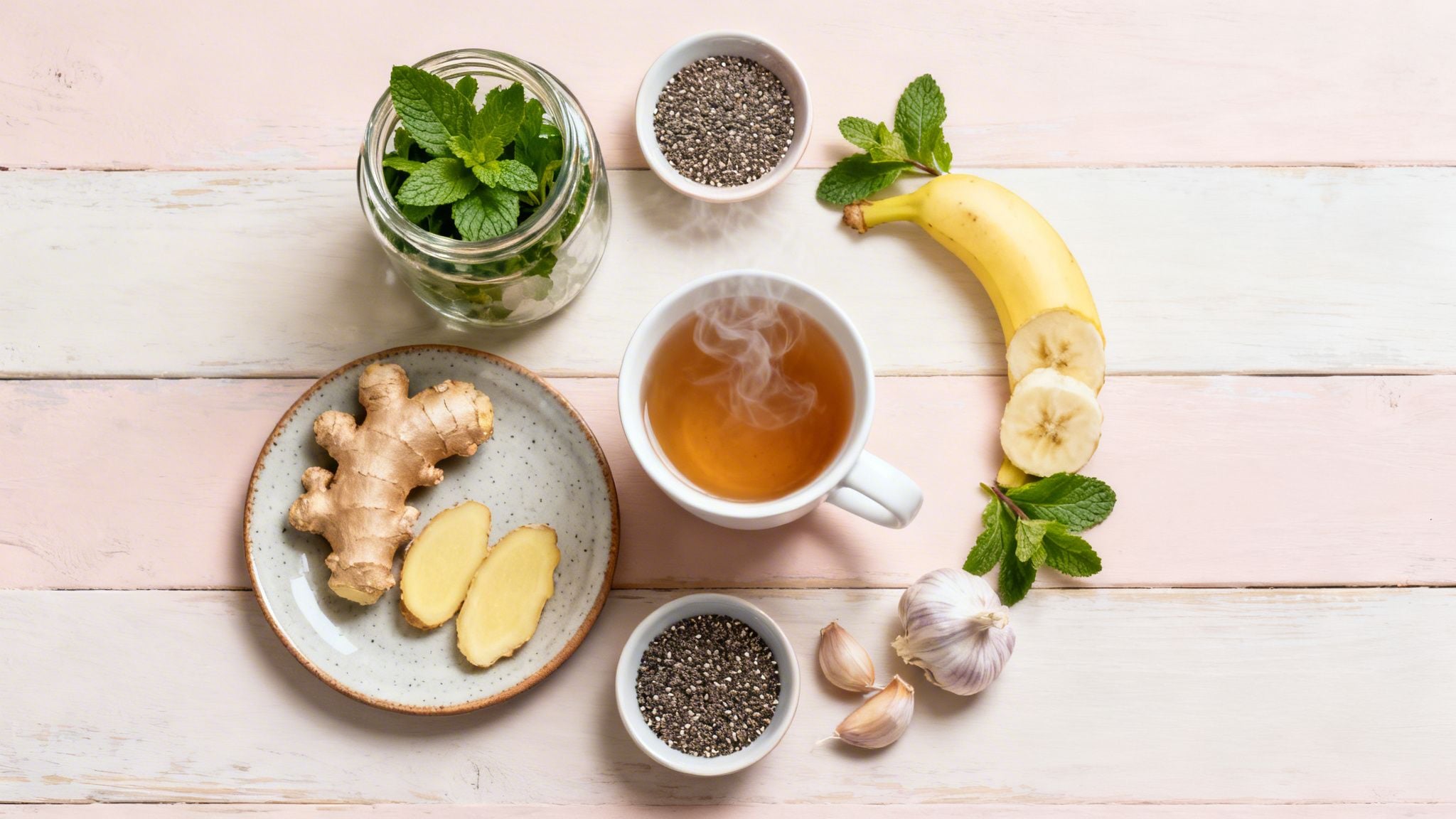
Ginger (Zingiber officinale) is more than just a kitchen spice; it's a powerful rhizome with a long history in traditional medicine as a digestive aid. Its effectiveness as one of the top natural remedies for bloating comes from its unique active compounds, mainly gingerols. These compounds work by stimulating motility in the digestive tract, which helps move food and gas through your system more efficiently.
Amazon User Review:
"I started drinking a small cup of ginger tea before dinner every night, and the difference in my evening bloating has been remarkable. It's a simple, calming ritual that works."
Pros & Cons
Pros:
- Convenient and Consistent: Tea bags provide a consistent dose and are easy to prepare.
- Fast-Acting: Warm tea can soothe the stomach and promote motility quickly.
- Anti-Inflammatory: Gingerols have natural anti-inflammatory properties that calm an irritated gut.
Cons:
- Spicy Flavor: The spicy taste of ginger can be too strong for some individuals.
- Lower Potency than Capsules: May be less effective for severe bloating compared to concentrated supplements.
Exploring a list of natural ingredients for digestive issues can provide further insight into how different herbs and spices support gut health. For pregnant women, ginger is often recommended for nausea, but it's crucial to consult a healthcare provider before use.
2. Anthony's Organic Fennel Seeds
Fennel seeds (Foeniculum vulgare) are a staple in traditional medicine, prized for their carminative benefits. These aromatic seeds are a potent natural remedy for bloating due to their high concentration of anethole, an essential oil that helps reduce gas formation and relaxes digestive muscles, allowing trapped gas to pass easily.
Amazon User Review:
"I keep a small tin of these fennel seeds in my purse. Chewing a small pinch after eating out has completely changed my evenings. It works faster than anything else I've tried for that immediate post-meal bloat."
Pros & Cons
Pros:
- Immediate Relief: Chewing the seeds provides very fast-acting relief from gas and bloating.
- Natural and Simple: A single-ingredient remedy with no additives.
- Versatile Use: Can be chewed raw, brewed as tea, or used in cooking.
Cons:
- Licorice-Like Flavor: The distinct anise-like taste is not universally liked.
- Requires Chewing: Not as discreet as taking a capsule or drinking tea for some.
Fennel's long-standing reputation is backed by its use in commercial digestive products, including gripe water for babies, which speaks to its gentle yet effective nature. As one of the most accessible natural remedies for bloating, it's an excellent choice for immediate, on-the-go relief.
3. Heather's Tummy Tamers Peppermint Oil Capsules
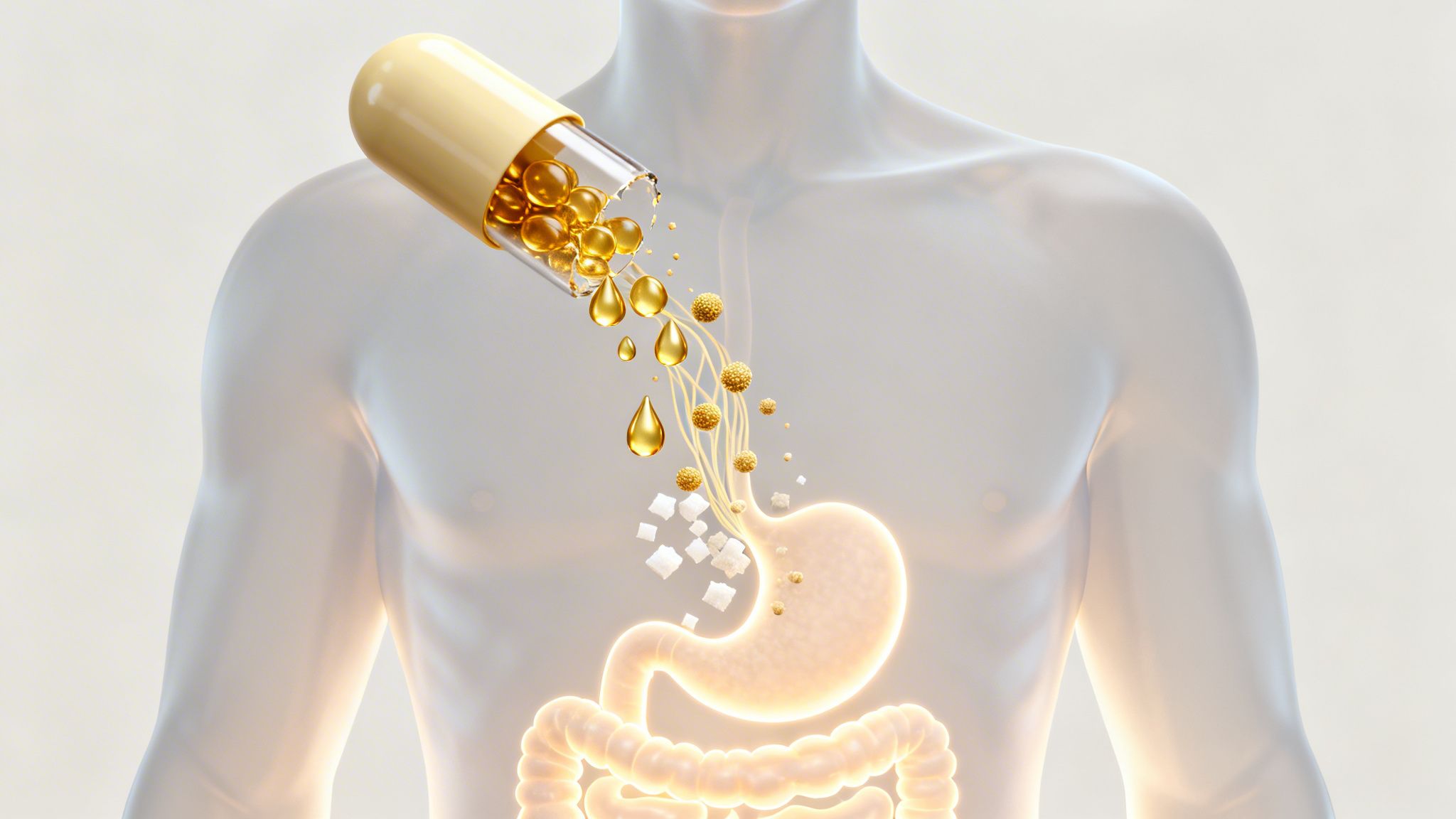
Peppermint (Mentha piperita) is celebrated for its significant medicinal properties, especially as a digestive aid. Its role as one of the best natural remedies for bloating is primarily attributed to its active compound, menthol. This compound has powerful antispasmodic effects, relaxing the intestinal muscles to alleviate cramps and trapped gas. Heather's Tummy Tamers are enteric-coated, ensuring the oil is delivered directly to the intestines for maximum effect.
Amazon User Review:
"I have IBS and suffer from terrible bloating and gas. My gastroenterologist recommended enteric-coated peppermint oil, and it has been life-changing. The cramping and swelling have reduced dramatically."
Pros & Cons
Pros:
- Targeted Relief: Enteric coating delivers peppermint oil directly to the small intestine, bypassing the stomach to prevent heartburn.
- Clinically Studied: Peppermint oil is one of the most studied remedies for IBS symptoms, including bloating.
- Potent Formula: A concentrated dose for more significant, stubborn bloating and spasms.
Cons:
- Not for GERD: Can relax the lower esophageal sphincter, potentially worsening acid reflux for susceptible individuals.
- Cost: More expensive than brewing peppermint tea.
Peppermint's efficacy is supported by numerous clinical studies, making it a trusted recommendation by integrative medicine experts.
4. Bragg Organic Apple Cider Vinegar
Apple cider vinegar (ACV) has transitioned from a folk remedy staple to a mainstream wellness tool. This fermented vinegar contains acetic acid and beneficial bacteria from "the mother," a cloudy culture key to its role as a powerful natural remedy for bloating. ACV combats bloating by supporting stomach acid production, which improves the breakdown of proteins and fats and reduces the undigested food that ferments in the colon.
Amazon User Review:
"I was skeptical, but started taking a tablespoon of ACV in water before my biggest meal of the day. My post-meal bloating has significantly decreased. It’s a bit of an acquired taste, but the results are worth it."
Pros & Cons
Pros:
- Improves Digestion: Helps stimulate stomach acid and enzymes for better food breakdown.
- Inexpensive and Multi-Purpose: An affordable remedy that can also be used in cooking.
- Contains Probiotics: The "mother" provides a source of beneficial bacteria.
Cons:
- Acidity Concerns: Must be diluted to protect tooth enamel and the esophagus.
- Acquired Taste: The strong, sour taste can be difficult for many people to tolerate.
ACV’s ability to improve digestive efficiency makes it a go-to for many, especially before heavy meals that might otherwise cause sluggishness and gas.
5. Physician's CHOICE Probiotics 60 Billion CFU
Probiotics are live, beneficial microorganisms that restore balance to your gut microbiome. Physician's CHOICE Probiotics offer a high-potency blend of 10 diverse strains and prebiotics to address bloating at its root. By populating the gut with "good" bacteria, they reduce gas-producing pathogens, strengthen the intestinal barrier, and improve overall digestive function for long-term relief.
Amazon User Review:
"After a course of antibiotics, my digestion was a mess. Taking this probiotic helped me feel normal again within two weeks. The constant bloating is finally gone."
Pros & Cons
Pros:
- Addresses Root Cause: Works to rebalance the entire gut microbiome for long-term health.
- High Potency & Diversity: Contains 60 billion CFUs and 10 strains for comprehensive support.
- Includes Prebiotics: The added prebiotic fiber helps fuel the beneficial bacteria.
Cons:
- Delayed Results: It can take 2-4 weeks of consistent use to notice significant benefits.
- Initial Adjustment Period: Some users may experience a temporary increase in gas as their microbiome adjusts.
Understanding which probiotic strains are most effective is key. A deep dive into the best probiotic supplements for digestion can help you select a product with clinically validated strains.
6. ZENITH NUTRITION Digestive Enzymes
Digestive enzymes are proteins your body produces to break down food. When production falters, undigested food ferments in the colon, causing gas and bloating. ZENITH NUTRITION offers a broad-spectrum supplement with enzymes like Amylase, Protease, and Lipase to break down carbs, proteins, and fats. This ensures food is properly broken down before reaching the large intestine, preventing the gas buildup that leads to bloating.
Amazon User Review:
"I'm in my 50s and started noticing bloating after almost every meal. Taking one of these before dinner has completely changed my evenings. I no longer feel heavy and gassy."
Pros & Cons
Pros:
- Immediate Meal Support: Works quickly to aid the digestion of a specific meal.
- Comprehensive Formula: A multi-enzyme blend helps break down all major food groups.
- Targets the Problem Directly: Provides a direct solution for enzyme deficiency or sluggish digestion.
Cons:
- Symptom Management: Helps with symptoms but doesn't address the root cause of why enzyme production might be low.
- Timing is Crucial: Must be taken just before a meal to be effective.
Digestive enzymes are a powerful tool, particularly for those with age-related digestive decline or anyone struggling with specific food types. Understanding what makes for the best digestive aid can help you select a product that fits your unique needs.
7. Organic India Psyllium Husk
Soluble fiber is a fundamental component of a gut-healthy diet. Organic India's Psyllium Husk is a pure, organic soluble fiber that dissolves in water to form a gel. This gel softens stool, making it easier to pass and directly addressing constipation-related bloating. It also acts as a powerful prebiotic, feeding beneficial gut bacteria to promote a balanced microbiome and long-term digestive wellness.
Amazon User Review:
"I was struggling with IBS-related bloating for years. My dietitian suggested starting with a teaspoon of psyllium husk in water every morning. It took about two weeks to adjust, but my bowel movements are now regular, and the painful bloating has almost completely disappeared."
Pros & Cons
Pros:
- Promotes Regularity: Highly effective at relieving constipation, a major cause of bloating.
- Prebiotic Benefits: Feeds beneficial gut bacteria, supporting long-term microbiome health.
- Natural and Pure: A simple, single-ingredient remedy for improving gut function.
Cons:
- Requires High Water Intake: Must be taken with plenty of water to avoid making constipation worse.
- Gradual Introduction Needed: Starting with too much can temporarily increase gas and bloating.
For those with digestive conditions like IBS, soluble fiber is often recommended to help normalize bowel function. As with any supplement, it’s wise to consult with a healthcare provider.
And the Winning Product Is…
While each of these natural remedies for bloating offers unique benefits, the winning product for its comprehensive, long-term impact on gut health is the Physician's CHOICE Probiotics 60 Billion CFU.
Unlike remedies that only offer temporary, symptomatic relief, probiotics work at the foundational level to rebalance the entire gut microbiome. An imbalanced gut is often the root cause of chronic bloating, gas, and digestive distress. By introducing a high-potency, diverse blend of beneficial bacteria, this supplement addresses the problem at its source.
While peppermint oil provides fast relief from spasms and digestive enzymes are excellent for meal-specific support, probiotics create a resilient gut environment that is less prone to bloating in the first place. This proactive, root-cause approach offers the most sustainable path to lasting digestive comfort, making it the top choice for anyone serious about conquering bloating for good.
Frequently Asked Questions (FAQs)
Q: How long does it take for these natural remedies to work?
A: It varies. Remedies like fennel seeds and peppermint tea can provide relief in as little as 15-30 minutes. Probiotics and soluble fiber work on a foundational level, so it may take 2-4 weeks of consistent use to see significant, lasting improvement.
Q: Can I combine these remedies?
A: Yes, many of these remedies work well together. For example, you could take a daily probiotic for long-term health, drink ginger tea after a meal for acute relief, and use digestive enzymes before a particularly heavy meal.
Q: Are these remedies safe during pregnancy?
A: Some, like ginger tea, are often recommended for pregnancy-related nausea. However, it is crucial to consult with your healthcare provider before starting any new supplement or remedy during pregnancy, including peppermint oil capsules and high-dose probiotics.
Q: What's the difference between a probiotic and a prebiotic?
A: Probiotics are the "good" live bacteria that benefit your gut. Prebiotics (like psyllium husk and the fiber included in the Physician's CHOICE supplement) are the non-digestible fibers that act as food for those good bacteria, helping them thrive.
Feeling overwhelmed by the sheer number of probiotic options on the market? Healthy Gut Review does the hard work for you, providing in-depth, unbiased reviews and comparisons of the top supplements. Find the perfect probiotic for your specific needs by visiting Healthy Gut Review and take the guesswork out of improving your gut health.