


If you're breastfeeding, you're likely scrutinizing everything you put into your body. So, let's get straight to the point: Yes, probiotics are widely considered safe probiotics while breastfeeding. These beneficial bacteria work almost exclusively within your own digestive system and aren't absorbed into the bloodstream in any significant way, which means the risk to your baby is extremely low.
Why Probiotics Are a Smart Choice During Lactation

The postpartum period is a juggling act. You’re recovering from birth, navigating the demands of a newborn, and establishing your milk supply. Thinking of a probiotic as a tool to support your "internal ecosystem" can be incredibly helpful for both your own recovery and your baby's start in life.
The main reason probiotics are so safe is that they don’t behave like drugs. Instead of circulating throughout your body, these living microorganisms set up camp in your gut. Their work is mostly local—improving your digestion, strengthening the intestinal lining, and supporting your immune system. Because so little of the actual bacteria ever makes it into your breast milk, the potential for any effect on your baby is minimal.
Turning a Supplement Into a Strategic Tool
Choosing the right probiotic is about more than just finding a safe one; it’s about strategically picking strains that offer real benefits for both you and your infant. The idea is simple yet powerful: a healthier gut for you helps lay a healthy foundation for your baby.
"A mother's gut microbiome is the first 'seed' for her baby's. By introducing beneficial bacteria, you're not just supporting your own health; you're actively shaping the foundation of your child's immunity and digestive wellness." – Dr. Alena Scai, Microbiome Researcher
The microbes in your gut can actually influence the composition of your breast milk. This amazing process means your milk can deliver beneficial compounds that help populate your baby's own brand-new digestive tract, giving them a head start on building a strong, resilient microbiome.
By adding a targeted probiotic to your routine, you can be proactive about your family's health. The evidence points toward some compelling reasons to consider it:
- Support for Postpartum Recovery: Probiotics can help regulate your own digestion and support immune function at a time when your body is under immense stress.
- A Head Start for Your Baby: You can help your infant establish a balanced gut microbiome, which is closely linked to strong long-term health.
- Reduced Risk of Common Issues: Research has shown certain probiotic strains may help reduce the duration of infant colic and even lower your own risk of developing mastitis.
This guide will walk you through the evidence so you can confidently select safe probiotics while breastfeeding and turn a simple supplement into a powerful tool for your family’s well-being.
How Probiotics Benefit You and Your Baby

When you take a probiotic while nursing, you’re doing more than just supporting your own gut. You're actually curating the microbial environment of your breast milk, enriching it with beneficial bacteria and other compounds that pass directly to your baby.
Think of it like tending to a new garden. By introducing these friendly microbes through your milk, you are "seeding" your baby's brand-new gut with the foundational organisms it needs. This early support helps build a diverse and resilient digestive system right from the start.
Benefits for Your Baby’s Developing System
So, what does this mean for your little one? The benefits are pretty incredible and backed by solid research. A healthy infant gut is mission control for training their immune system and keeping their digestion running smoothly.
- Reduced Risk of Colic: Specific probiotic strains passed through breast milk have been shown to soothe infant tummy troubles and dramatically cut down on those long, fussy colic episodes.
- Lower Allergy and Eczema Risk: When a baby's gut is colonized by the right bacteria early on, it helps their immune system learn to respond appropriately, potentially lowering the risk of developing eczema and certain allergies.
- Promotes Healthy Weight Gain: A balanced gut environment allows your baby to absorb all the wonderful nutrients from your milk more efficiently, which is key for supporting healthy, steady growth.
A major 2023 meta-analysis really drove these points home. Researchers found that when mothers took probiotics, the amount of beneficial bacteria in their breast milk increased by 24% while harmful bacteria decreased. This shift had a direct impact on babies, reducing the risk of colic by a stunning 70% and helping to regulate weight. This is why strains like Lactobacillus and Bifidobacterium are so often recommended for breastfeeding moms. You can dive into the research yourself and read the full study on probiotic effects during lactation.
"A healthy gut is your baby’s first line of defense. By taking a safe probiotic while breastfeeding, you are actively building that defense system with every feeding, laying the groundwork for a lifetime of wellness." – Dr. Evelyn Reed, Pediatric Nutritionist
How Probiotics Support You Postpartum
But it's not just about the baby. The postpartum period is incredibly demanding on your own body, and a high-quality probiotic can be a fantastic tool for your recovery and well-being.
- Aids Postpartum Recovery: Your body is in full-on healing mode. A balanced gut supports your immune system right when you need it most and helps you absorb more nutrients from your food to fuel that recovery.
- Improves Digestive Regularity: Let's be honest, postpartum digestive weirdness is a real thing. Probiotics can help get things back on track, promoting comfortable and predictable bowel movements.
- Boosts Your Immune Function: Since roughly 70% of your immune system resides in your gut, keeping your microbiome happy is one of the best ways to stay healthy while you’re busy caring for a newborn.
- Supports Postpartum Mood: New research is continually highlighting the powerful connection between the gut and the brain. Supporting this "gut-brain axis" with probiotics may help you better navigate the emotional rollercoaster that can come with the postpartum phase.
Seeing these benefits for both you and your baby makes it clear how a simple daily habit can become such a powerful wellness strategy. You’re not only supporting your own health but also giving your infant an incredible head start.
The 7 Best Breastfeeding Safe Probiotics of 2026
When you're breastfeeding, every single thing you put into your body is a decision you make for two. Trying to sort through the crowded supplement aisle can feel like a full-time job, but finding a great probiotic that's safe for both you and your baby doesn't have to be so complicated.
We’ve done the heavy lifting for you, digging into the top products you can find on Amazon. Our focus was on what truly matters: clinically studied strains with a track record of safety, squeaky-clean ingredients, and positive feedback from other nursing moms.
This guide breaks down the best options out there, highlighting their unique strengths and any potential downsides, so you can feel confident choosing the right fit for your health goals.
1. Garden of Life Dr. Formulated Probiotics for Women
Garden of Life has earned its reputation as a go-to for high-quality supplements, and its Dr. Formulated line is a favorite among postpartum moms for good reason. This formula packs a serious punch with a high CFU count and a diverse mix of strains, including the well-researched duo of Lactobacillus rhamnosus and Lactobacillus reuteri, known to benefit both digestive and vaginal health.
They also add an organic prebiotic fiber blend, which acts as food for the good bacteria and makes the whole supplement more effective. A huge plus for busy new moms is that it's shelf-stable—no need to make room in an already-packed fridge.
One user on Amazon shared, "I started taking these postpartum and noticed a huge difference in my digestion within a week. My baby also seemed less gassy, which was a lifesaver. Knowing the strains are backed by science gives me peace of mind."
Pros:
- High Potency: A powerful blend of 50 Billion CFUs and 16 different probiotic strains.
- Targeted Strains: Contains L. reuteri and L. rhamnosus, both studied for their benefits during lactation.
- Added Prebiotics: An organic fiber blend helps the probiotics thrive.
- Shelf-Stable: A specially designed bottle keeps the probiotics effective without refrigeration.
Cons:
- Pill Size: Some moms find the capsules a bit on the large side.
- Higher Price Point: It costs a bit more than other options.
2. Culturelle Women's Healthy Balance
The Culturelle brand is built around a single superstar strain: Lactobacillus rhamnosus GG (LGG). This is one of the most clinically studied probiotics on the planet, with tons of research confirming its safety and effectiveness for both mothers and their babies. For breastfeeding moms, LGG is especially helpful for supporting the immune system and has even been linked to a lower risk of eczema in infants.
The Women's Healthy Balance formula combines this workhorse strain with four others chosen to support feminine health, making it an excellent all-around choice for the postpartum period. It’s a simple, reliable option from a brand you can trust.
Pros:
- Clinically Proven Strain: Features Lactobacillus rhamnosus GG, with a mountain of evidence supporting its use during breastfeeding.
- Feminine Health Support: The blend includes four other lactobacilli strains to help maintain vaginal and urinary health.
- Affordable and Accessible: A budget-friendly choice that you can find almost anywhere.
- Once-Daily Formula: Super easy to remember and add to your daily routine.
Cons:
- Lower CFU Count: At 15 Billion CFUs, it isn't as potent as some premium formulas.
- Fewer Strains: You don't get the broad diversity of a multi-strain blend.
3. Hyperbiotics PRO-Moms
Hyperbiotics PRO-Moms is one of the few probiotics out there made specifically with pregnant and breastfeeding women in mind, and that targeted approach is its greatest strength. The formula contains six well-researched strains, including Bifidobacterium infantis—a key player in building a healthy gut microbiome in newborns.
What really sets this product apart is its patented time-release delivery. The tiny pearls are engineered to bypass harsh stomach acid and release the probiotics slowly over an 8-10 hour period. The company claims this delivers 15 times more live bacteria to your intestinal tract compared to standard capsules.
A nursing mom reviewed the product on Amazon, stating, "I chose this because it was made for moms like me. The tiny pills are so easy to swallow, and I truly believe the time-release formula works. My baby has been less colicky since I started."
Pros:
- Targeted Formula: Designed from the ground up to meet the needs of prenatal, postnatal, and nursing mothers.
- Time-Release Technology: A patented delivery system helps more probiotics survive to do their job.
- Key Infant Strains: Includes Bifidobacterium infantis, a critical strain for your baby's developing gut.
- Easy to Swallow: The tiny "pearl" tablets are a welcome relief for anyone who struggles with large capsules.
Cons:
- Lower Initial CFU Count: The label says 5 Billion CFUs, but the brand argues its delivery system makes it more effective.
- Contains Milk: The probiotics are cultured using milk, so this isn't suitable for a true dairy allergy (it is lactose-free).
4. MaryRuth's Liquid Probiotic
For any mom who just can't stand swallowing another pill, MaryRuth's Liquid Probiotic is an absolute game-changer. This raw, plant-based probiotic comes in a liquid form, making it incredibly easy to take by itself or just add to a glass of water or a smoothie. It’s unflavored, so it won’t mess with the taste of your drink.
The probiotics are uniquely sourced from three types of organic grasses, creating a soil-based blend of strains. It's also vegan, non-GMO, and free of just about every common allergen, which makes it one of the cleanest and gentlest formulas you can find.
Pros:
- Liquid Formula: A fantastic alternative for those who have trouble with pills.
- Clean Ingredients: It's vegan, raw, non-GMO, and free from dairy, gluten, and soy.
- Unflavored and Versatile: You can mix it into any cool beverage without even noticing it's there.
- Shelf-Stable: No refrigeration required, even after you open the bottle.
Cons:
- Strain Specificity: The label doesn't list the exact strains or CFU count like traditional probiotics do.
- Subtle Taste: While unflavored, some people notice a subtle "earthy" taste.
5. Renew Life Women's Care Probiotic
Renew Life is a heavyweight in the world of digestive health, and their Women's Care Probiotic is a powerhouse option for breastfeeding moms who need serious support. Boasting 90 Billion CFUs and 12 different strains, this formula is built for robust gut and immune function. It has a high concentration of Lactobacilli for vaginal health and Bifidobacteria for colon support.
The capsules feature delayed-release technology to make sure the probiotics survive their journey to your gut. It does need to be refrigerated, but that's often a sign that you're getting a high-quality, potent product with live cultures.
"After a round of antibiotics for mastitis, my gut was a mess," a user commented on Amazon. "My lactation consultant recommended a high-CFU probiotic. This one got me back on track quickly. Worth making room for in the fridge."
Pros:
- Very High Potency: With 90 Billion CFUs, this is great for anyone needing major gut restoration.
- Diverse Strain Blend: Includes 12 different strains with a world-class mix of Lactobacilli and Bifidobacteria.
- Delayed-Release Capsules: Protects the delicate probiotics from stomach acid for maximum impact.
- Guaranteed Potency: The company guarantees the CFU count through the expiration date.
Cons:
- Requires Refrigeration: This makes it less convenient for travel.
- Potentially Too Strong for Some: The high CFU count might cause temporary gas or bloating as your system adjusts.
6. Pink Stork Postpartum Probiotic
Pink Stork is a woman-owned company dedicated to female wellness, from fertility all the way through postpartum. Their Postpartum Probiotic is thoughtfully designed with a new mom's unique needs in mind. It brings together seven probiotic strains, a prebiotic blend, and the brilliant addition of D-Mannose.
D-Mannose is a simple sugar that is widely recognized for its ability to support urinary tract health—a very common concern for women after childbirth. This clever, all-in-one approach to supporting gut, vaginal, and urinary health makes it an incredibly practical choice.
Pros:
- Tailored for Postpartum: Formulated specifically to address the health challenges many new moms face.
- Includes D-Mannose: The added support for urinary tract health is a huge advantage.
- Clean and Allergen-Free: Free of common irritants like gluten, soy, dairy, and GMOs.
- Woman-Owned Company: Many moms love supporting a brand that is run by women, for women.
Cons:
- Moderate CFU Count: At 10 Billion CFUs, it's a more moderate dose compared to some of the heavy-hitters.
- Serving Size: The serving size is two capsules, so a bottle only lasts one month.
7. Nordic Naturals Probiotic Woman
Nordic Naturals is a brand that has built its name on quality and purity. While famous for fish oil, they also make fantastic probiotics. Their Probiotic Woman formula is a simple but effective blend of Lactobacillus acidophilus DDS-1 and Bifidobacterium lactis, two incredibly stable and well-researched strains.
This product is a perfect choice for the minimalist who wants a no-fuss probiotic that just works. It's dairy-free, vegan, and doesn't need to be refrigerated. The formula also includes prebiotics to help the 16 Billion CFUs colonize the gut effectively.
Pros:
- High-Quality Strains: Uses the highly stable and well-researched DDS-1 strain, known for its powerful digestive benefits.
- Simple and Clean: A straightforward, two-strain formula that is vegan and free of the top allergens.
- Shelf-Stable: Very convenient for both storage and travel since it doesn't need a spot in the fridge.
- Trusted Brand: Nordic Naturals is well-known for its commitment to third-party testing and product purity.
Cons:
- Limited Strain Diversity: With just two strains, it may not provide the same broad-spectrum benefits as more complex blends.
- Price: As a premium brand, it's typically more expensive than other options with a similar CFU count.
The Winning Probiotic for Breastfeeding Moms
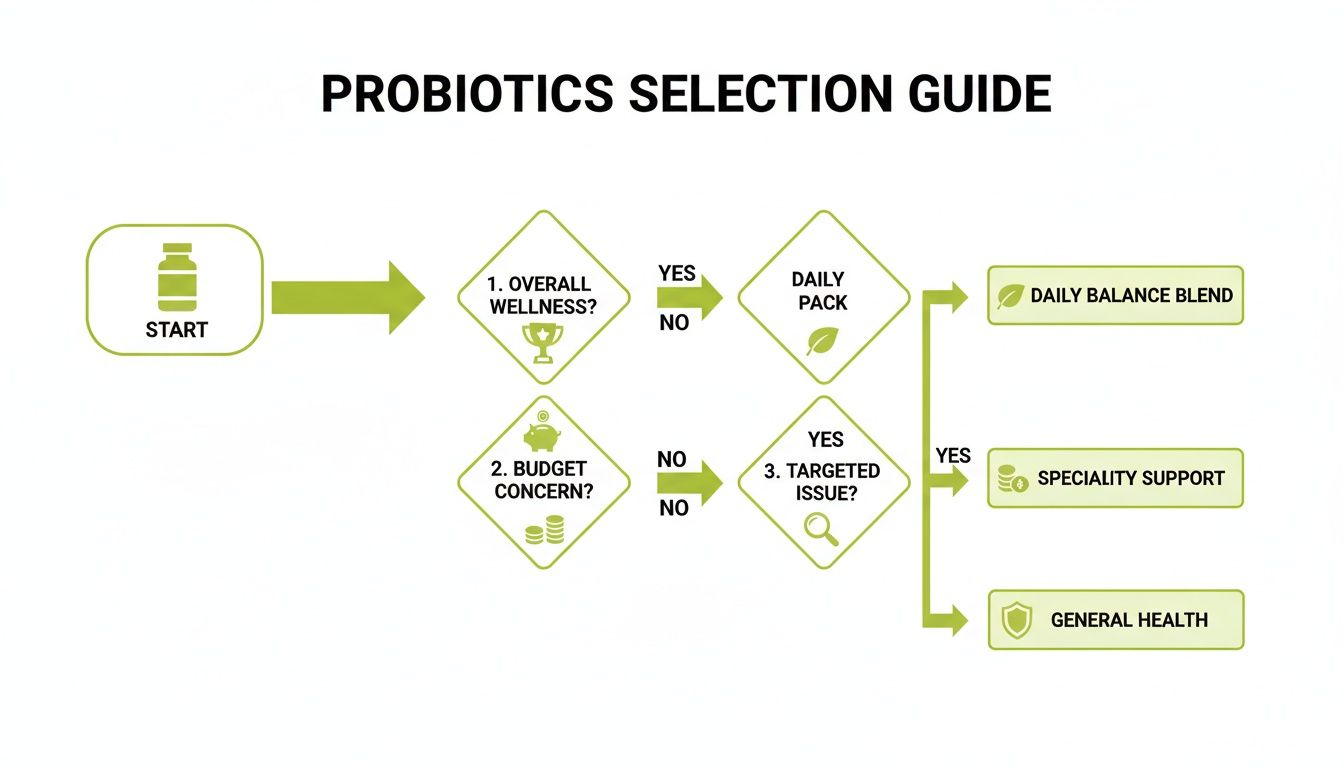
After carefully weighing all these excellent choices, Hyperbiotics PRO-Moms stands out as the winner. Its unique combination of a targeted formula, innovative time-release technology, and inclusion of the crucial Bifidobacterium infantis strain makes it perfectly suited for breastfeeding mothers. The small, easy-to-swallow pearls deliver a higher concentration of live bacteria where it matters most, giving you and your baby maximum benefit. While other products offer higher CFU counts or lower prices, the thoughtful, mom-centric design of PRO-Moms makes it the most strategic and effective choice on our list.
How to Choose the Right Probiotic for You
Walking down the supplement aisle can be dizzying. With labels shouting about CFUs, strains, and proprietary blends, picking the right probiotic feels like a pop quiz you didn't study for. Let's cut through that noise so you can read any probiotic label with confidence and find a product that's high-quality, effective, and safe for you and your baby while breastfeeding.
Think of a generic "probiotic blend" on a label as a mystery bag. You know something is in there, but you have no idea what. What you really want is a detailed list of the specific "players" on the team. Look for the full strain name, which includes the genus, species, and the specific strain designation—like Bifidobacterium infantis or Lactobacillus rhamnosus GG. These are the strains backed by solid research.
Decoding Strains and CFUs
When you're breastfeeding, some of these bacterial strains are true standouts. For example, research has connected strains like Lactobacillus fermentum and Lactobacillus salivarius to a lower risk of mastitis. Others, like Bifidobacterium infantis, are absolute game-changers for establishing your baby’s own gut microbiome through your breast milk.
The impact can be profound. In fact, fascinating new research found that when breastfed infants were given a targeted Bifidobacterium infantis probiotic, the level of antibiotic resistance genes in their gut plummeted by an incredible 87.5%. This isn't just a minor digestive tweak; it's a huge deal in the face of growing global concerns about antibiotic resistance. By choosing a probiotic with this specific strain, you're helping to build a protective foundation for your child’s future health. You can read more about this groundbreaking research on probiotics and antibiotic resistance.
After the strain name, you’ll see a number followed by "CFU," which stands for Colony Forming Units. This simply tells you how many live, active bacteria are packed into each dose.
It’s a common myth that more is always better. For general gut support while breastfeeding, a daily dose in the 10-20 billion CFU range is a great target. The key is having the right strains at an effective dose, not just a massive number of unverified ones.
Verifying Quality and Purity
The final piece of the puzzle is quality control. How do you know that what's listed on the label is actually inside the bottle? This is where independent, third-party certifications become your best friend. Keep an eye out for seals from these trusted organizations:
- NSF International: This seal confirms that the product contains exactly what the label claims and is free from harmful contaminants.
- USP (U.S. Pharmacopeia): A USP verification means the product has been tested for identity, purity, potency, and proper manufacturing.
- GMP (Good Manufacturing Practices): This shows the supplement was made in a facility that follows strict FDA quality standards from start to finish.
These seals aren't just marketing fluff; they are your proof of quality and safety. They show that an unbiased organization has put the product through its paces, giving you peace of mind. Armed with this information, you're ready to make a great choice. For more reading, you can also see our guide on the best probiotics for women's overall health.
Frequently Asked Questions (FAQs)
Even with all the promising research, it's completely normal to have questions. You're making decisions for two, after all! To help you feel confident, we've gathered the most common questions we hear from nursing moms and answered them with practical, evidence-based advice.
Could my probiotic cause gas or fussiness in my baby?
This is probably the number one concern we hear from new mothers. When you first introduce a new probiotic, it's possible for both you and your baby to experience a brief adjustment period as the new bacteria get settled. For most babies, any extra gas or fussiness is very mild and fades within a week as their system finds its new balance. This short transition is often a small price to pay for the long-term benefits of a healthier microbiome.
What’s the best time of day to take my probiotic?
Honestly, consistency is far more important than the exact time on the clock. That said, if you want to give your probiotic the best possible chance of survival, many experts suggest taking it on an empty stomach. Taking it about 30 minutes before a meal or right before you go to sleep helps the bacteria get past the harsh acid in your stomach and arrive safely in your intestines, where they do their work. Find a time that fits your routine and stick with it.
Can I just eat more yogurt instead of taking a supplement?
Adding yogurt, kefir, and other fermented foods to your diet is a fantastic move for your overall gut health. But when it comes to therapeutic benefits for you and your baby during lactation, they usually can’t take the place of a targeted supplement. A high-quality probiotic supplement delivers a guaranteed, concentrated dose of specific, well-researched strains proven to support lactation and infant health, like L. rhamnosus GG or B. infantis, that a single serving of yogurt just can't match.
How long should I take probiotics while nursing?
There isn't a magic end date. The benefits of probiotics continue for as long as you take them, so many lactation experts and doctors now recommend taking them throughout your entire breastfeeding journey. Doing so provides continuous support for your own digestion and immunity while constantly enriching your breast milk with beneficial compounds. It’s a safe, effective, long-term wellness strategy that supports both you and your growing baby.
Are all probiotics on Amazon safe for breastfeeding?
Not necessarily. While many are safe, it's crucial to check the specific strains and verify third-party testing for purity (look for NSF, USP, or GMP seals). Always choose products from reputable brands and, when in doubt, discuss your choice with your healthcare provider or a lactation consultant to ensure it's the right fit for you and your baby.